Translated with AI


































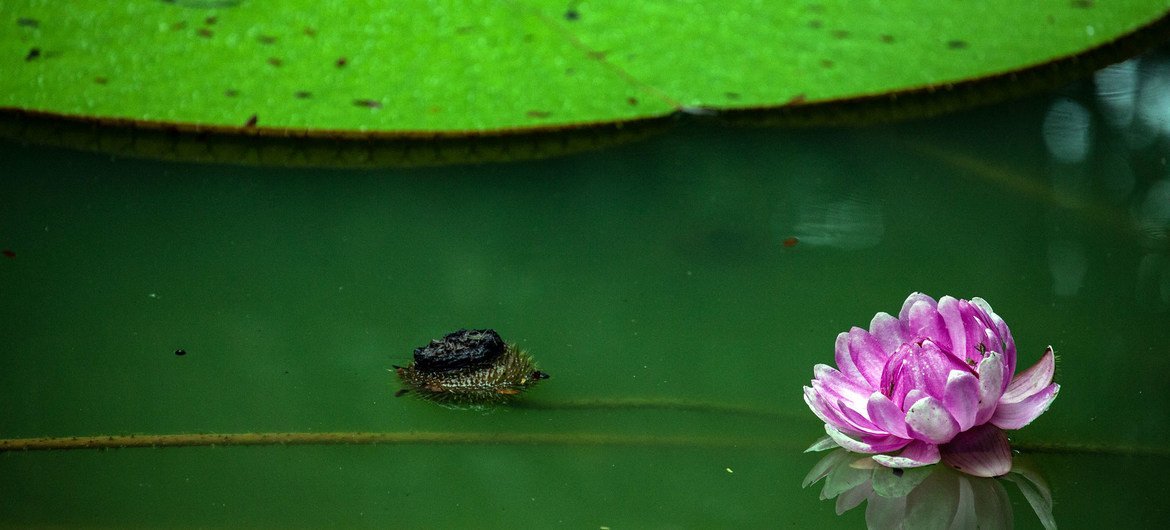
A UNESCO report published Tuesday highlights the exceptional contribution of the Organization's sites to both human well-being and environmental conservation. While global wildlife populations have declined by 73 percent since 1970, they remain relatively stable in UNESCO-protected areas. More than 1,000 languages are spoken in these lands, and about a quarter of the sites include the lands and territories of indigenous peoples, according to the UN press service.
The report "People and Nature in UNESCO Sites: Global and Local Contributions" is the first study to examine all categories of UNESCO sites (World Heritage Sites, Biosphere Reserves, and Global Geoparks) as a single network. It includes more than 2,260 sites, covering a total area of over 13 million square kilometers—an area larger than China and India combined.
"The conclusions are clear: UNESCO sites serve the interests of both people and nature," said UNESCO Director-General Khaled Al-Anani. "In these areas, communities thrive, human heritage is preserved, and biodiversity remains stable amid its rapid decline in other regions."
Nature under pressure According to the report, UNESCO sites are home to over 60 percent of known flora and fauna species, approximately 40 percent of which are found nowhere else on the planet. These zones store approximately 240 gigatons of carbon—an amount comparable to two decades' worth of global emissions if released. Each year, the forests of these sites account for approximately 15 percent of the carbon sequestered by forests worldwide.
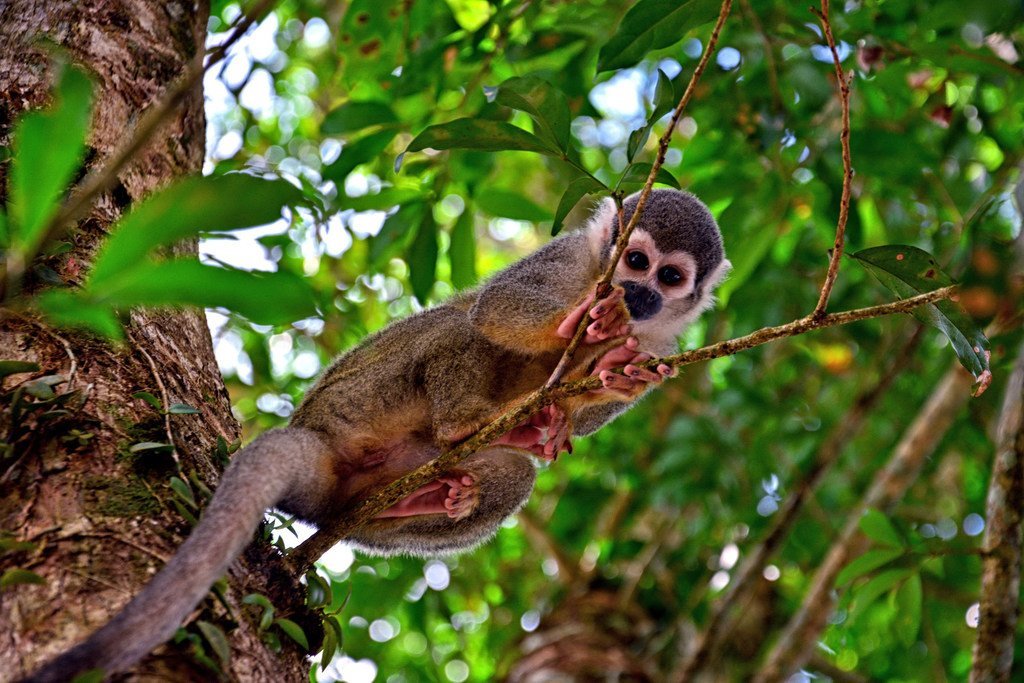
Despite the global significance of these sites, they are under increasing pressure. Nearly 90 percent of them are subject to high levels of environmental stress, and the frequency of hazardous climate events has increased by 40 percent in the last decade alone.
By 2050, over a quarter of UNESCO sites are at risk of reaching tipping points, leading to potentially irreversible consequences. Without decisive action, there is a risk of glacier disappearance, coral reefs collapsing, species displacement, growing water scarcity, and forests turning from carbon sinks into carbon sources.
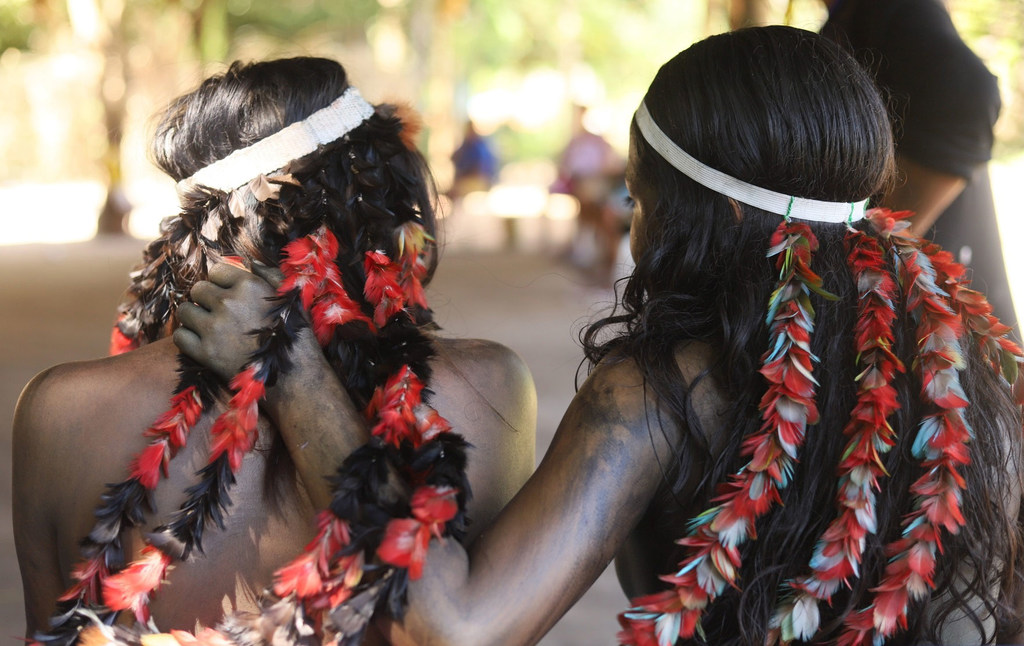
People and livelihoods The report also highlights the profound connection between nature and communities in these regions. Together, these sites are home to nearly 900 million people—approximately 10 percent of the global population. More than 1,000 languages are documented here, and at least 25 percent of these sites are indigenous lands and territories. In Africa, the Caribbean, and Latin America, this figure reaches almost 50 percent. Comparing the economic impact of UNESCO sites and their surrounding areas, the report's authors found that these zones generate approximately 10 percent of global GDP.
Unrealized potential According to the report, timely action can significantly reduce future risks: preventing each degree Celsius of warming could halve the number of UNESCO sites facing severe disruptions by the end of the century. These sites also offer untapped potential for shaping climate policy: while approximately 80 percent of national biodiversity plans include UNESCO sites, they are mentioned in only five percent of national climate plans.
The report's authors call for scaling up action in four priority areas: restoring ecosystems to strengthen their resilience, promoting sustainable development through greater transboundary cooperation, further integrating UNESCO sites into global climate plans, and more inclusive governance involving indigenous peoples and local communities.