Translated with AI

















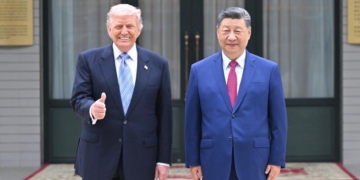






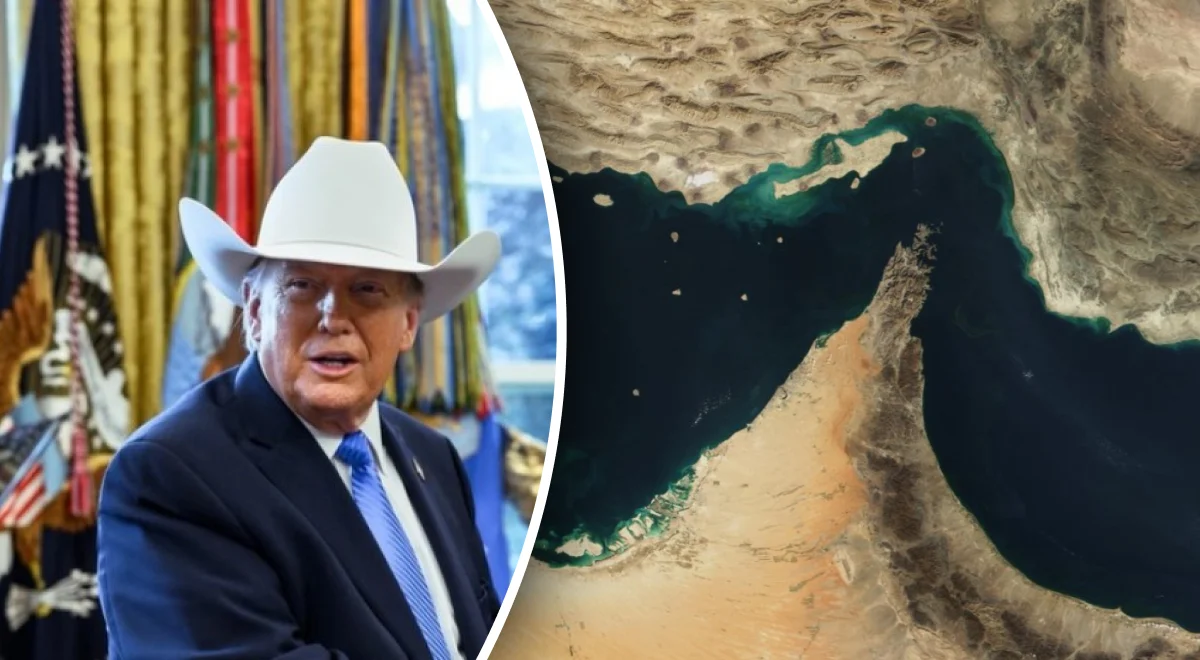
US President Donald Trump announced the unblocking of the Strait of Hormuz three days after announcing its blockade. He said the decision was made "for China and for the world."
He wrote about this on the social network TruthSocial, emphasizing that free passage through the strait would be ensured permanently. Trump noted that "China is very happy" with this decision, adding that the current situation "will never happen again."
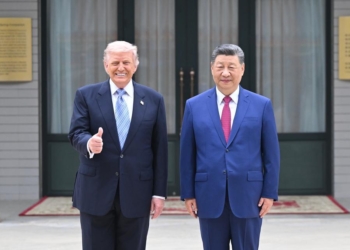
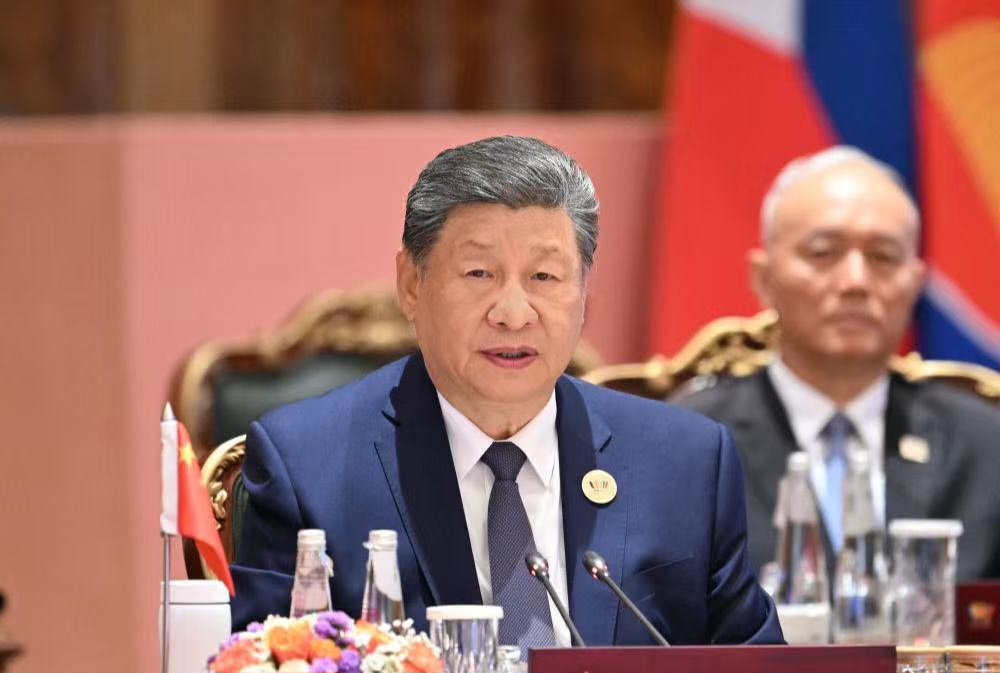
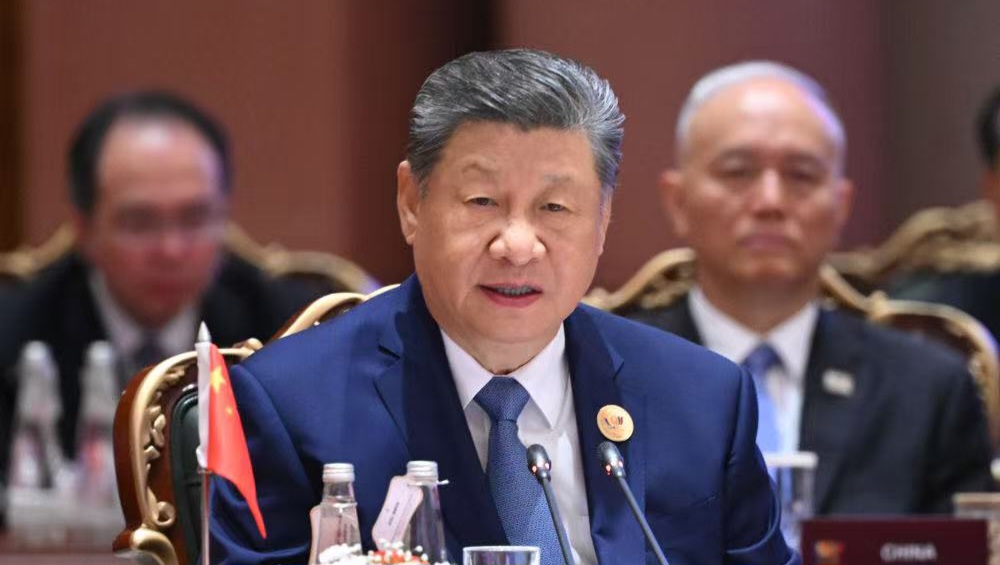
The American leader also stated that such a step was preferable to military conflict, but emphasized the United States' readiness to use force if necessary. He also spoke of his good relationship with Chinese President Xi Jinping, expressing confidence that he would be greeted with a "strong embrace" when they meet in Beijing.
Earlier, on April 12, Trump announced a blockade of the Strait of Hormuz following talks in Islamabad. He stated that the parties had reached agreement on most issues, but disagreements remained over the Iranian nuclear program.
As part of these measures, the US president instructed the Navy to clear mines from the strait and detain vessels in international waters if they pay duties to Iran. He also raised the possibility of escalation and stated that any actions against American or civilian vessels would be met with a harsh response.
Iran responded by declaring that it had no intention of making concessions and would continue its blockade. The Islamic Revolutionary Guard Corps Navy emphasized that any attempts by military vessels to transit the strait would be met with a "decisive response," and that only non-military vessels would be granted passage.
Amid the escalating situation in Europe, discussions are underway on the possibility of creating an international coalition to ensure free navigation. According to the Wall Street Journal, EU countries and the UK are considering a plan that could be implemented after the military conflict with Iran ends and involves sending minesweepers and other warships to the region.
Moreover, according to the publication, the coalition may operate without US participation, and European ships will not be subject to American command. An online summit on this issue, chaired by French President Emmanuel Macron and British Prime Minister Keir Starmer, is scheduled for April 17. Several dozen countries, including China and India, are expected to participate, but their participation has not yet been confirmed.
Meanwhile, according to the Iranian news agency Irna, if the “illegal naval blockade” continues, Tehran could completely block key sea routes.
Ali Abdullahi, commander of the Iranian Armed Forces' Central Headquarters (Khatem al-Anbiya), stated that any aggressive actions by the US at sea would be considered a violation of the ceasefire. He asserted that Iran intends to protect its national interests and will not allow the safety of its vessels to be threatened.