Translated with AI
































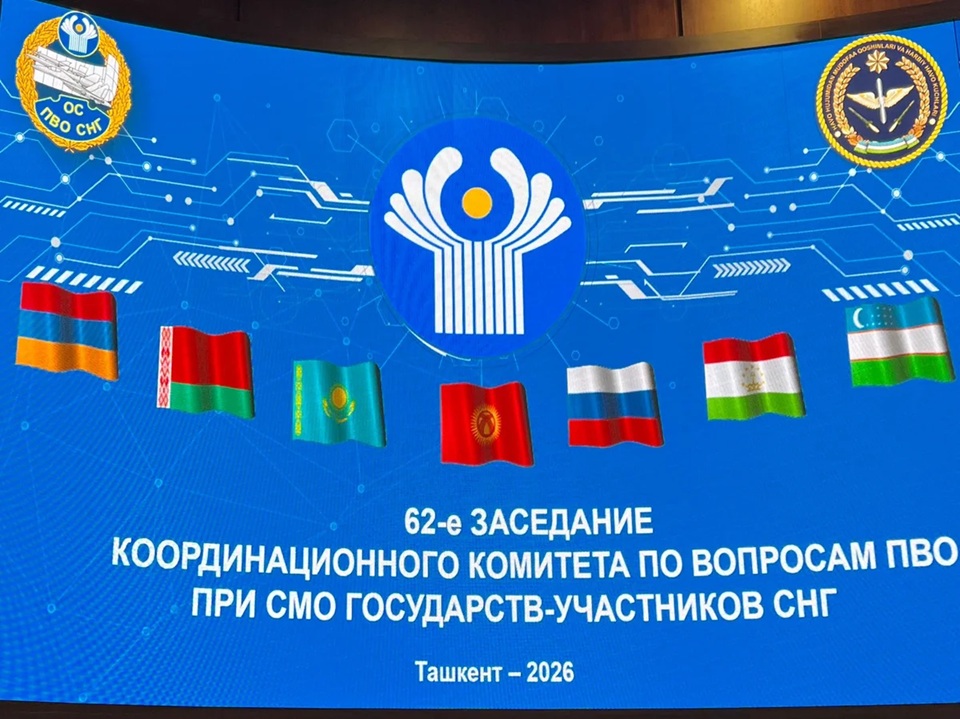
On April 15, the regular meeting of the Coordinating Committee on Air Defense Issues under the Council of Defense Ministers of the Commonwealth of Independent States was held in Tashkent. This was reported by the press service of the CIS Executive Committee.
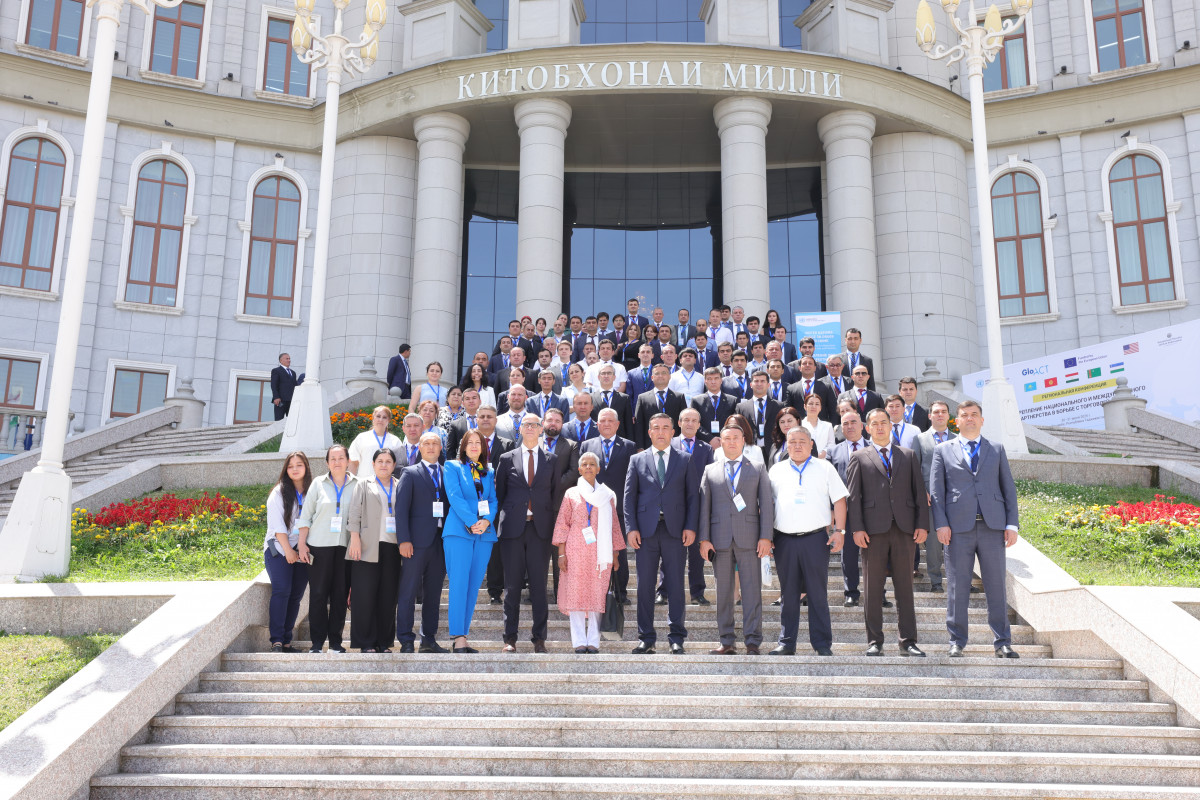
The meeting was attended by delegations from the Ministries of Defense of Belarus, Kazakhstan, Kyrgyzstan, Russia, Tajikistan, and Uzbekistan, as well as representatives of the Secretariat of the Council of Defense Ministers, the Federal Service for Military-Technical Cooperation of Russia, defense industry enterprises of the Commonwealth countries, specialized higher military educational institutions of Russia and Uzbekistan, and basic CIS organizations in the field of air defense research and military personnel training.
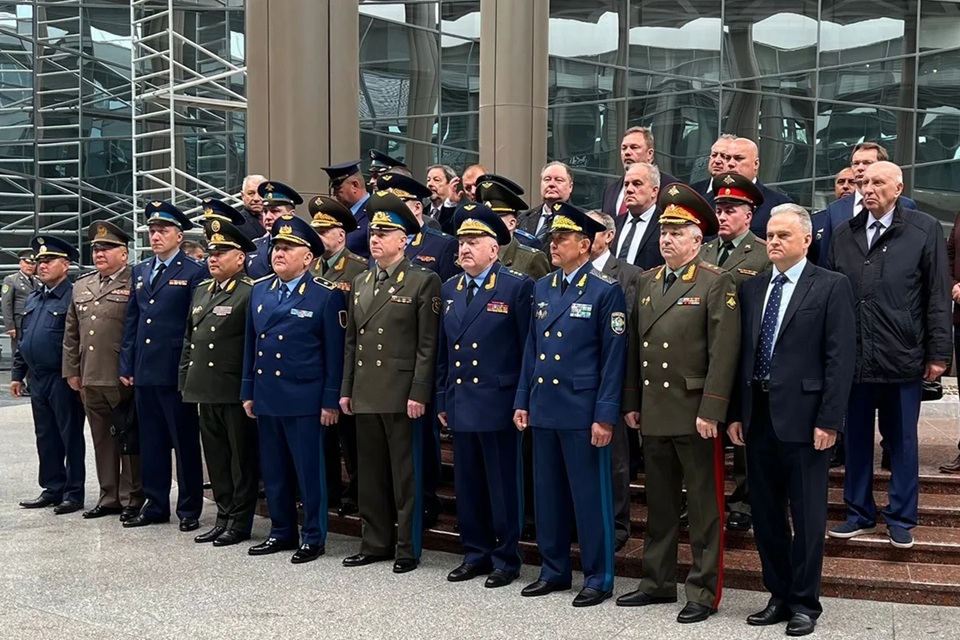
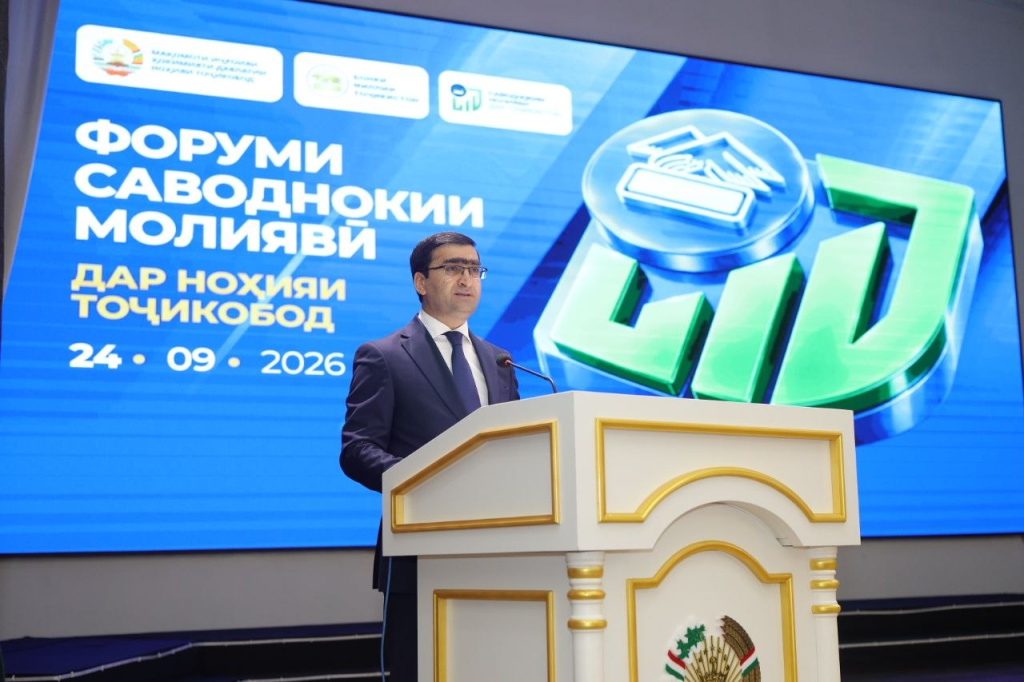
Evgeny Klemez, Director of the Department for Security Cooperation, represented the CIS Executive Committee at the meeting. In his address, he noted that the joint air defense system remains one of the most successful forms of practical cooperation for the CIS countries. He stated that the unified CIS air defense system is an effective multilateral mechanism that promotes security, develops military-technical cooperation, builds trust, and facilitates a joint response to modern challenges and threats, as well as preserves the security architecture in Eurasia.
Klemez recalled that at the CIS summit last October, the Concept of Military Cooperation between Commonwealth States until 2030 was approved, outlining the goals, objectives, and prospects for further military cooperation. In April of this year, the Council of Defense Ministers approved an action plan for implementing this concept.
He also emphasized that one promising area of cooperation is the development of unmanned aerial vehicles and robotic systems capable of effectively performing combat missions without human intervention. According to him, their implementation is directly linked to the development of computing technology, control systems, navigation, and information transmission.
In these conditions, as noted, the role of basic organizations engaged in the study of air defense problems and the training of personnel for the unified air defense system is increasing.
In addition, the Director of the CIS Executive Committee Department emphasized that the Coordination Committee makes a significant contribution to improving the Commonwealth's collective air defense system, and its activities are under the constant scrutiny of the highest CIS bodies.
During the meeting, defense ministry representatives discussed improving military personnel training for the Air Defense Forces and Air Force, taking into account modern combat experience, summarized the committee's work for 2025 and the events it had completed, and reviewed a number of financial issues.
Following the meeting, the heads of the military delegations held meetings to discuss operational and combat training, military-technical cooperation, joint air defense combat duty, and the practical implementation of agreements on the creation of unified regional air defense systems.