Translated with AI

























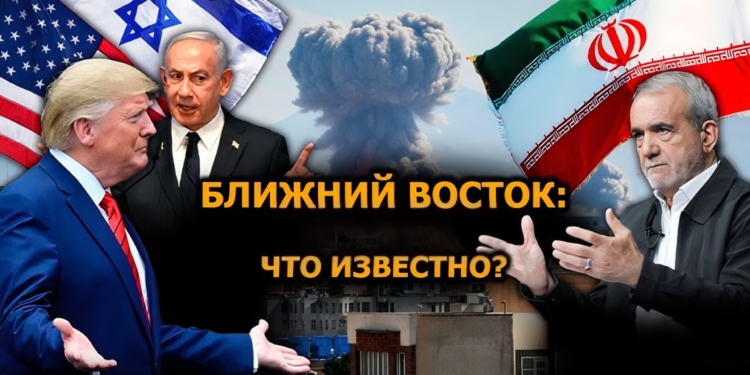
As the war around Iran enters its 33rd day, reports continue to emerge about military plans, diplomatic assessments, and reactions from various countries and politicians to the events.
According to The Washington Post, the Pentagon, at the request of US President Donald Trump, has prepared a plan to seize and remove approximately 450 kilograms of enriched uranium produced by Iran. Citing two informed sources, the publication reports that the operation may include the deployment of special forces and engineering units to Iran. It is expected that drilling equipment will be used to create passages through the rock to reach underground nuclear facilities buried under rubble following the US bombings last June. Furthermore, the plan calls for the construction of an airstrip for the removal of radioactive materials by transport aircraft.
One of the operation's options involves parachuting the 82nd Airborne Division and Rangers to seize territory within range of artillery, missiles, and drones. Sources reported that the US president was briefed on this plan and warned of the significant operational risks. Former Deputy Assistant Secretary of Defense Mick Mulroy stated that this could be one of the largest and most complex special operations in history. He also noted that the operation carries significant risks for the armed forces.
IAEA Director General Rafael Grossi reported that more than half of the uranium is stored at a facility near Isfahan in tunnels more than 90 meters deep, with the rest at a facility in Natanz and possibly elsewhere. Sources say accessing the storage facilities will require the deployment of excavation equipment, the demolition of concrete and lead shielding, and the removal of containers, which could take anywhere from several weeks to several months.
Retired General Joseph Votel noted that the optimal option would be to retrieve the materials after a ceasefire with the participation of IAEA personnel, but did not rule out the possibility of conducting the operation in combat conditions, despite the high risks and possible casualties.
Meanwhile, Iranian media reported on the aftermath of the strikes on Tehran. According to the Mehr news agency, Kamal Kharazi, an adviser to Iran's Supreme Leader, was seriously wounded in US-Israeli strikes on residential areas of the capital. The Nour news agency reports that his wife was killed, and Kharazi himself was taken to the hospital.
According to The New York Times, US intelligence agencies believe Tehran is not ready for serious negotiations to end the fighting. American officials assess that the Iranian leadership considers its position in the war strong and does not see the need to make concessions. However, they note that Iran is willing to maintain channels of communication, but does not trust the US and is unsure of Washington's seriousness. Sources also indicate that Tehran may consider diplomatic engagement if appropriate conditions are met, including US willingness to discuss a full end to the war.
In his address to the nation, US President Donald Trump stated that the military operation against Iran is nearing completion and could last another two to three weeks. He reported that strategic objectives had been achieved, but emphasized that strikes against Iran would continue at a high intensity. American media, including The New York Times, were skeptical of his statement, noting that it reiterated previously expressed positions.
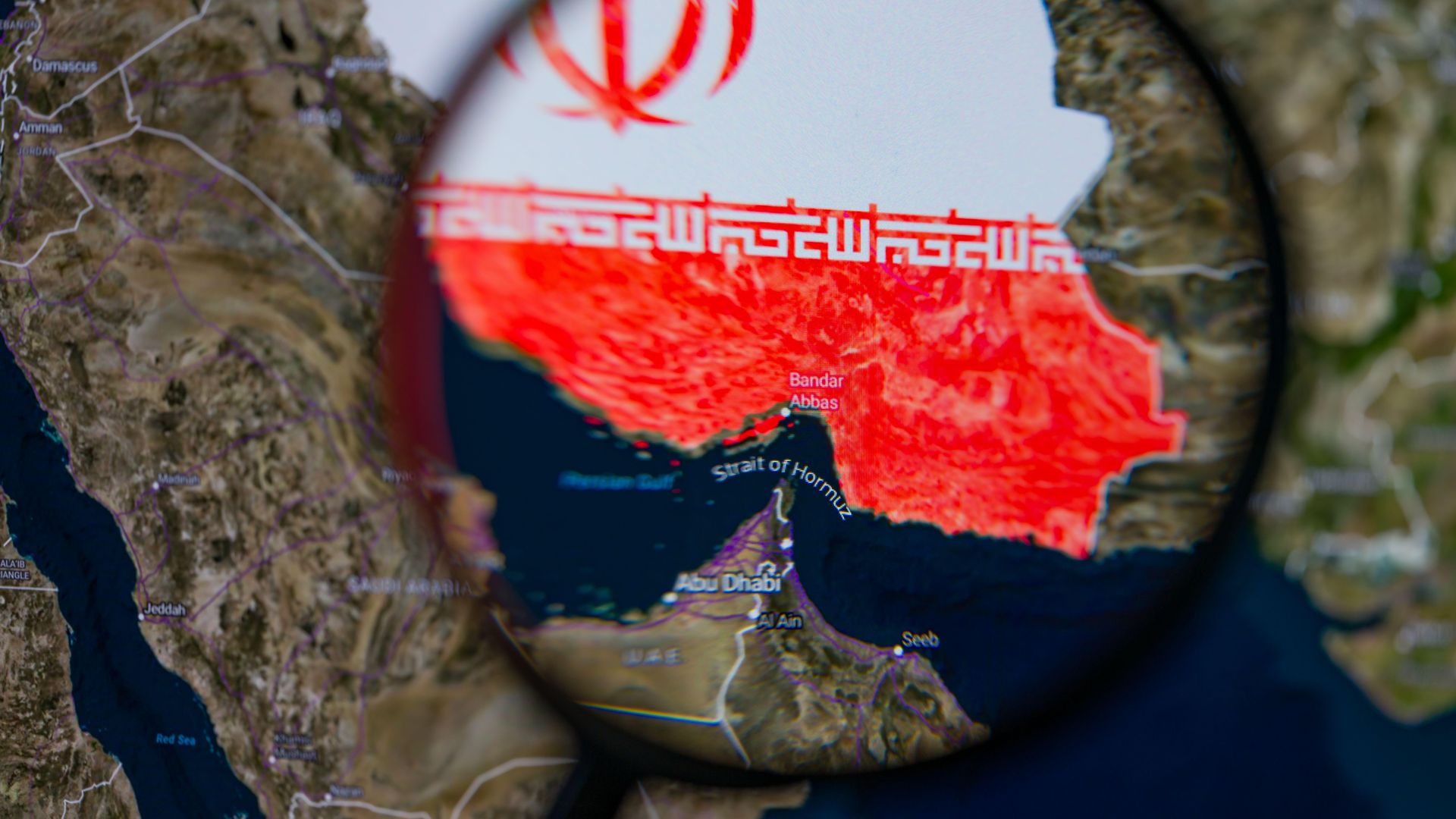
Trump also stated that navigation in the Strait of Hormuz would be restored after the end of hostilities, and that responsibility for its security should be assumed by countries interested in oil supplies through this route. He also warned of the possibility of strikes against Iran's energy infrastructure and oil facilities in the absence of an agreement.
The US President also expressed the opinion that Iran's new leadership is less hostile toward Washington than the previous one, citing the progress of indirect talks. However, Western media outlets note that a number of experts disagree with this assessment, pointing to the persistence of the previous power structure in Iran.
Trump's speech provoked a sharp reaction among US lawmakers. Democratic representatives, including Senators Mark Warner, Chris Murphy, Richard Blumenthal, and others, criticized the speech, saying it failed to answer key questions and lacked a clear plan. Meanwhile, US Secretary of State Marco Rubio and most Republicans supported the president, declaring the operation's goals clear and the need to protect national interests.
The US Embassy in Iraq warned of possible attacks by pro-Iranian groups in Baghdad within the next 24-48 hours. The statement noted the risk of attacks on American citizens, infrastructure, and government institutions. The diplomatic mission urged US citizens to leave Iraq and warned of a high security threat.
The General Staff of the Iranian Armed Forces announced its intention to intensify actions against US and Israeli interests. General Staff spokesman Ebrahim Zolfakari stated that the actions would be more extensive and destructive, emphasizing that Iran's military potential remains significant.
Iranian Foreign Ministry spokesman Esmail Baghaei stated that Tehran will not allow a repeat of a scenario in which negotiations and a ceasefire are followed by further strikes. He emphasized that Iran will continue counterattacks until the attacks cease, while declaring its desire for friendly relations with neighboring countries.
China, represented by Foreign Ministry spokesman Mao Ning, called on the parties to immediately cease hostilities and begin peace talks.
The Kremlin has declared its commitment to a political and diplomatic settlement. Russian presidential press secretary Dmitry Peskov announced Russia's readiness to facilitate a peaceful resolution of the conflict. Russian President Vladimir Putin also expressed hope for a swift end to the conflict.
Other international issues are also being discussed amid the current situation. During a meeting with Egyptian Foreign Minister Badr Abdelathi, Vladimir Putin mentioned the possibility of creating a grain and energy hub in Egypt and emphasized the importance of discussing the situation in the Middle East.
In turn, the Philippines reported that Iran guaranteed the safe passage of its ships through the Strait of Hormuz, which should contribute to the country's energy security.
Thus, on the 33rd day of the conflict, the situation remains tense: military action continues, threats of new strikes are being made, while diplomatic efforts by various countries are aimed at finding ways to end the war.