Translated with AI























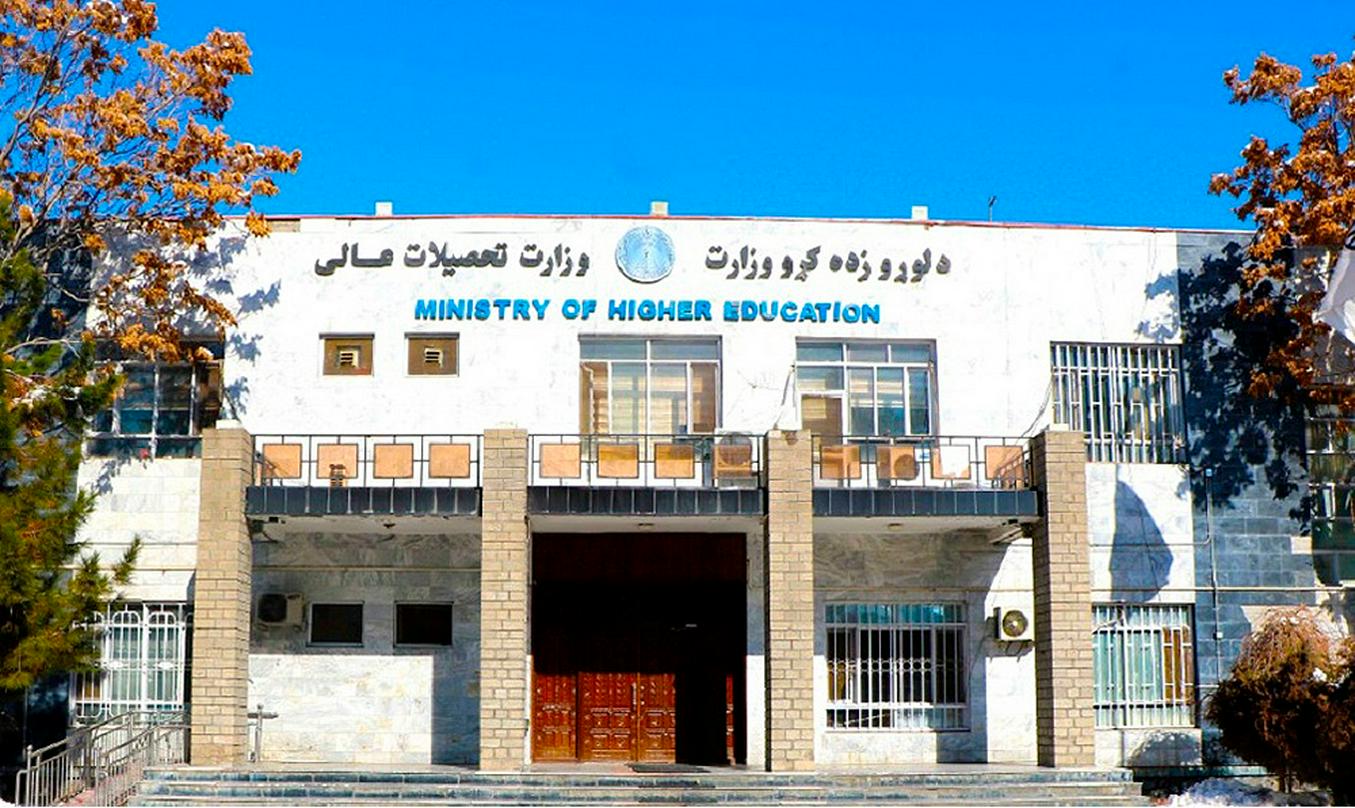
The Afghan Ministry of Higher Education announced the establishment of the country's first faculty of traditional prophetic medicine at the Kabul University of Medical Sciences, Fergana.ru reported, citing Amu.tv.
The decision was made based on a decree issued by the leader of the Taliban movement (designated as terrorist and banned in several countries) Haibatullah Akhundzada. A press release published on February 2 on the Afghan Ministry of Higher Education's X social media page stated that the purpose of establishing the new faculty is to "strengthen scientific, educational, and research activities in the field of prophetic traditional medicine." The ministry emphasized that the opening of the faculty should play an important role in "the development of medical sciences and the training of professional personnel."
Prophetic medicine is a system of healing and hygiene in Islam based on the advice and recommendations of the Prophet Muhammad, as expressed in the Hadith. It differs from the broader Islamic medicine, which was systematized in the Middle Ages and includes many practices originating in Greek natural philosophy.
Prophetic medicine utilizes methods such as cupping, honey and black cumin, as well as prayer and pious incantations. Unlike modern medicine, this approach does not involve surgery and focuses on diet, simple remedies, and spiritual practices.
As noted in the article, prophetic medicine training programs already exist in a number of Muslim countries. For example, in India, there is the International Islamic University of Prophetic Medicine. In Saudi Arabia, the Faculty of Medicine at King Abdulaziz University has a department dedicated to the therapeutic applications of prophetic medicine.
Since returning to power in August 2021, the Taliban movement has reportedly been consistently making changes to Afghanistan's higher education system in line with its interpretation of Islamic norms. In August 2025, the Afghan Ministry of Higher Education removed 18 academic disciplines from university curricula and ordered a review of over 200 other subjects. The review was conducted by Islamic scholars and Sharia experts with the goal of aligning higher education content with "Islamic principles and system policies."
The number of required courses in Islamic studies was increased from 8 to 24 credit hours at all universities across the country. During the first two years of Taliban rule, 5,618 new religious schools were opened, compared to 1,212 under the previous government.
It is also noted that the most severe restrictions have affected female education. In December 2022, the Taliban movement completely banned girls and women from attending universities. Afghanistan remains the only country in the world where girls are prohibited from receiving education beyond the primary level. According to UNESCO, since August 2021, 2.2 million Afghan girls have been denied access to secondary and higher education.