Translated with AI




























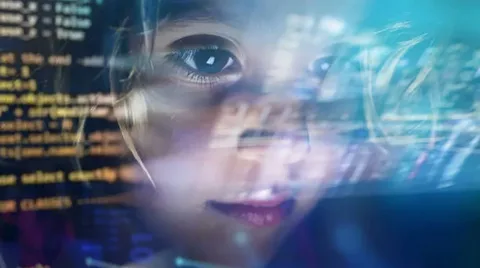
The United Nations has warned of a rapidly growing threat to children related to the spread of artificial intelligence and called for urgent and comprehensive measures to protect minors from violence, exploitation, and psychological trauma. This was stated in a joint statement by UN agencies published on January 31.
It is noted that huge volumes of malicious content created using artificial intelligence technologies are spreading online. The main threats include grooming, deepfakes, the introduction of malicious features into digital services, cyberbullying, and children accessing inappropriate content.
According to Cosmas Zavazava, Director of the International Telecommunication Union's Telecommunication Development Bureau, modern technologies allow cybercriminals to analyze children's online behavior, emotional state, and interests to more accurately develop strategies for engaging and manipulating them. He noted that during the COVID-19 pandemic, many children, especially girls, have been subjected to online abuse, which in some cases resulted in physical harm.
The UN also notes that artificial intelligence allows criminals to create fake images of real children, which has led to the emergence of a new form of sextortion. According to a 2025 report by the independent Childlight Institute for Global Child Safety, the number of cases of technology-assisted child sexual abuse in the United States increased from 4,700 in 2023 to more than 67,000 in 2024.
The statement emphasizes that some countries have already begun to introduce strict regulatory measures. Specifically, at the end of 2025, Australia became the first country in the world to ban children under 16 from having social media accounts. The decision was based on a national study showing that nearly two-thirds of children aged 10 to 15 had encountered violent, abusive, or traumatic content, and more than half had experienced cyberbullying.
Similar measures or legislative initiatives are reportedly being prepared in other countries, including Malaysia, the United Kingdom, France, and Canada. According to media reports, the French National Assembly this week passed a bill banning children under 15 from using social media in its first reading, after which the document will be sent to the Senate for consideration.
In early 2026, several UN agencies working to protect children's rights signed a Joint Statement on Artificial Intelligence and the Rights of the Child. The document highlights the low level of knowledge about AI among children, teachers, parents, and caregivers, as well as the insufficient technical preparation of government agencies in the areas of regulating artificial intelligence, data protection, and assessing the impact of technology on children's rights.
The statement places special emphasis on the responsibility of technology companies. The UN notes that most AI-based tools are developed without regard for the interests and well-being of children. At the same time, according to Zavazava, private sector representatives are expressing a willingness to make their products safer, despite concerns about a possible slowdown in innovation.
He emphasized that responsible use of artificial intelligence can simultaneously grow businesses, maintain market share, and ensure user safety. However, the ITU stated that it is obliged to sound the alarm when technologies can lead to undesirable consequences.
The UN recalled that, back in 2021, provisions reflecting the challenges of the digital age were added to the Convention on the Rights of the Child. However, according to the organization's agencies, states still lack practical guidance for effective regulation.
In this regard, a list of recommendations was prepared, which, in particular, highlights the need to strengthen AI regulation systems, ensure transparency and accountability of technologies, protect children's personal data, prevent violence and exploitation, and take children's views into account when developing policies and artificial intelligence systems. It is noted that AI development must be inclusive, free from bias, and contribute to sustainable development.