Translated with AI




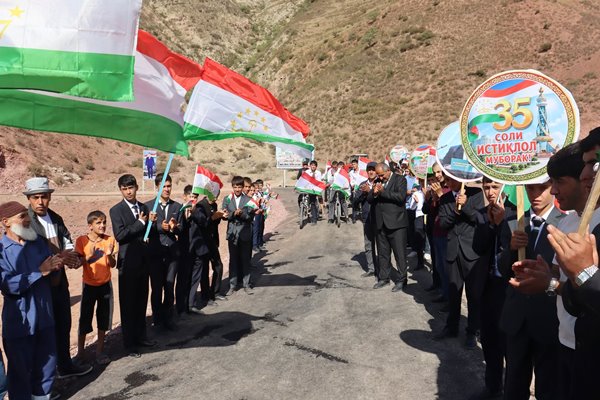


























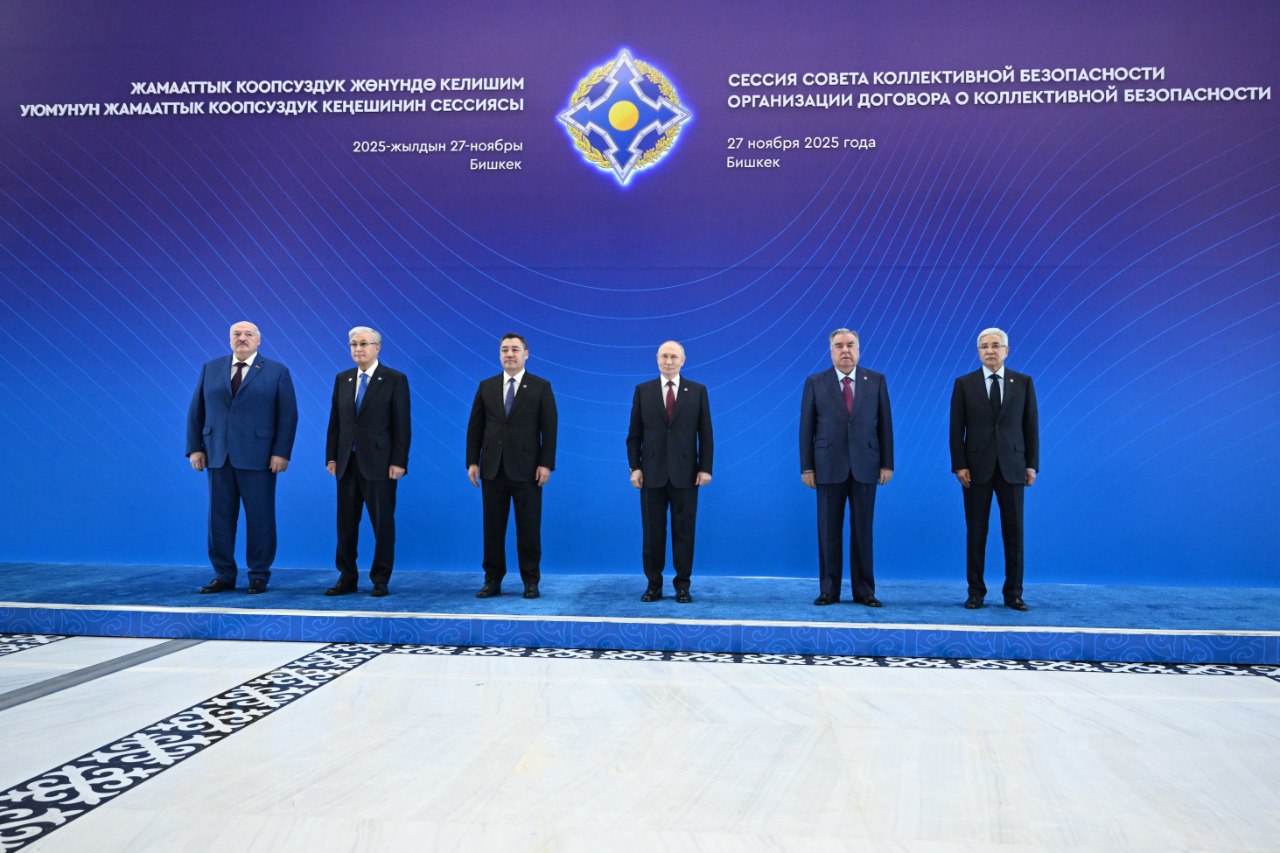
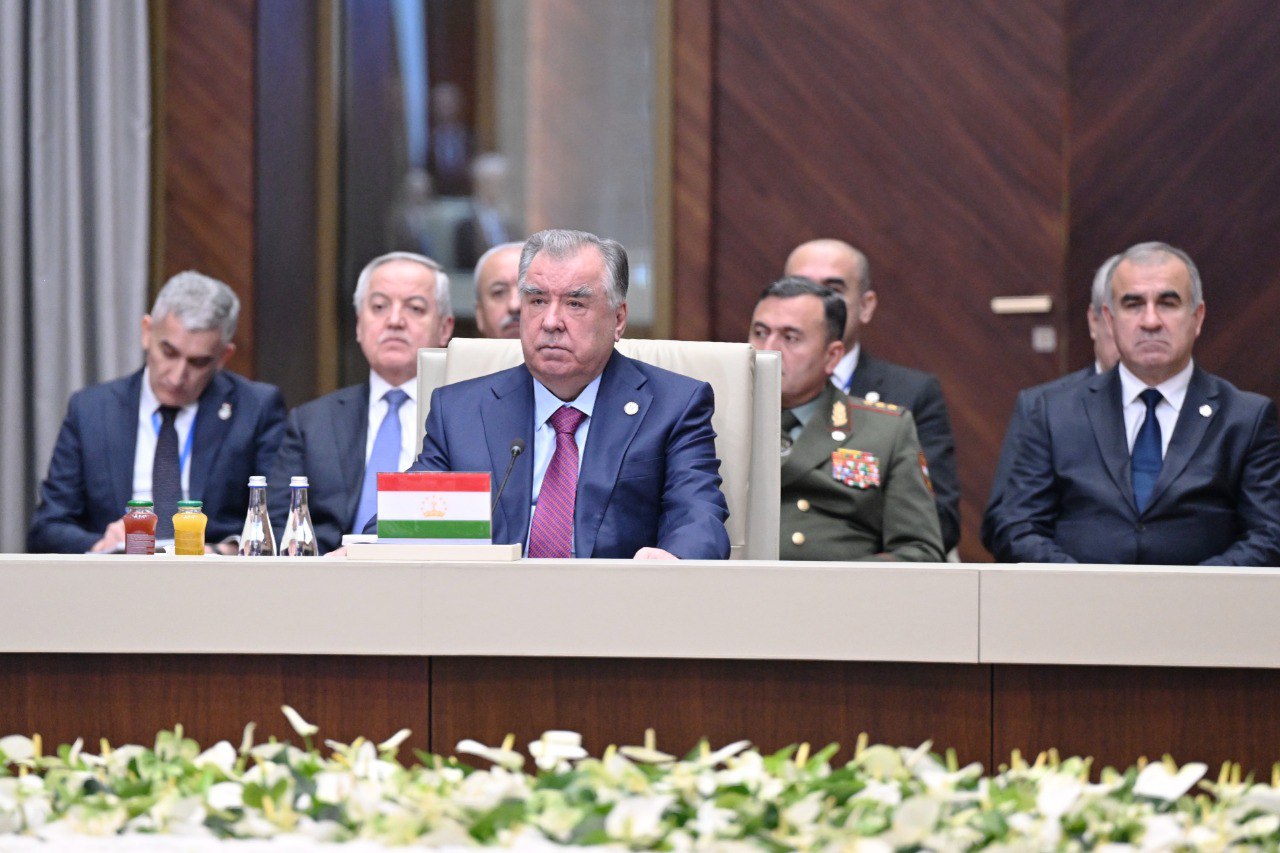
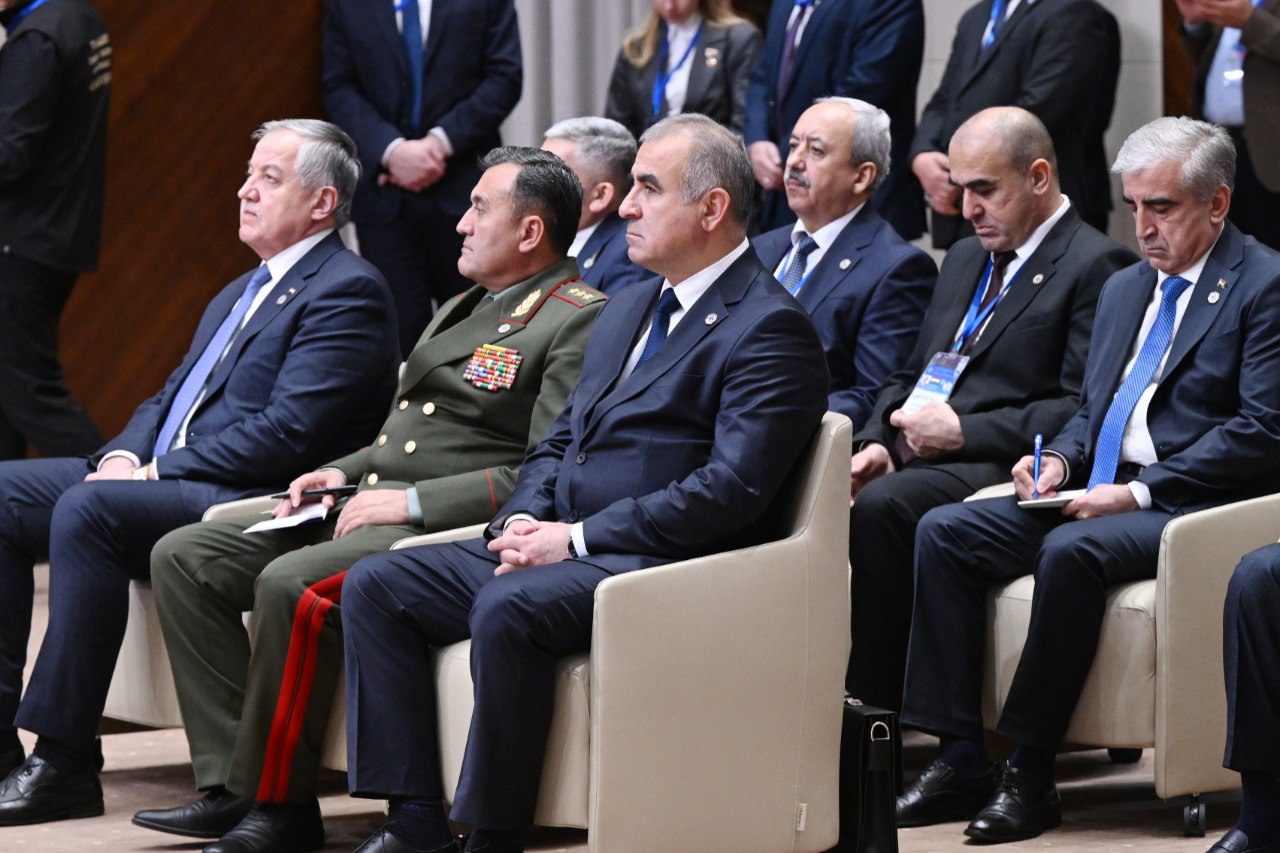
President of the Republic of Tajikistan Emomali Rahmon attended and addressed the regular meeting of the Collective Security Council of the Collective Security Treaty Organization (CSTO), the press service of the President of Tajikistan reported .
In his welcoming remarks, the head of state thanked the hosts for creating favorable conditions for the meeting and provided an analytical assessment of the current state and prospects of cooperation within the CSTO. In his address, the President emphasized the importance of the CSTO as a key element of the regional security system, serving to ensure stability and strengthen the defense capability of the region's states.
"Tajikistan, being at the forefront of the southern direction of collective defense, constantly focuses on strengthening stability and ensuring security in the Organization's Central Asian area of responsibility," Emomali Rahmon said, according to the press service of the President of Tajikistan.
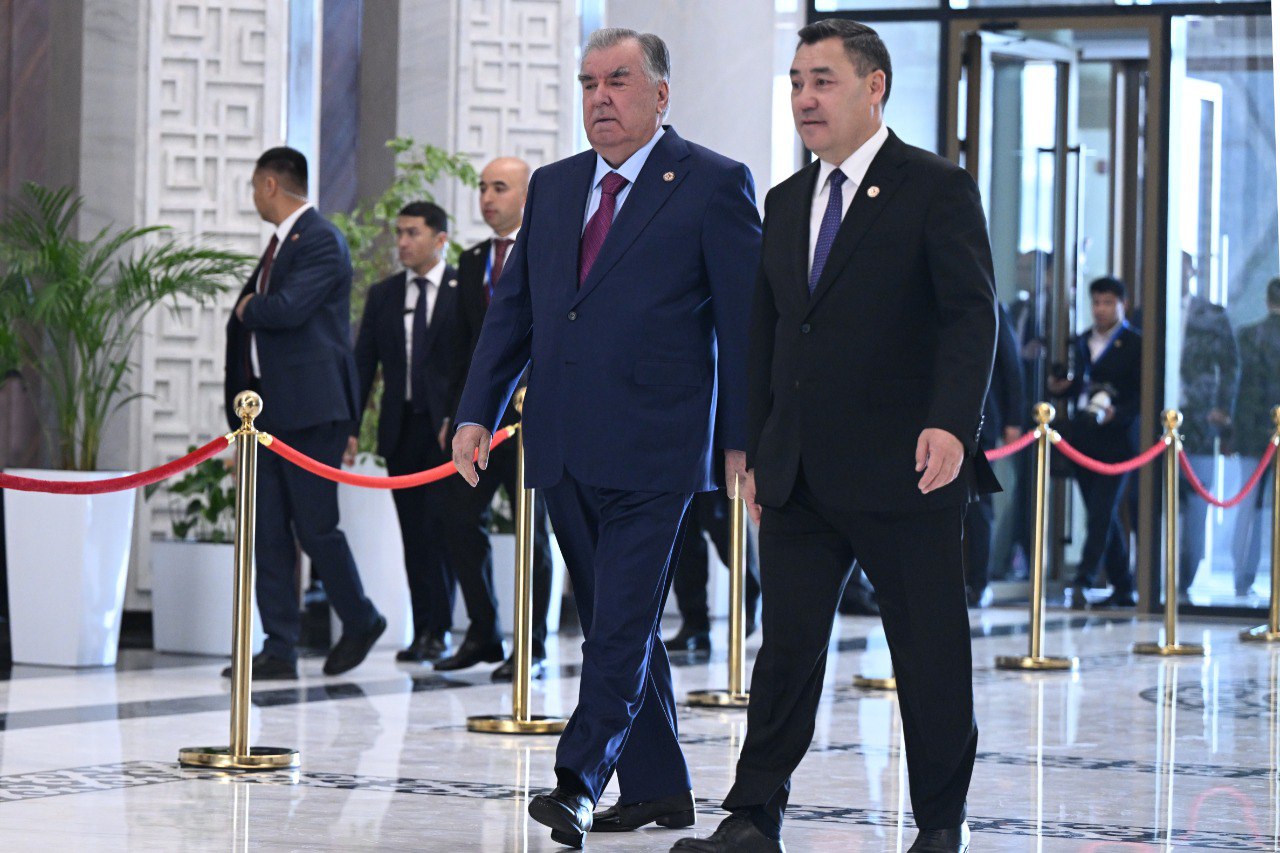
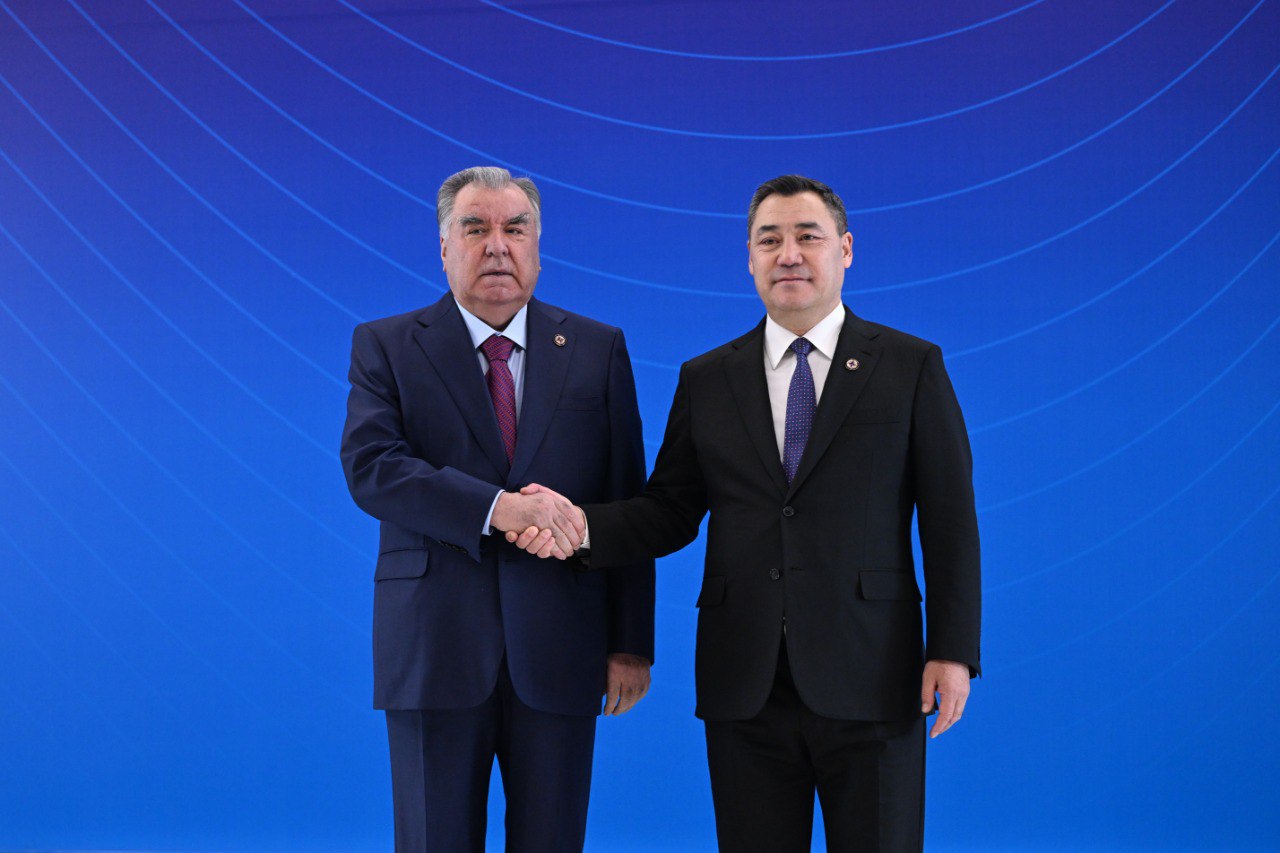
Describing the international situation as "complex and difficult to predict," President Rahmon supported the joint measures included in the agenda of the Collective Security Council meeting, including the documents proposed for adoption. Specifically, he expressed support for the adoption of the Plan for the Development of Military Cooperation among CSTO Member States for 2026–2030.
The head of state also supported the decision to approve the Anti-Drug Strategy of the CSTO member states for 2026–2030. He also noted the importance of exploring ways for the CSTO to collaborate with the Shanghai Cooperation Organization's Anti-Drug Center, which is being established in Dushanbe.
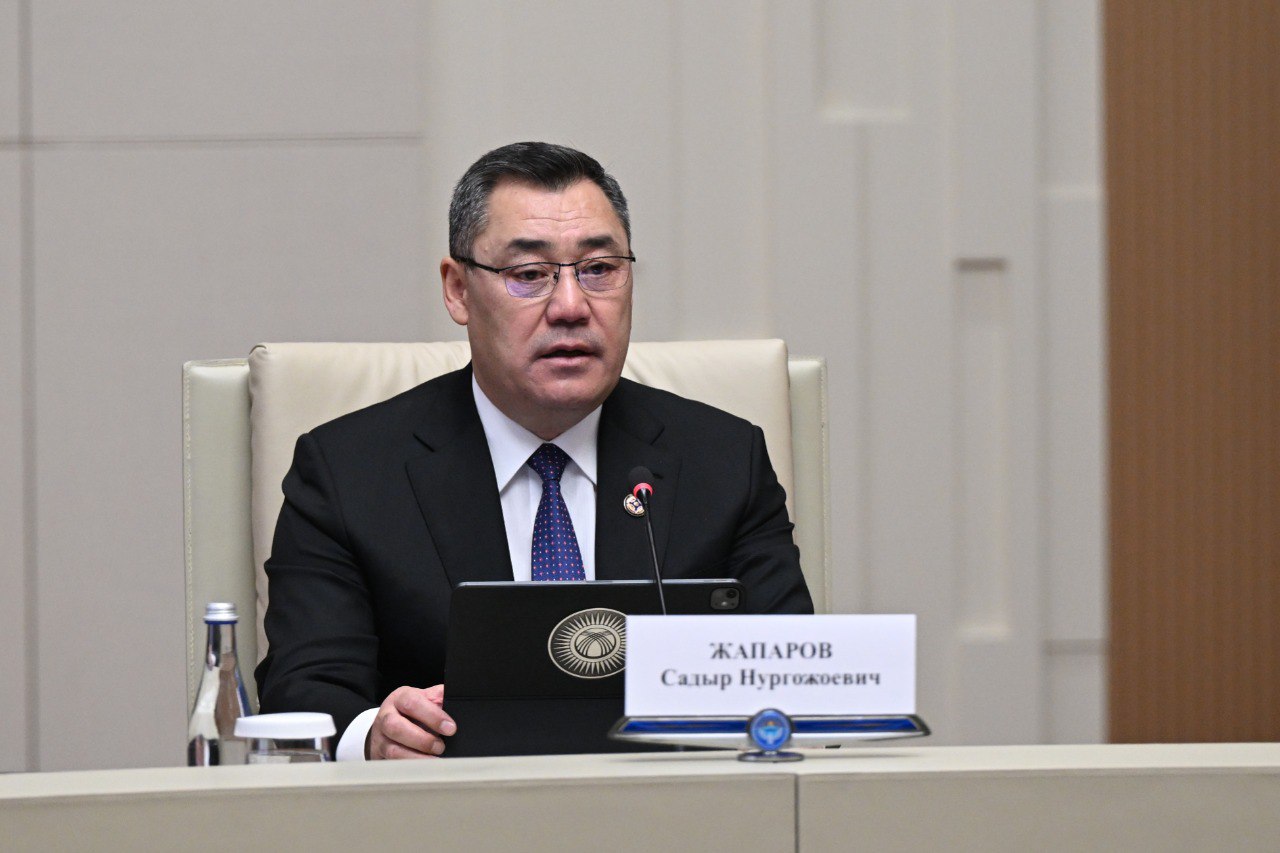
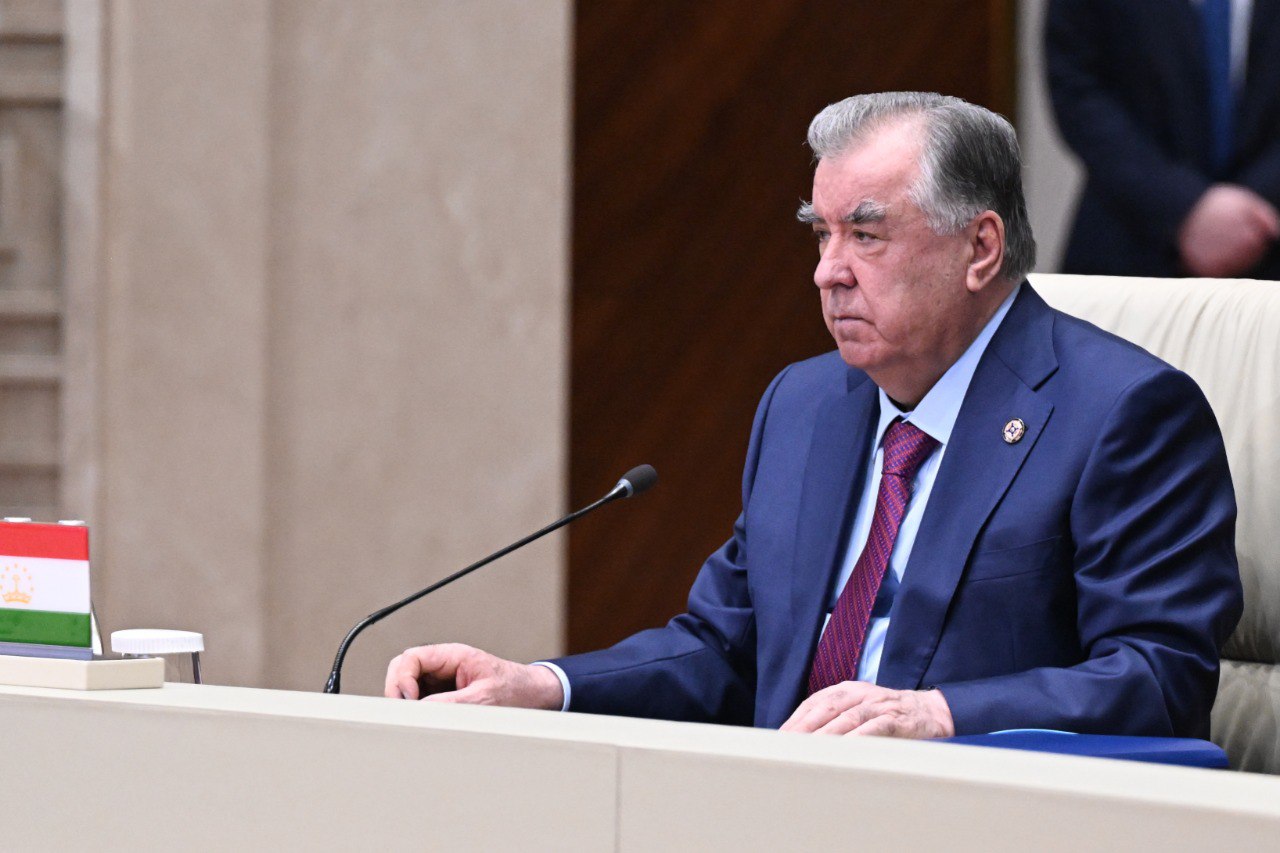
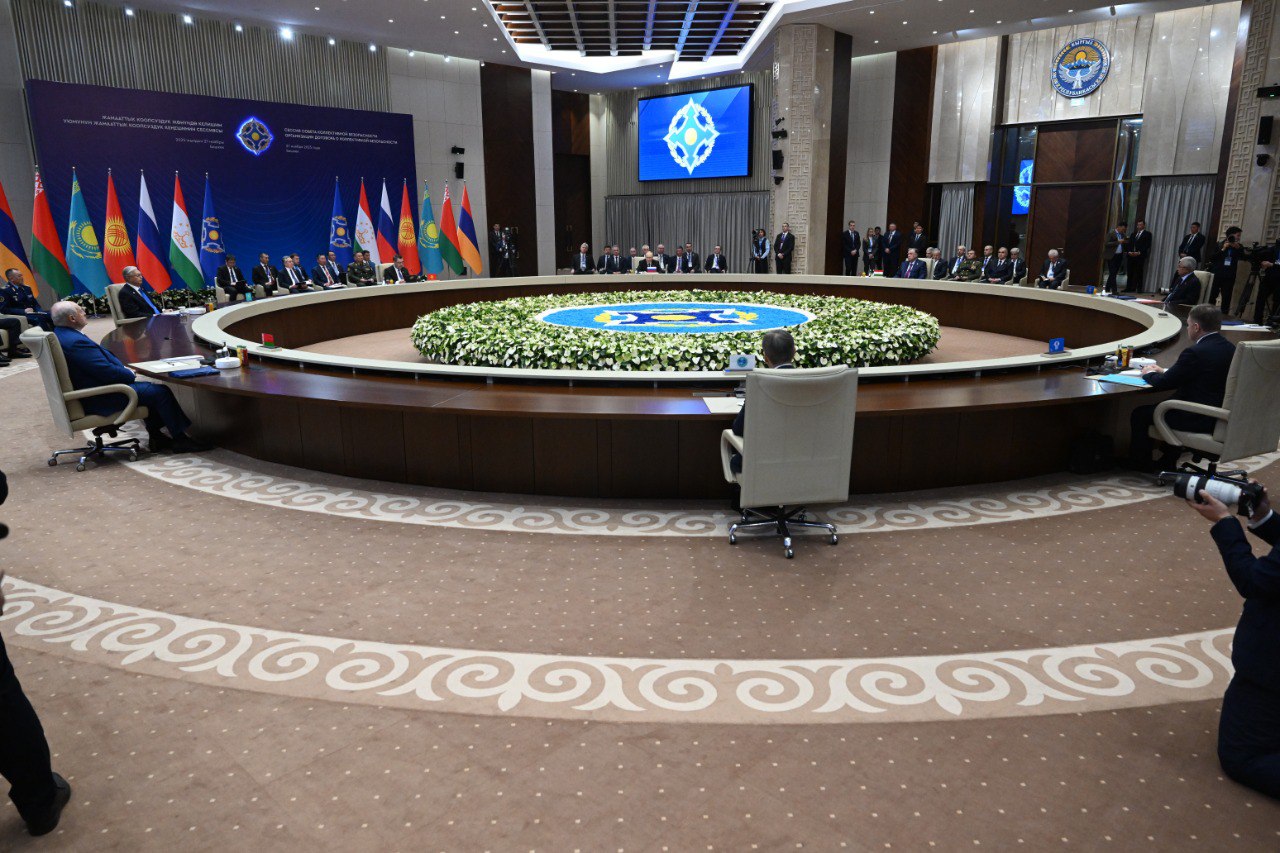
Emomali Rahmon expressed gratitude for the previously adopted CSTO Interstate Program to strengthen the Tajik-Afghan border and expressed hope for its timely implementation. The President emphasized the importance of establishing a CSTO Humanitarian Response Center in Tajikistan and expressed confidence that this initiative will receive support from partners.
In his address, the Head of State focused on the challenges and threats of the modern world—terrorism and extremism, drug trafficking, and transnational organized crime. In this regard, he recalled the use of cyberspace, including artificial intelligence technologies, by terrorist and extremist groups and emphasized the need for rapid information exchange and the management of these threats using new digital technologies.
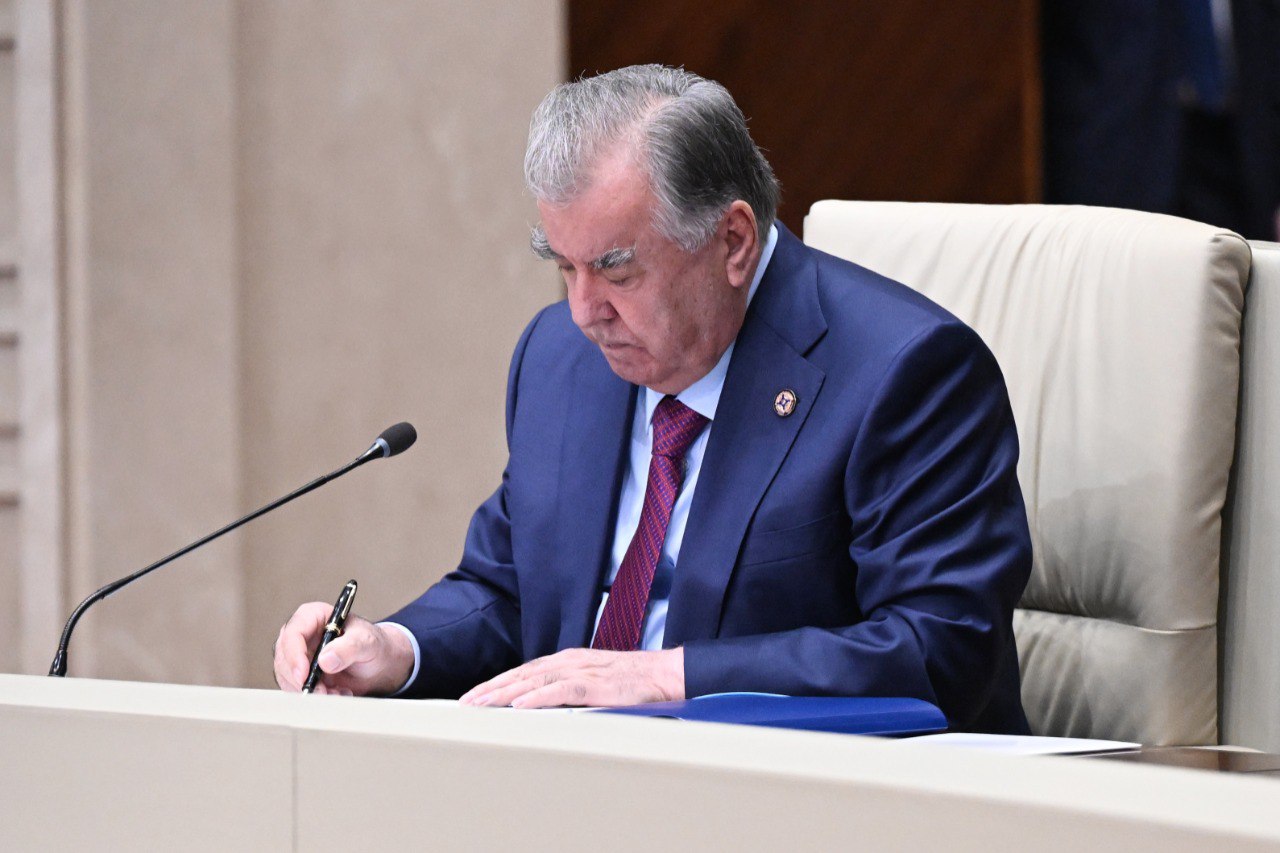
In conclusion, the President of the Republic of Tajikistan expressed confidence that the decisions adopted at the summit will contribute to the strengthening and development of further cooperation between the CSTO member states. Following the summit, the heads of state of the CSTO member states signed a number of important new documents.