Translated with AI





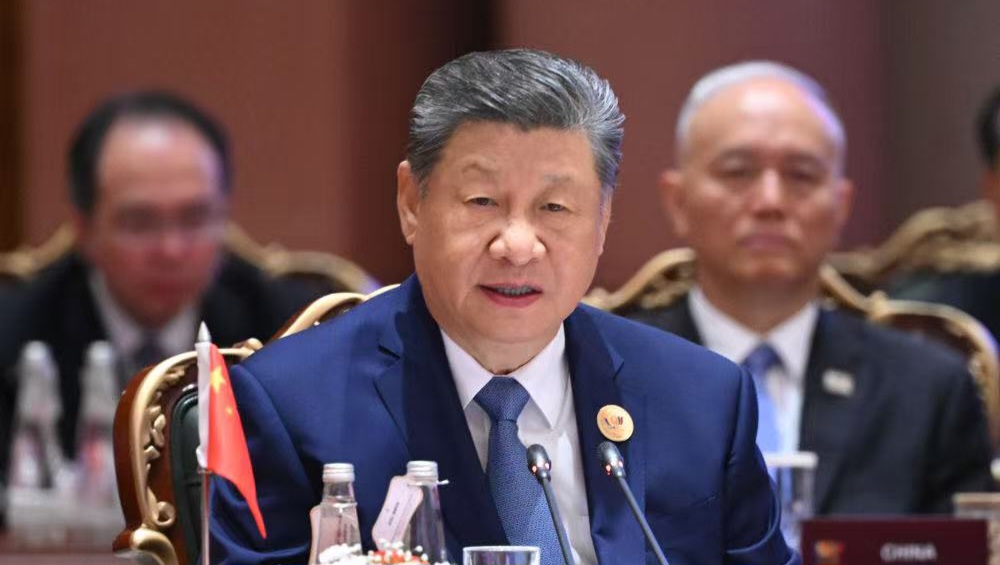

The EU Commission President called on Europeans to increase pressure on Moscow and warned that, despite its stated intention to participate in peace talks, "Russia's mentality has not changed."
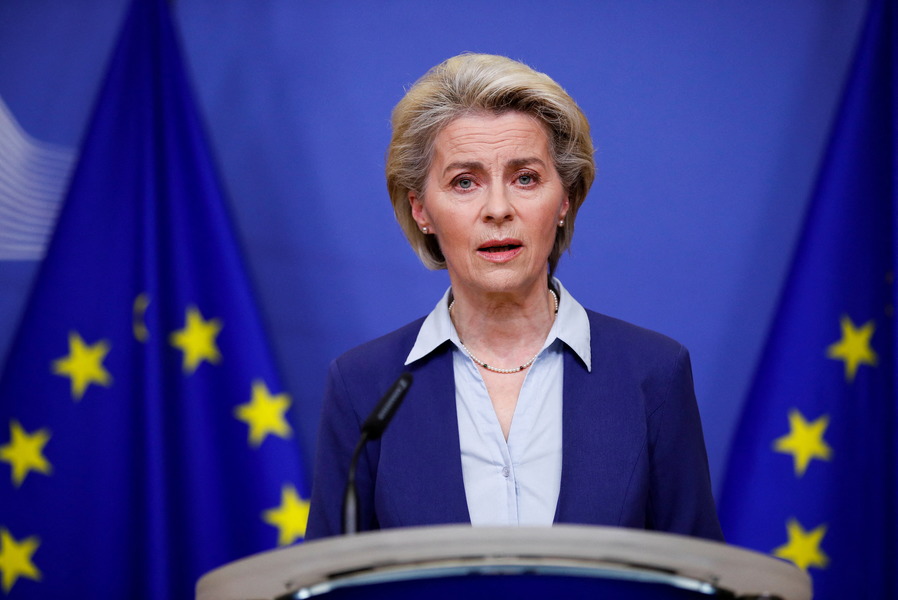
Europe must maintain pressure on Russia, as it remains intent on "constantly redrawing the map" and reclaiming lost "spheres of influence," Ursula von der Leyen said on Wednesday. Meanwhile, rapidly advancing US-led peace talks raise the prospect of economic benefits for Moscow, despite its ongoing invasion of Ukraine.
"From the very beginning, Russia always believed that it could outmaneuver Ukraine, Europe and all its allies," the President of the European Commission said, speaking at the European Parliament in Strasbourg on Wednesday morning.
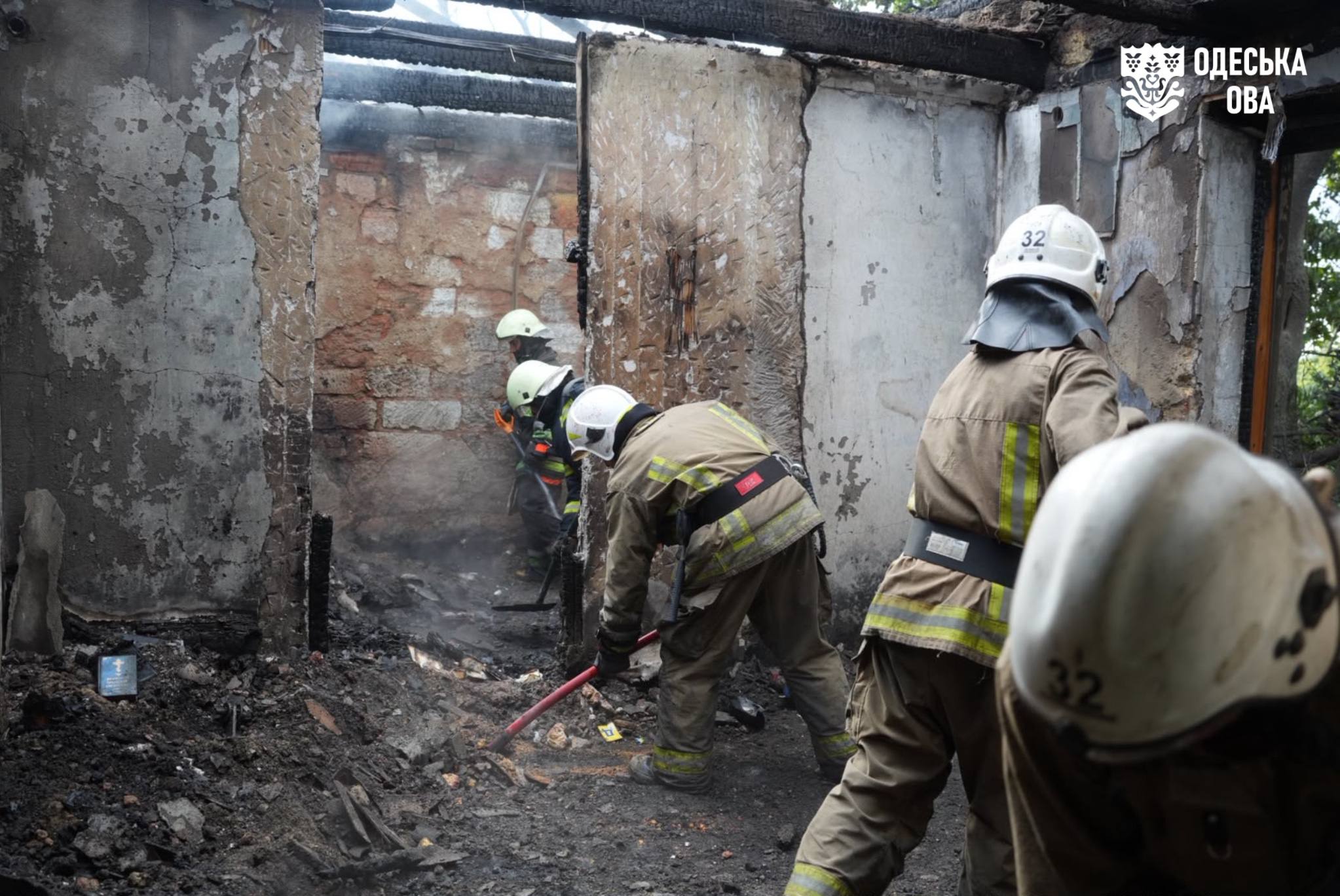
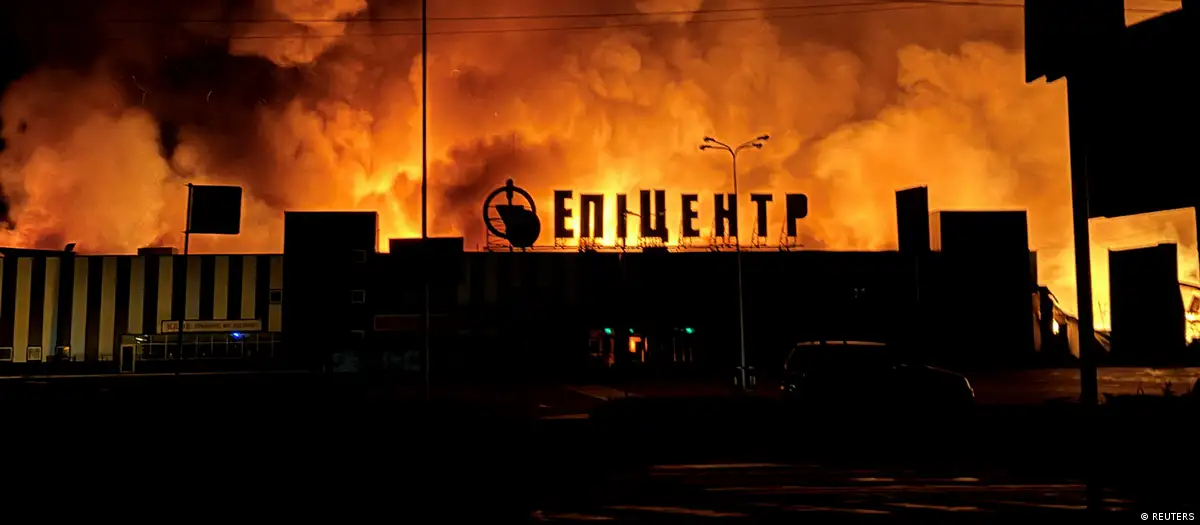
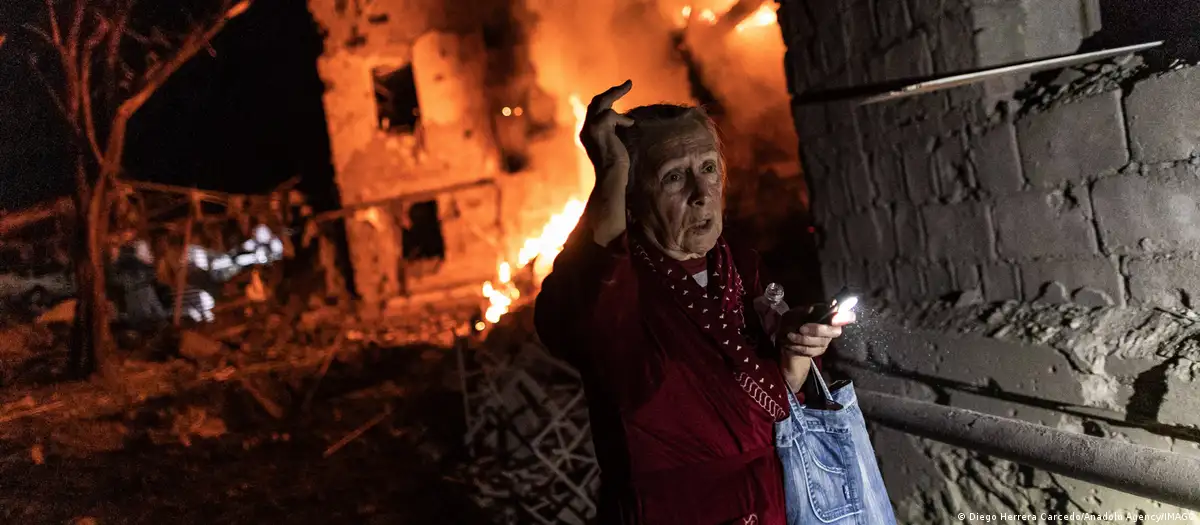
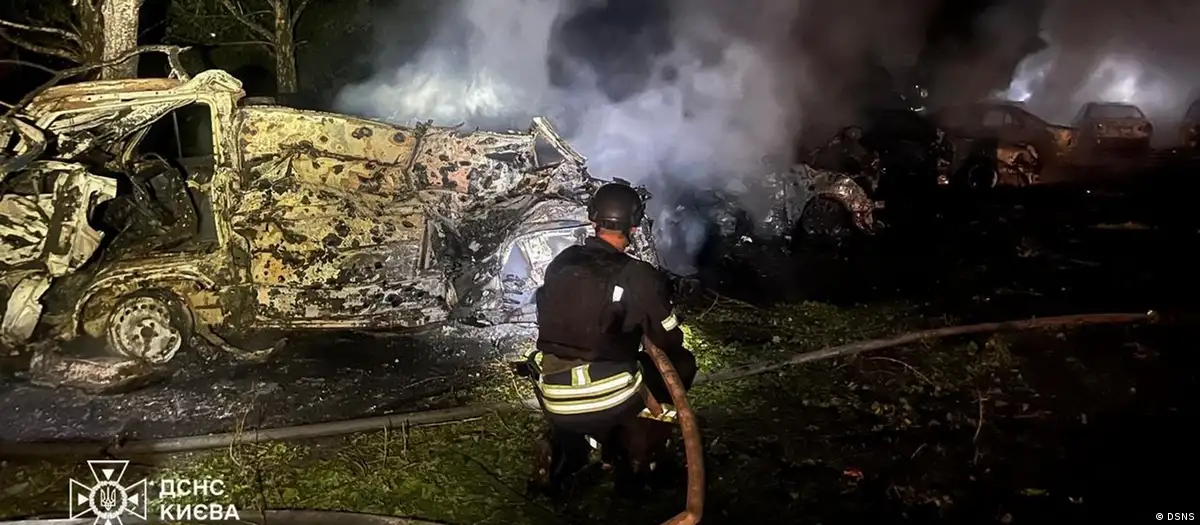
“That’s why every time there’s serious progress in negotiations that could lead to real peace, the attacks escalate,” she continued, referring to the recent flurry of Russian strikes against Ukrainian civilians.
"We've seen this before. It's a pattern. And the sounds coming from the Kremlin in the last few days speak volumes about its real intentions. For them, Ukraine remains the first step in a much larger game."
Von der Leyen's comments came as the Kremlin signaled it intended to reject a peace plan developed following talks between US and Ukrainian officials in Geneva over the weekend.
During the negotiations, the terms of the original 28-point draft, which contained extensive provisions that met Moscow's interests, were significantly modified.
Europeans, who were not consulted before the 28-point template was leaked to the press, were horrified by the proposals, which touch on crucial issues under their jurisdiction , such as the future of economic sanctions and the fate of frozen Russian assets.
The past few days have been marked by a flurry of high-level contacts, including an informal meeting of EU leaders on Monday and a virtual meeting of the "Coalition of the Resolute" on Tuesday, aimed at strengthening Europe's voice and helping Kyiv restore balance in the text.
"This principle has been accepted," von der Leyen said. "Nothing about Ukraine without Ukraine. Nothing about Europe without Europe. Nothing about NATO without NATO."
In her speech, von der Leyen opposed limiting the size of the Ukrainian armed forces – a contentious issue in the talks – and called for robust security guarantees to prevent a repeat of a full-scale invasion.
Western allies are considering deploying a multinational force on Ukrainian territory to strengthen deterrence after the war ends. Moscow has rejected this idea.
"We know that Russia's thinking has not changed since Yalta: it views our continent in terms of spheres of influence," von der Leyen told members of the European Parliament.
"Therefore, we must clearly understand that there can be no unilateral dismemberment of a sovereign European nation. And that borders cannot be changed by force. If we legitimize and formalize the undermining of borders today, we will open the door to new wars tomorrow."
As diplomatic spats over the US-Russia plan take center stage, von der Leyen stressed the urgent need to support Ukraine's financial and military needs, estimated at 135 billion euros for 2026 and 2027.
Last week, the European Commission presented a document outlining three options for filling the deficit: bilateral contributions from member states, common EU-level borrowing, and a so-called reparations loan based on frozen assets of the Russian Central Bank. These assets amount to approximately €210 billion across the bloc.
EU leaders are due to make a decision at their next meeting on December 18.
While most capitals favor providing a reparations loan because it would free their budgets from having to foot the bill, the unprecedented project has met with resistance from Belgium , which owns most of the assets and fears aggressive retaliation from Moscow.
Von der Leyen confirmed that her Commission is ready to present a legal text that will underpin the loan, which is one of Belgium's key demands.
"I don't see a scenario where the bill will be footed solely by European taxpayers," she said, favoring a reparations loan.
“It is also necessary to clearly understand another thing: any decision on this issue must be taken in accordance with the rules of the responsible jurisdictions and in compliance with European and international law.”