Translated with AI
































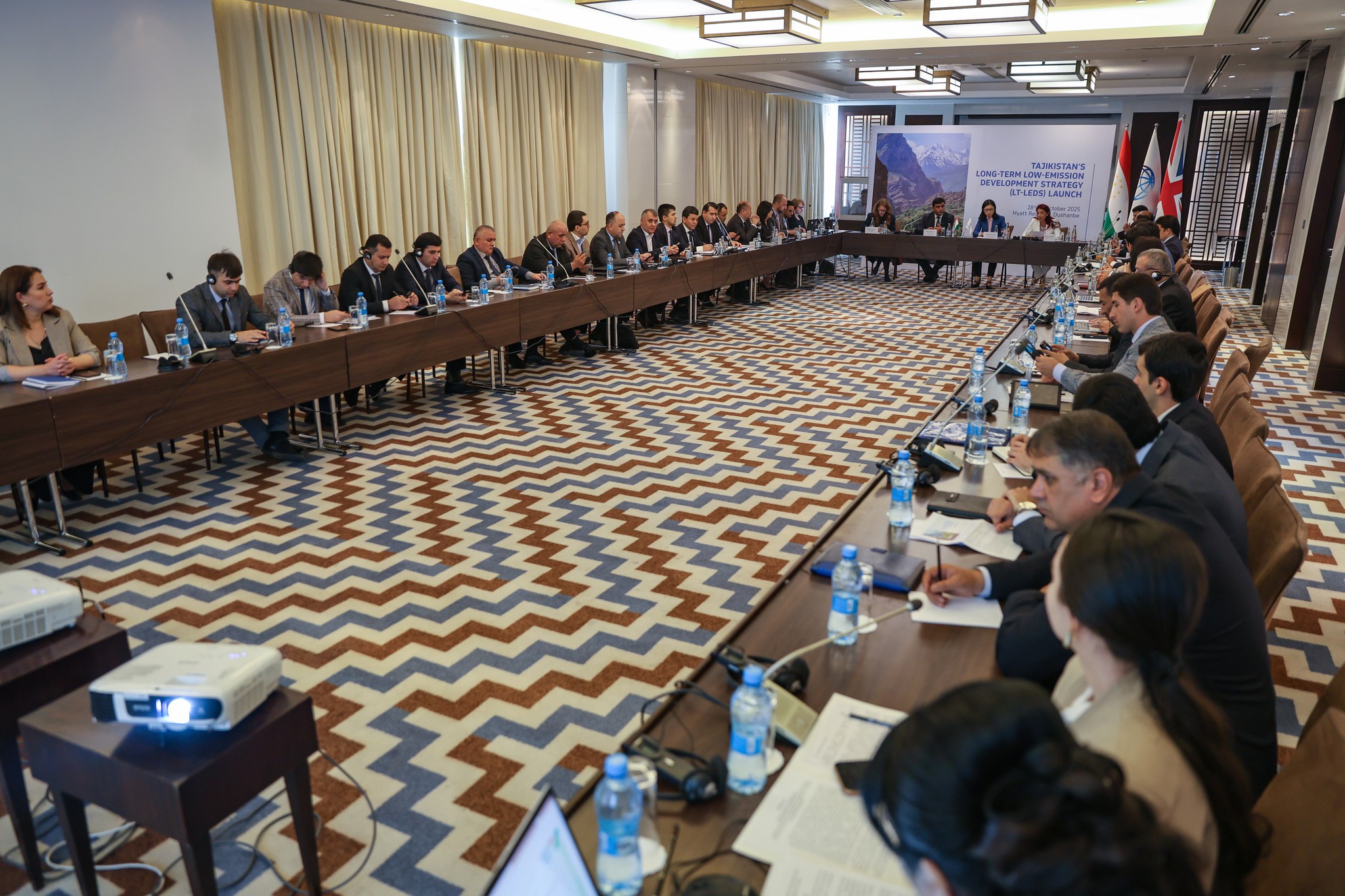
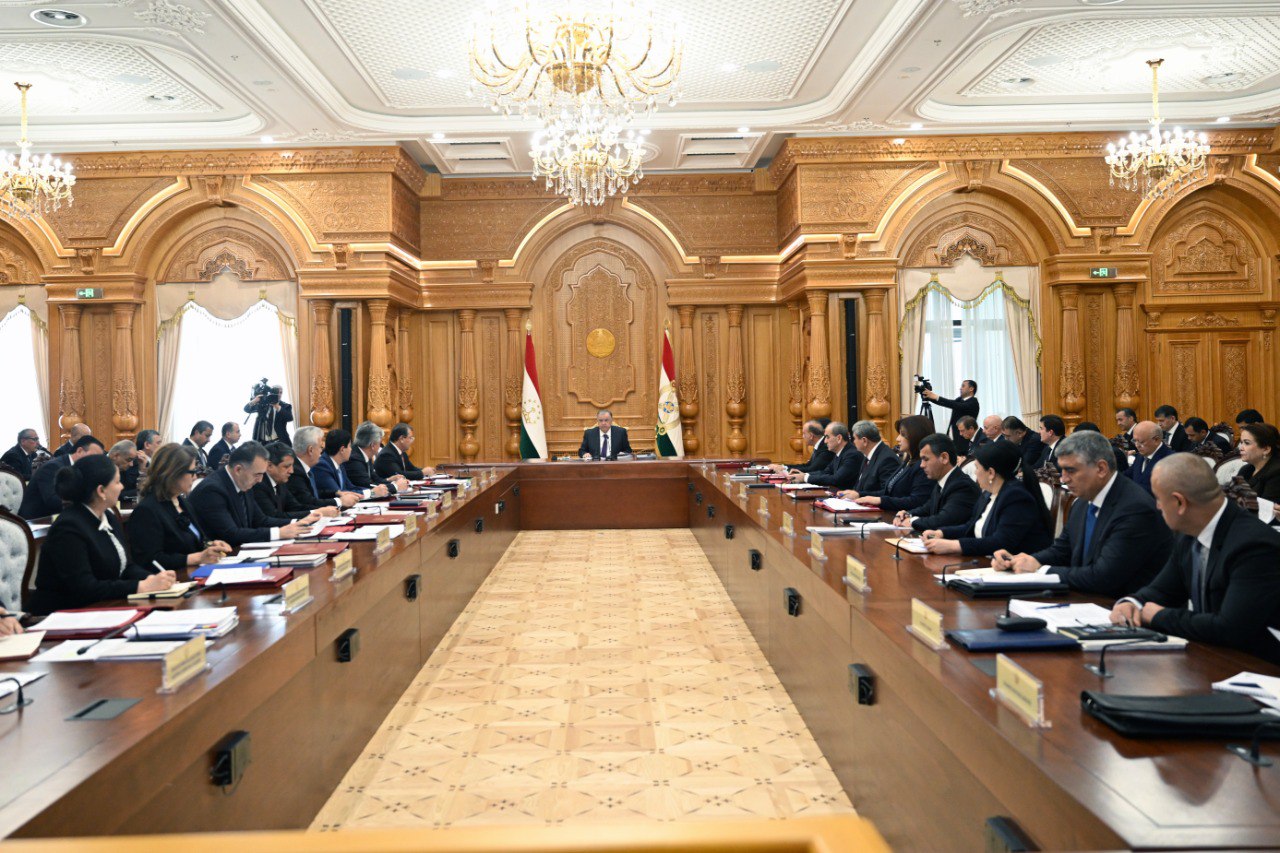
The process of developing a Low-Emissions Long-Term Development Strategy (LTS) has begun in Tajikistan. The official launch of the strategy took place on October 28 at the Hyatt Regency Dushanbe hotel, according to the press service of the Committee for Environmental Protection under the Government of the Republic of Tajikistan.
The event was organized by the Committee for Environmental Protection under the Government of the Republic of Tajikistan and the Ministry of Finance, in collaboration with the World Bank. The strategy being developed will become a key document defining long-term priorities and measures to achieve carbon-neutral and sustainable development in Tajikistan.
The strategic process aims to develop a vision for the country's low-carbon future, taking into account national priorities, international commitments on climate change, and other aspects of sustainable development.
During the official opening, representatives of the Committee on Environmental Protection, the World Bank, and the British Ambassador delivered welcoming remarks. In their speeches, they emphasized the importance of joint efforts to combat climate change, mitigate its negative consequences, protect the environment, adapt to climate change, strengthen economic resilience in the face of climate change, and attract climate-related investments.
The event presented the objectives, structure, and key areas of the future Strategy. Approaches to integrating the strategy with existing national programs and international initiatives, including the Paris Agreement, the National Adaptation Strategy, and the process of updating Nationally Determined Contributions (NDC 3.0), were also discussed.
Participants noted that the development of the Strategy will enable Tajikistan to move from short-term measures to systemic, long-term planning for low-carbon development. This will strengthen the country's position in the international climate dialogue, where Tajikistan already holds a leading position due to its proactive stance on water resources and climate resilience.
As of October 2025, according to the United Nations Framework Convention on Climate Change (UNFCCC), there are 79 long-term low-emission development strategies registered worldwide. Among Central Asian countries, only Kazakhstan currently has an approved strategy.
The Strategy development process in Tajikistan will be carried out in close collaboration with national ministries, experts, the scientific community, and development partners. This will ensure the transparency, inclusiveness, and scientific validity of the proposed solutions.
The launch of the Low-Emission Long-Term Development Strategy process marks an important step for Tajikistan towards a sustainable and green future, where economic growth and climate change adaptation go hand in hand.