Translated with AI
































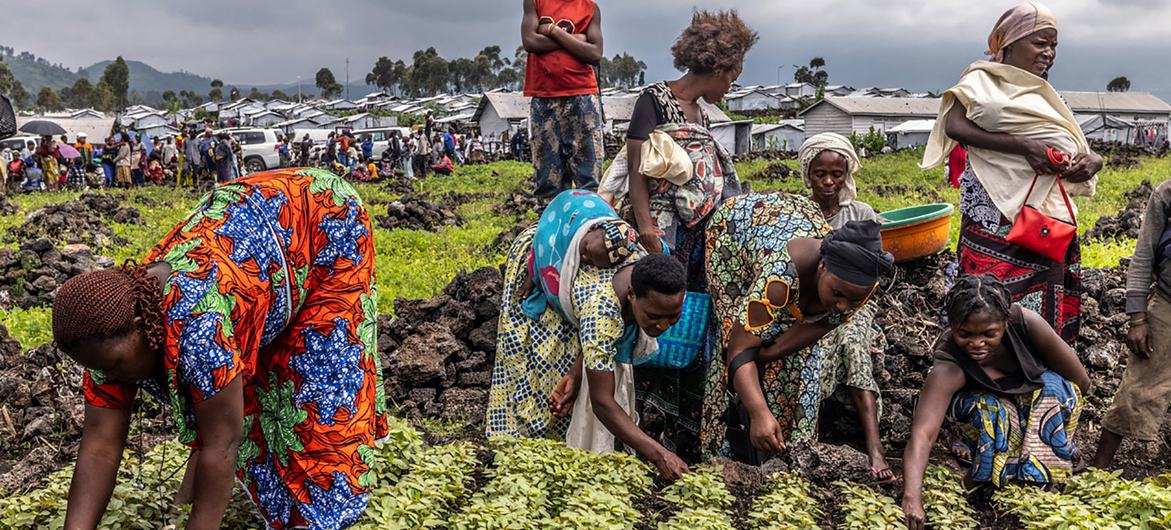
More than 673 million people worldwide – over eight percent of the global population – continue to experience hunger, even though there is enough food on the planet to feed more than 8 billion people, the UN reports.
According to the international organization, armed conflicts, climate change, economic crises, social inequality, and trade disruptions remain the key causes of ongoing hunger. Ahead of World Food Day, celebrated on October 16, experts identified five key drivers of global food insecurity.
1. Conflicts and political instability
Armed conflicts in regions such as Ukraine, Sudan, and the Gaza Strip are disrupting food production, supply chains, and access to markets. These conflicts are leading to massive displacement of people, exacerbating food insecurity.
In Haiti, for example, approximately 5.7 million people—almost half the country's population—experience food insecurity due to violence and forced displacement, with 1.9 million people in an emergency situation. The World Food Programme (WFP) is providing humanitarian assistance, including food supplies, seeds, livestock, and tools for self-sustaining food production.
2. Climate change and extreme weather conditions
Increasing climate instability—droughts, floods, and extreme heatwaves—is undermining farmers' livelihoods and reducing agricultural productivity. In Somalia, Sudan, South Sudan, Mali, Burkina Faso, the Democratic Republic of Congo, Nigeria, and Ethiopia, the combination of climate disasters and conflicts is causing acute food shortages.
Somalia, for example, is experiencing its worst drought in 40 years, further exacerbated by years of armed conflict and mass population displacement. The UN is supporting the implementation of climate-resilient agricultural practices to reduce farmers' vulnerability.
3. Economic shocks and inflation
Global and regional economic downturns, rising food and energy prices, and inflation are reducing people's purchasing power, especially in low-income countries.
The COVID-19 pandemic, the war in Ukraine, and climate shocks from 2020 to 2024 have contributed to rising food prices. This has resulted in many people being unable to afford nutritious food and eating fewer meals. In these circumstances, the UN is expanding the distribution of food rations, nutritional supplements, and cash transfers to support local families and the economy.
4. Structural poverty and social inequality
Deep poverty and uneven distribution of resources limit access to food, particularly in rural and vulnerable communities. Low incomes, inadequate infrastructure, and limited access to social services make it difficult for women, indigenous peoples, and other vulnerable groups to access adequate nutrition.
According to the UN, approximately 700 million people live in extreme poverty, two-thirds of whom live in sub-Saharan Africa. UN organizations are working to strengthen social protection systems by creating sustainable and inclusive models of food security.
5. Trading disruptions and market volatility
Export restrictions, tariffs, and volatile commodity prices make food less accessible and more expensive. Bangladesh, Pakistan, and Sri Lanka, for example, are facing food price volatility and debt crises.
Brazil and Mexico have revised down their economic growth forecasts due to trade tensions and inflation, which are limiting consumer financial options. The UN is coordinating international efforts, monitoring global prices, and providing recommendations to countries to stabilize markets and protect vulnerable populations.