Translated with AI

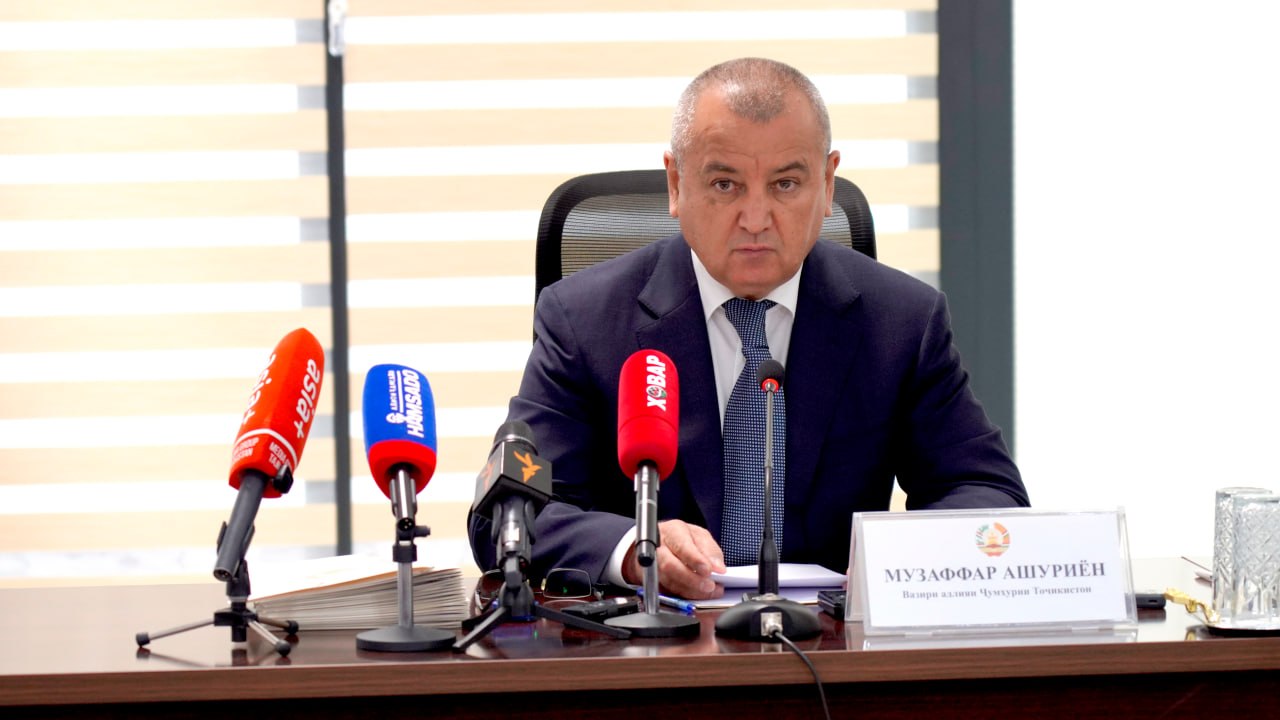

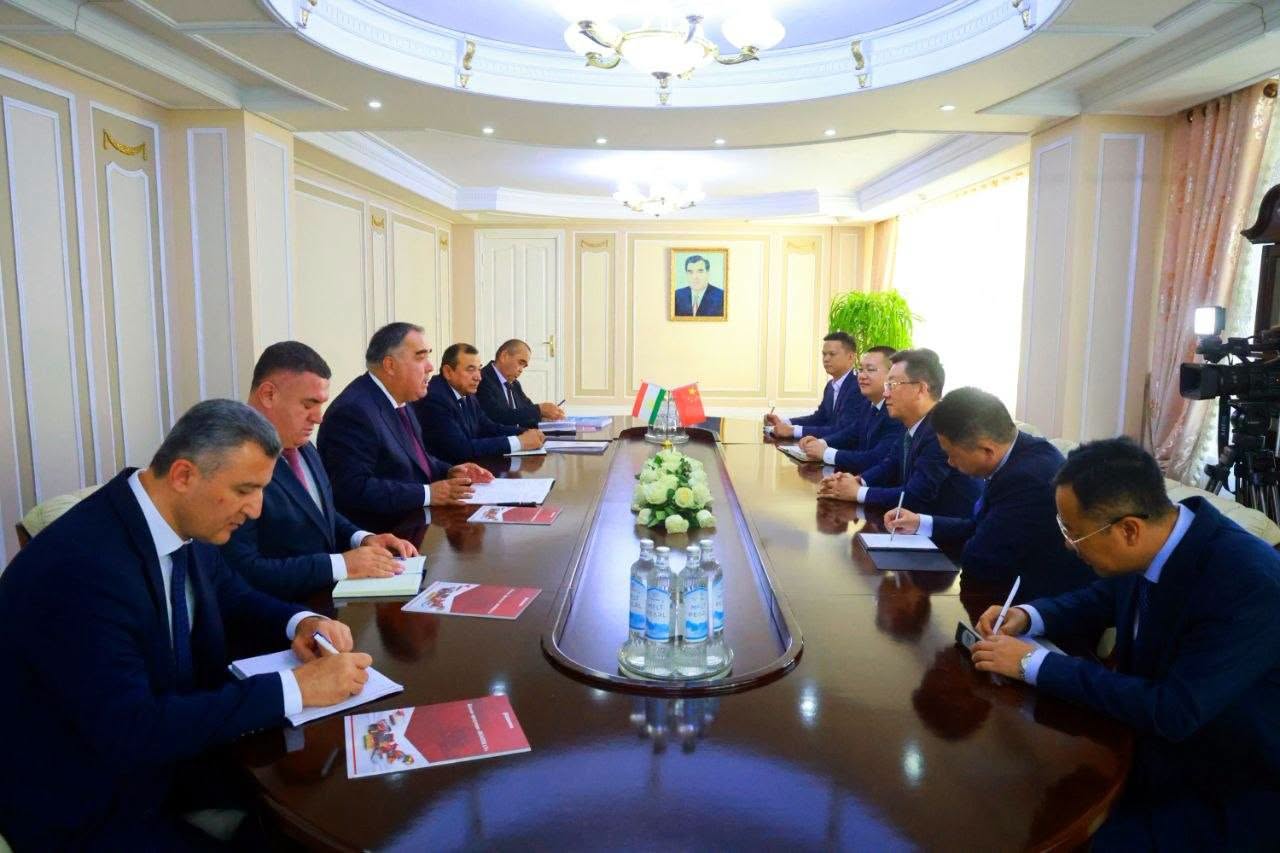
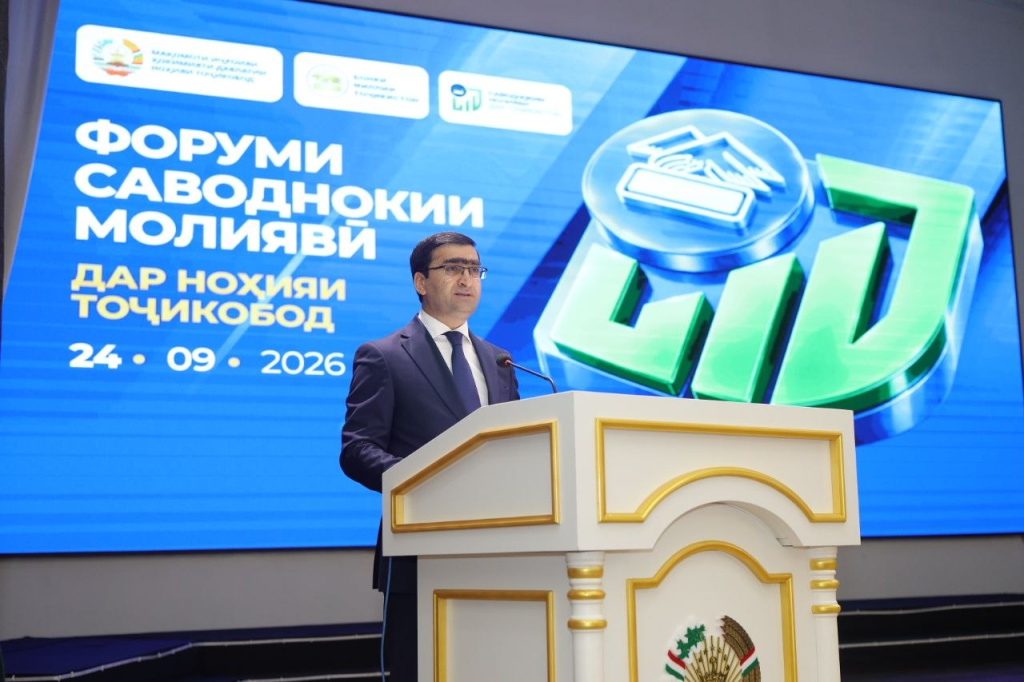
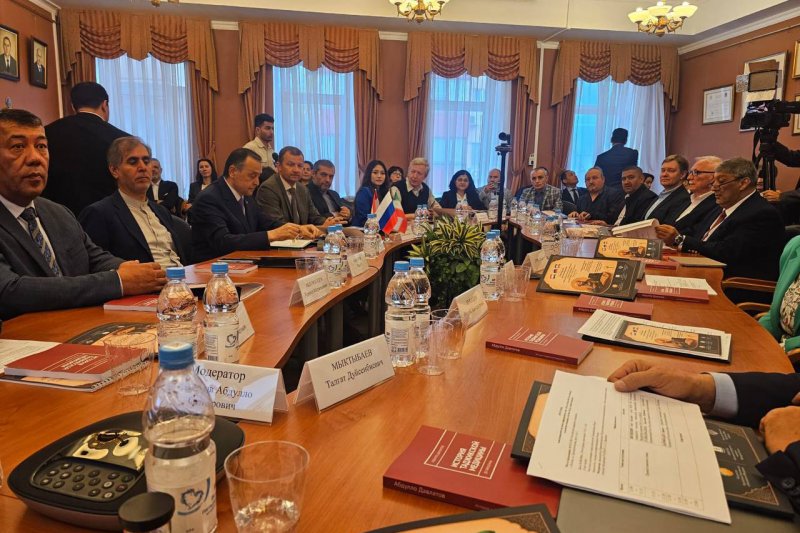

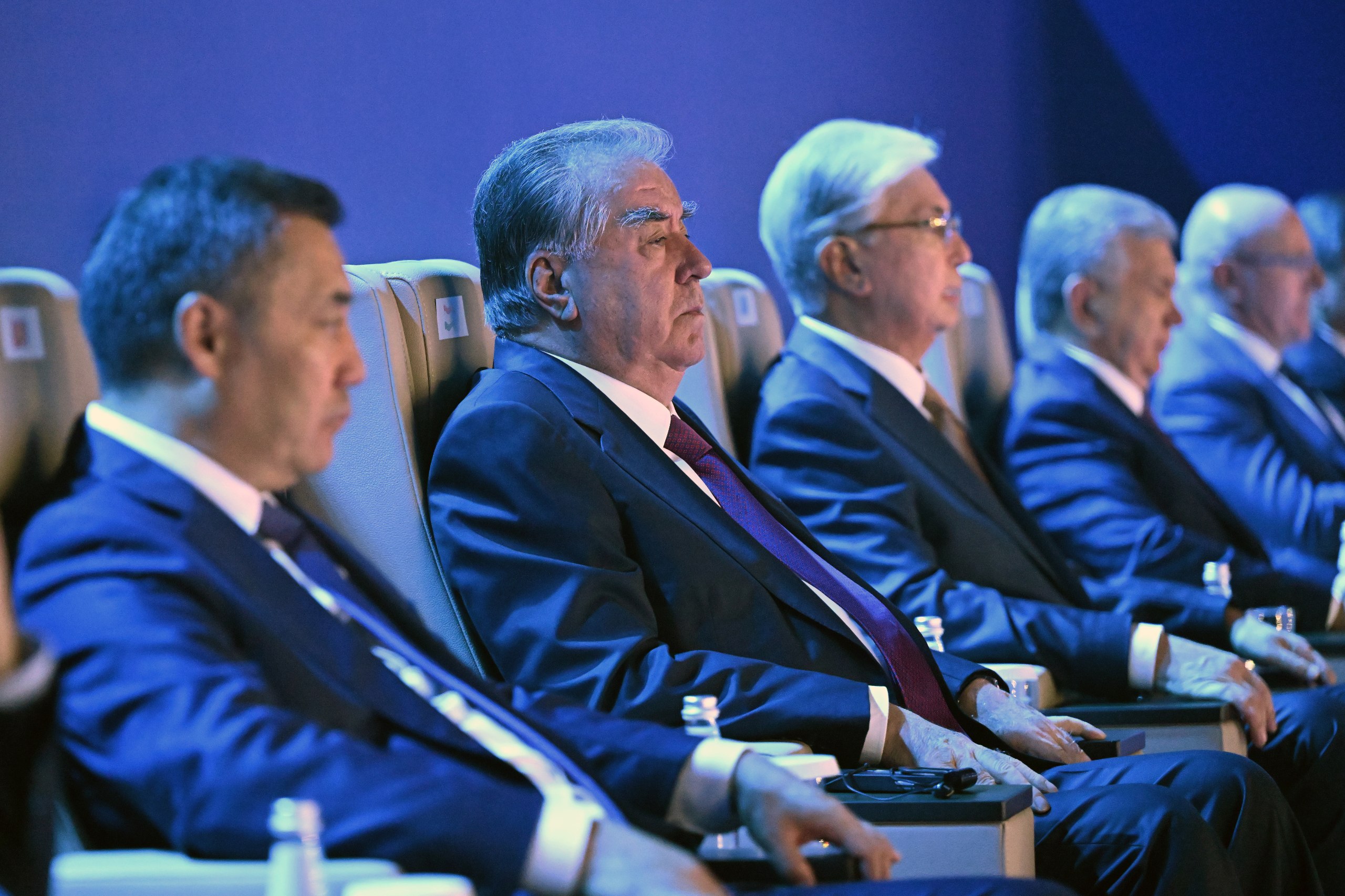



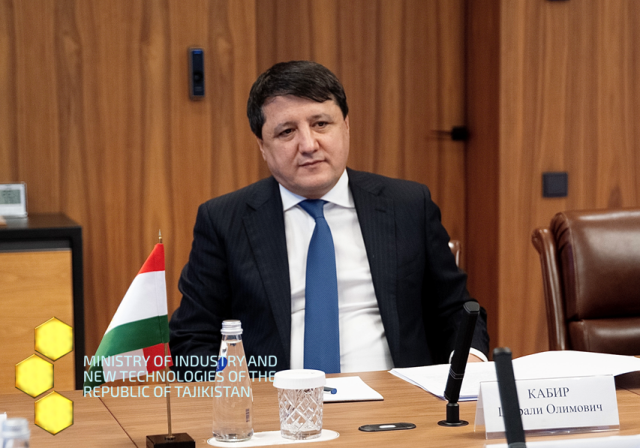
The Republic of Tajikistan possesses reserves of ten of the twelve metals critical for a green transition and is working to develop their production. This was announced by the country's Minister of Industry and New Technologies, Sherali Kabir, on October 14 at the Dushanbe 2025 International Investment Forum.
According to the minister, six of these metals are already produced in the republic. "We have decided to participate in the new rare earth metal supply chain," noted Sherali Kabir. Critical metals for the "green transition" include mineral raw materials essential for the production of key green technologies, such as solar and wind power plants, as well as electric vehicles.
The minister emphasized that in the former Soviet Union, only three rare earth metal production facilities were operating, two of which were in Tajikistan and one in Russia. Negotiations are currently underway with several global companies to modernize these facilities. "I am more than confident that we will achieve very good results in the near future," he added.
Particular attention is paid to elements such as antimony and stibium, which are crucial for the green transition. "Tajikistan positions itself as the second-largest country in terms of antimony reserves. We have four antimony plants in the development stage: some are preparing feasibility studies, others are conducting survey work, and others are already under construction," noted Sherali Kabir.
The minister reported that Tajikistan has already begun producing copper, which plays a key role in the green economy, and intends to significantly increase its production by attracting investment. Gold production is growing at an annual rate of approximately 20%. Furthermore, the country has large reserves of nickel and lithium. "We will be the first country in the CIS to produce lithium," the minister stated.
Sherali Kabir emphasized that Azot and Talco Gold are viewed not only as regional players but also as part of a global policy on critical metals. He added that the country has state programs for developing the mining sector and expressed confidence that Tajikistan will soon secure a prominent place in the market for metals essential for the green transition.
The minister noted that the international sector is the main driver of development in the metallurgical industry, and new supply chains for rare earth and critical metals are essential to stabilizing the global market. The president defined the fourth national strategy as a path to rapid industrialization, which has led to Tajikistan's industrial sector doubling in size over the past five years.