Translated with AI























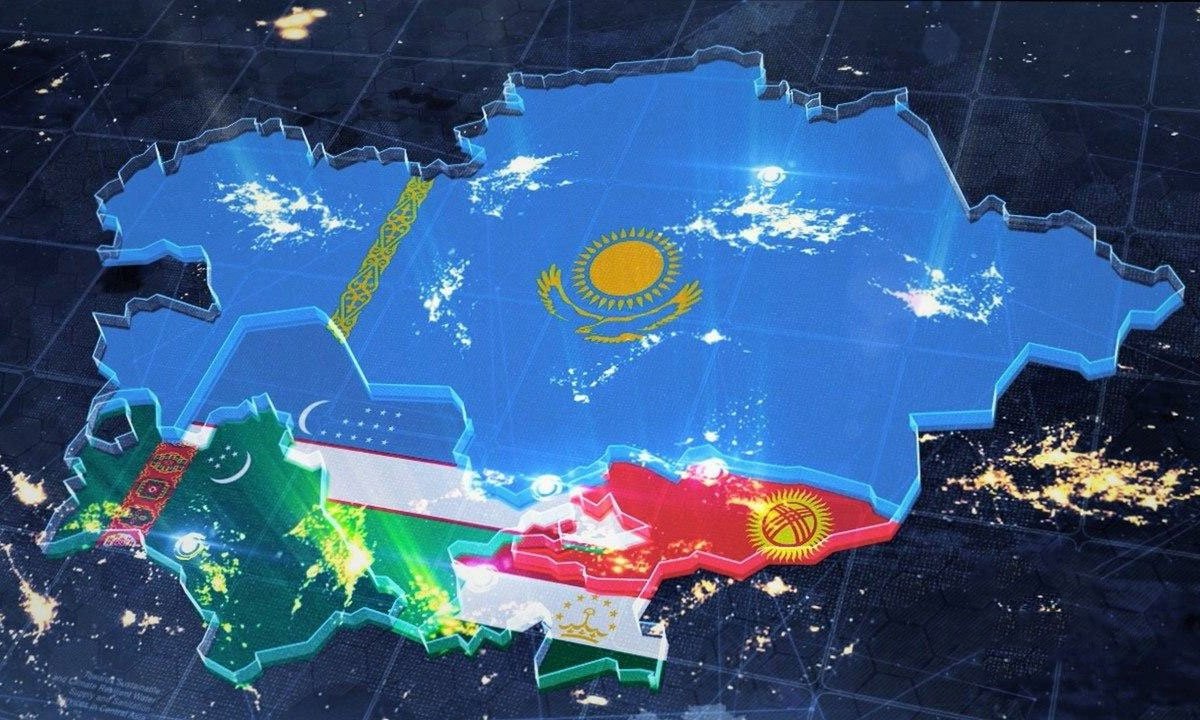
Central Asia today is one of the most dynamic hubs in Eurasia: interstate ties are rapidly growing, industrial chains are forming, logistical interconnectivity is strengthening, and a modern regulatory framework for long-term cooperation is being created. In the lead-up to the Russia–Central Asia Summit, the real economy is setting the agenda: countries in the region share common interests in infrastructure, industry, energy, and technology, and corridors from the Caspian to the Tien Shan are becoming the framework for the future Eurasian industrial map.
The example of Uzbekistan reflects the dynamics of the entire region
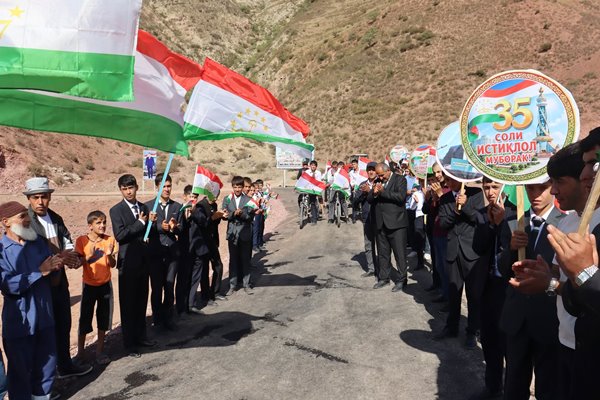
Uzbekistan's interactions as a key regional player demonstrate the progressive development of Central Asia. Trade and investment are expanding, and agreed standards and logistics innovations are being implemented. The "open door" policy is underpinned by a robust legal framework with all neighbors: free trade and investment protection with Kazakhstan, a declaration of eternal friendship with Tajikistan (2022), transport and railway agreements with Turkmenistan, and a strategic program with Kyrgyzstan through 2030. This architecture has provided markets with transparency and predictability, accelerating trade growth and investor confidence.
Uzbekistan – Kazakhstan: Market Integration
The "law-logistics-business" link with Kazakhstan is fully operational: from January to August 2025, trade turnover reached $3.03 billion (+15%). This was facilitated by the removal of barriers and deeper cooperation. The Intergovernmental Commission and the Samarkand Forum secured projects worth over $7 billion and trade agreements worth $700 million. Over 1,100 enterprises with Kazakh capital are registered in Uzbekistan, and approximately 5,500 with Uzbek capital in Kazakhstan. This is already an end-to-end chain economy.
Uzbekistan – Tajikistan: Trade and Investment Bridge
Transport and tariff policies are accelerating integration. In 2025, Uzbek exports to Tajikistan showed double-digit growth, rail transit is provided with preferential rates of up to 55%, and total freight traffic in 2024 was approximately 10 million tons. Air travel (four flights per week) and the Dushanbe-Tashkent passenger train have been restored. An Uzbek-Tajik investment company with $100 million in capital is establishing a "bridge" for joint ventures.
Uzbekistan – Turkmenistan: East-West/North-South Corridors
In 2024, trade turnover exceeded $1.14 billion, and energy imports are rapidly growing. The Shavat-Dashoguz border trade zone is being established, with total freight traffic reaching 1.11 million tons. The localization of Turkmen railcar repairs in Andijan is an example of industrial cooperation. Around 200 companies with Turkmen capital operate in Uzbekistan, ranging from construction materials and furniture to textiles and agriculture.
Uzbekistan – Kyrgyzstan: Strategic Framework
The Comprehensive Partnership and the 2030 Program have created a roadmap for business. From January to August 2025, trade turnover reached nearly $600 million (+12-13%), with Uzbekistan's exports growing and imports from Kyrgyzstan increasing by more than a third. This smooths out seasonality and strengthens logistics. In early 2025, rail shipments showed double-digit growth, and Uzbek producers' exports to Kyrgyzstan increased by almost 80%. The Border Regions Council and the "Forum of Regions" format are active.
Regulatory Framework: How Rules Transform into Growth
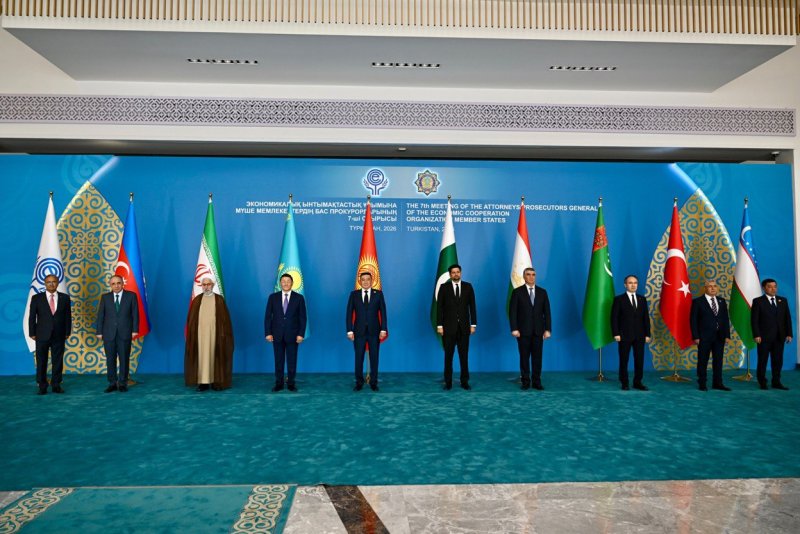
Growth in the region is driven not only by trade figures but also by the "rules of the game." A CIS free trade area protocol is in effect with Kazakhstan, integrating national practices. With Tajikistan, the 2022 declaration facilitates the launch of joint projects. With Turkmenistan, agreements for the North-South and East-West corridors are critical. More than 200 agreements with Kyrgyzstan reduce transaction costs, and the intergovernmental commission and plans through 2030 eliminate bottlenecks.
Instead of a conclusion
Today, Central Asia represents a synergy of established projects and growing markets. Uzbek-Kazakh cooperation and forums with billion-dollar packages provide foreign companies with access to joint clusters, component localization, and the service industry. Advanced competencies in energy, transportation, certification, digital logistics, and many other sectors are in demand here.
Central Asia is shifting from "geography" to "economics": integrated rules, transport corridors, growing investment, and interregional cooperation formats are transforming the region into a new center of power. Russia, by bringing a pragmatic agenda to the summit, can cement long-term partnerships in energy, transport, and digital services. Uzbekistan's example demonstrates how a contractual framework, intergovernmental commissions, and tariff decisions can trigger growth.
Ervin Turgunov – Head of Department of the Ministry of Investment, Industry and Trade of the Republic of Uzbekistan