Translated with AI




























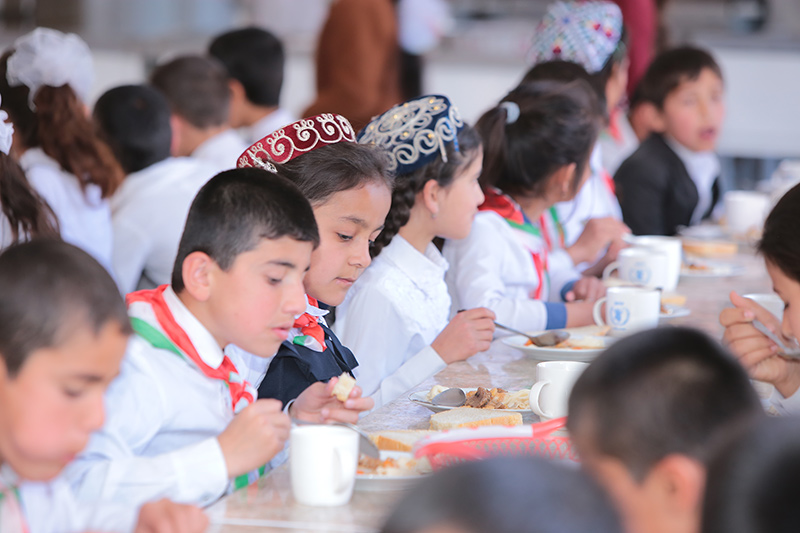
The number of children receiving school meals through government programs has increased by nearly 80 million compared to 2020—an increase of 20 percent—to 466 million. This is according to the latest edition of the World Food Programme (WFP) report, "The State of School Feeding in the World." The report presents data for the first time demonstrating that such programs contribute to improving not only the number of children attending school but also the quality of their education, the UN press service reports.
Overall, nearly half of all children receiving school meals live in Brazil, Russia, India, China and South Africa.
Investments in development
Yet the biggest progress was seen where it was most needed: in low-income countries, the number of children receiving school meals increased by 60 percent in two years.
"School lunches are much more than just a nutritious meal. For vulnerable children, they are a pathway out of poverty and into education and opportunity," emphasized WFP Executive Director Cindy McCain.
According to the WFP, funding for school feeding globally has more than doubled, from $43 billion in 2020 to $84 billion in 2024. Ninety-nine percent of this funding comes from national budgets. This demonstrates that school feeding is increasingly being viewed not as an external aid program, but as a public policy tool and a factor in national development. Since 2020, the number of countries that have adopted national school feeding strategies has almost doubled, from 56 to 107.
The fastest growth rates are being seen in countries participating in the Global School Feeding Coalition, which brings together more than 100 governments, six regional organizations, and over 140 partners from various sectors.
Social and economic benefits
The report presents the first data demonstrating that school meals contribute to improved education quality, specifically leading to improved math and literacy scores. School meals have previously been shown to increase attendance and reduce dropout rates. The new study demonstrates that such programs are also a highly effective tool for improving learning quality, often outperforming measures such as teacher training or technology.
The school feeding program is the largest social protection measure in the world, helping countries cope with the impacts of climate crises, pandemics, and conflicts, and supporting the most vulnerable children. Furthermore, feeding programs create over 7 million jobs for cooks and provide employment in logistics, agriculture, and supply chains.
Moreover, according to WFP estimates, every dollar invested generates between $7 and $35 in economic returns. Sustainable models, such as using locally grown produce, contribute to the development of sustainable diets, the development of local food systems, and the strengthening of national economies.
School meals have particularly significant benefits for girls – in terms of health, education, and future opportunities. Women are also supported by expanding their roles in supply chains and employment, such as as cooks.
The WFP report was published ahead of the Second Global School Feeding Summit, which will take place on September 18–19 in Brazil and will serve as a platform for summing up progress and agreeing on next steps.