Translated with AI


































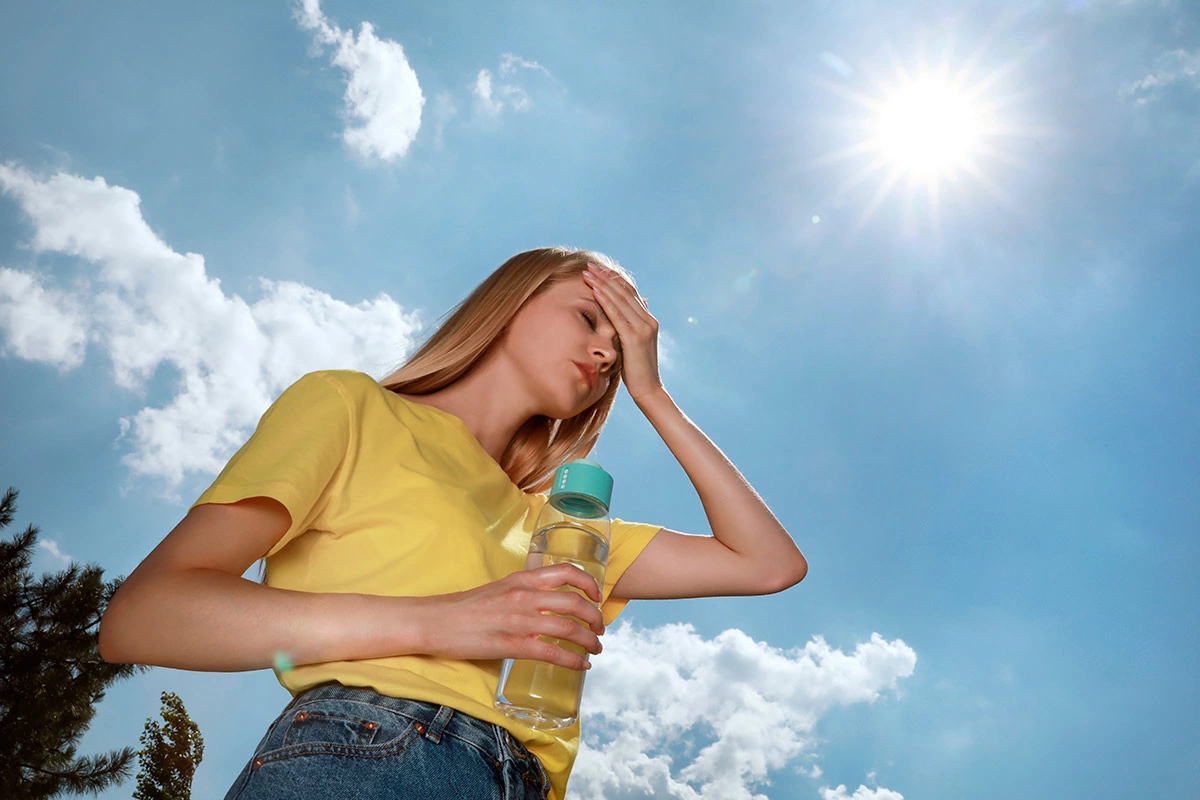
According to the World Meteorological Organization, in 2024, global temperatures exceeded pre-industrial levels by 1.5°C for the entire year for the first time, making it the hottest year in the 175 years of record-keeping. Moreover, there is an 80% chance that the 2024 record will be broken within the next five years, according to the UN press service.
Hundreds of millions of people worldwide earn their livelihoods by working outdoors, and a significant portion of these people are employed in agriculture. Heat stress, when the body is unable to cool itself, can lead to various pathological conditions.
Sweating is not harmful!
What is heat stress? It occurs when the body is unable to effectively dissipate heat. Our body regulates body temperature through sweating. So, don't treat it as some kind of inconvenience! The human body functions best at a core temperature of 37°C (98.8°F). When body temperature gets too high or too low, internal organs don't function as efficiently.
Heat stress affects people differently: some are more susceptible than others. Knowing the dangers of heat stress can protect your health—or even save your life.
If you didn't know about this, don't worry! The Food and Agriculture Organization of the United Nations (FAO) has prepared a comprehensive publication on this topic, and below are three key points.
How Heat Affects the Body and Mind
Our body converts food into energy, but only a small portion is used for functional purposes. The remaining energy is converted into heat, which is dissipated into the external environment through the circulatory system and skin. In hot weather, this is achieved through sweating.
However, everyone sweats differently. If a person sweats very little, they are at greater risk of heat stress. Furthermore, those who work outdoors for long periods, such as agricultural workers, are more susceptible to heat stress.
Overheating negatively impacts not only the body, but also a person's mood and actions, resulting in an increased risk of non-compliance with safety regulations and accidents.
When the body cannot cool down sufficiently and begins to accumulate heat, various pathological conditions arise due to overheating.
The most common illness caused by overheating is heat exhaustion. Sweating reduces blood volume, which puts strain on the circulatory system, which must work harder to supply blood to the muscles and skin to cool the body. This can lead to dehydration and eventually heatstroke.
The most severe condition caused by overheating is heatstroke, which can be life-threatening if not treated promptly. It often occurs after prolonged physical exertion in the heat. Those at risk include those who are not acclimated to the heat, those who are not physically fit, those who are obese, or those with cardiovascular disease. Alcohol consumption also increases the risk.
The mortality rate due to heat-related conditions among agricultural and forestry workers, fishermen and hunters is much higher than the average among the working-age population.
Be able to recognize the symptoms
Do you feel extremely thirsty in hot weather? This is your body's way of sending a signal to your brain that you need to drink more fluids.
Watch for signs of dehydration: flushed skin, muscle fatigue, nausea, severe dry mouth, and dizziness. Dehydration can be easily identified by the color of your urine. If your urine is dark yellow, you likely need to drink more water.
People typically replace only half to two-thirds of the fluid they lose, unknowingly exposing themselves to the risk of dehydration. This increases the risk of heat-related conditions and reduces performance.
Hot, dry skin can be a symptom of heat stress, while low blood pressure and increased heart rate, along with an increased risk of fainting, can indicate heat exhaustion. A person experiencing heat exhaustion is likely also severely dehydrated, fatigued, dizzy or nauseous, and suffering from a headache. They should immediately move to a cool place, rest, and drink water.
However, if a person drinks large amounts of water but doesn't replace the salts lost through sweating, they may experience heat cramps. In this case, salt tablets or salted liquids can help.
Take action
Don't forget to drink water—it's the key to preventing heat stress. The amount of fluid needed to avoid dehydration depends on your activity level and the climate.
A person performing light work in cool conditions should drink, on average, about two liters of water per day. In more challenging conditions, this may require up to 15 liters of fluid per day. It's better to drink regularly and in small amounts rather than large amounts all at once.
Avoid coffee, tea and alcohol as they contribute to dehydration.
In hot weather, it's also recommended to wear thin, light-colored clothing. To avoid sunburn and reduce the risk of skin cancer, it's important not only to protect your skin from the sun but also to consider the fabric's composition: it affects how well the clothing retains heat and wicks away sweat. For example, cotton clothing is highly permeable and wicks moisture away from the body.
Heat stress can affect anyone, regardless of age. With global temperatures rising, remembering to drink plenty of fluids and protect yourself from the sun can be crucial for your health!