Translated with AI


































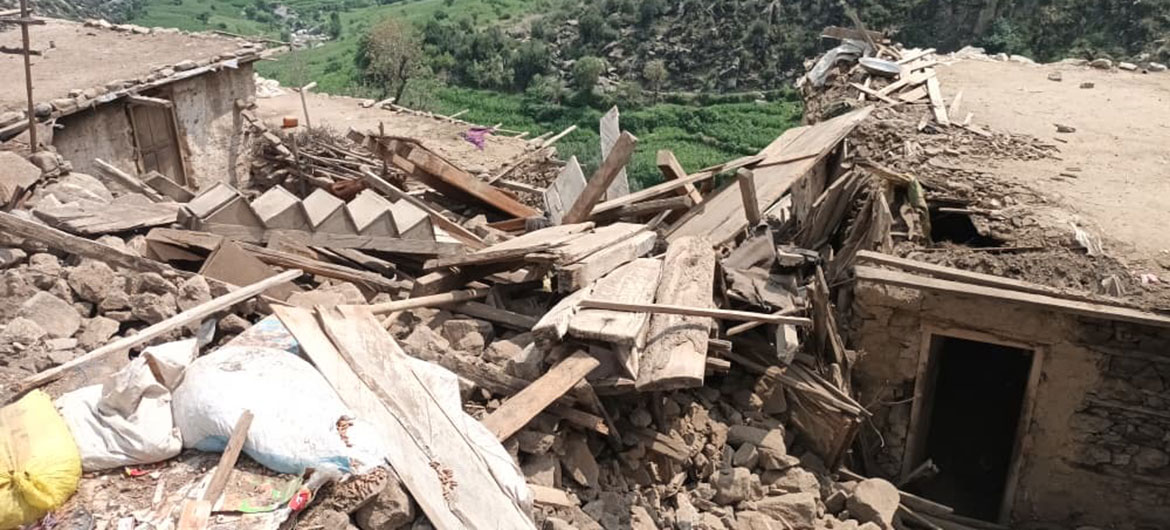
The death toll from the devastating earthquake in Afghanistan has reached 2,205, with another 3,640 injured. In total, approximately 84,000 residents were injured, and 6,700 homes were completely destroyed, according to the United Nations (UN) press service, citing data from the country's de facto authorities.
A powerful earthquake struck last Sunday, affecting the provinces of Kunar, Nangarhar, and Laghman. Roads and bridges were destroyed, hampering access to essential services, and dozens of water sources were destroyed. Recent flooding has exacerbated the drinking water shortage.
The UN and its partners have already assessed the impact of the natural disaster in 25 villages. Despite difficulties with transport logistics and limited communications, humanitarian organizations are actively increasing their assistance. Six tons of high-energy biscuits have been delivered to the affected areas, and 20 mobile medical teams have been deployed. Hospitals have received 23 tons of medications and medical supplies, enough to treat over 2,000 patients, as well as 24,000 units of intravenous fluids. The World Food Programme has opened a new humanitarian center in Nurgal.
The International Organization for Migration began distributing food and essential goods and building sanitary facilities for 200–500 families. The medical team at the Kunar Vaccination Center conducted 120 outpatient consultations, including trauma care, and referred victims to nearby hospitals.
UN High Commissioner for Refugees Filippo Grandi emphasized that the earthquake has affected more than half a million people. He noted the importance of support from international donors, including Pakistan, and called for a temporary suspension of the law on the repatriation of illegal aliens, given the dire humanitarian situation in Afghanistan.