Translated with AI










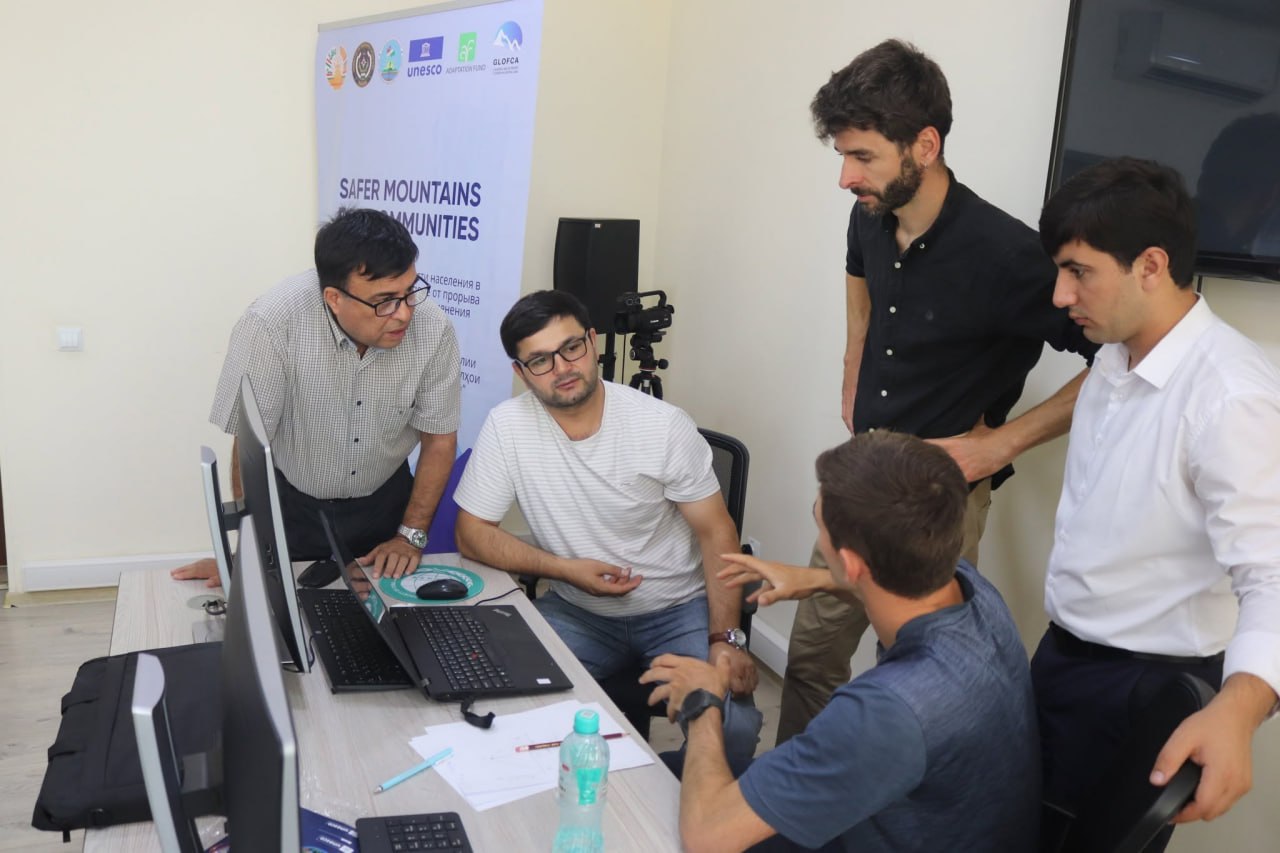




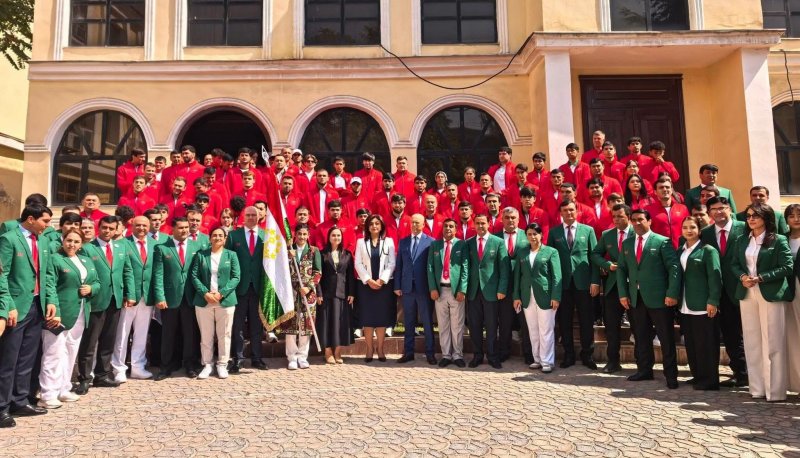









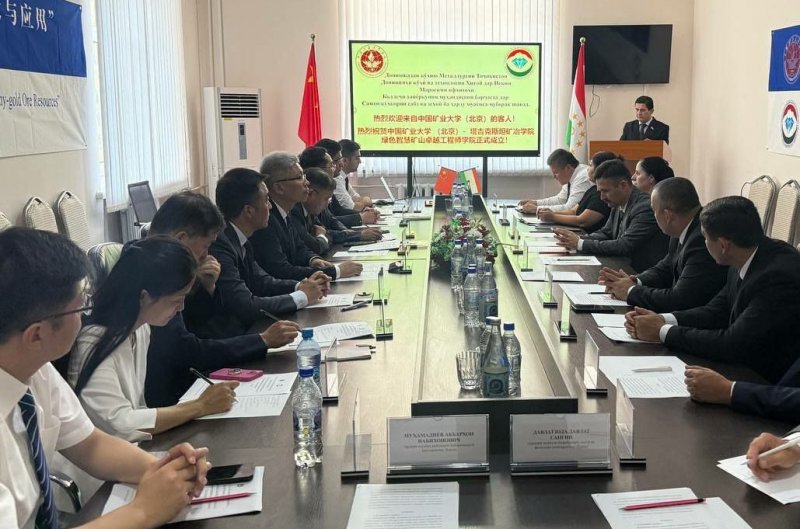
Scientists from the Mining and Metallurgical Institute of Tajikistan, together with colleagues from the Beijing University of Mining and Technology, China, have developed a project titled "Advanced, Efficient, and Environmentally Friendly Technologies for the Beneficiation and Metallurgy of Refractory Gold-Antimony Ores," which has successfully passed a competitive selection process, according to NIAT Khovar.
The project aims to develop effective technologies for the enrichment and metallurgy of complex gold-antimony ores, as well as to introduce modern scientific advances into the mining and metallurgical industry of Tajikistan.
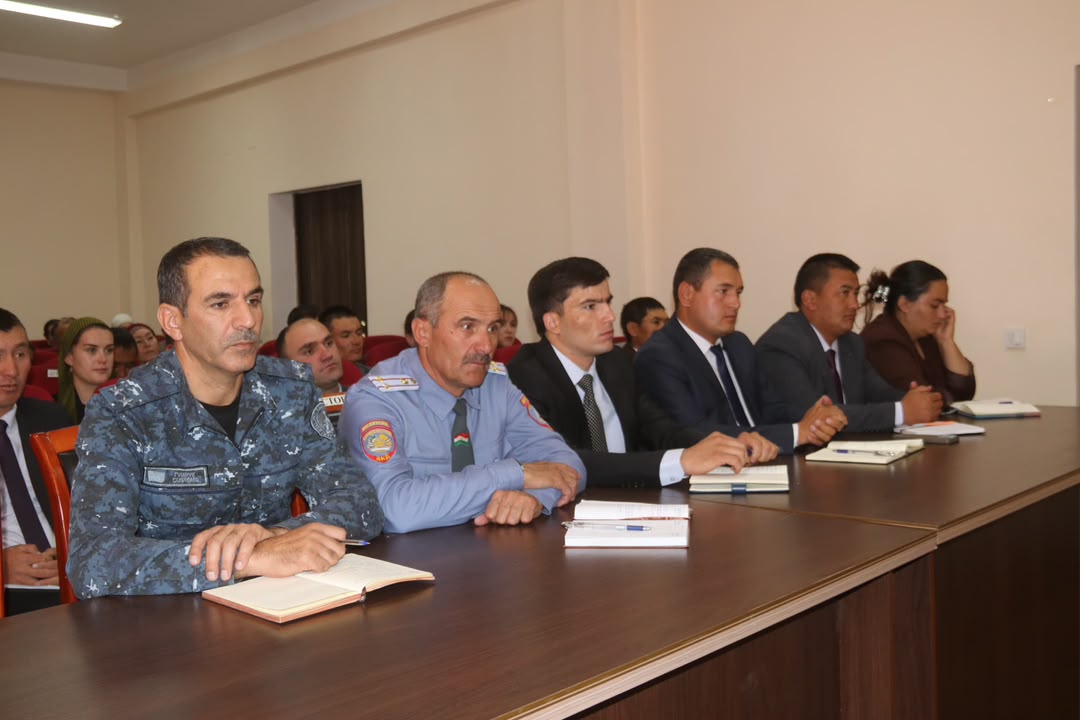
On August 21, a symposium dedicated to state research programs and intergovernmental cooperation in science, technology, and innovation was held at the Mining and Metallurgical Institute of Tajikistan with the participation of Chinese specialists.
An Yu, Deputy Vice-Rector of the Beijing University of Mining and Technology, emphasized that the project creates a platform for exchanging experiences and strengthens scientific and technical cooperation between the two countries' universities. He noted that Tajikistan and China possess significant antimony and gold reserves, and geological exploration and ore processing are actively developing. The project includes plans for scientific and industrial cooperation with Talco Gold, a company engaged in the processing of antimony and gold-bearing ores.
Bakhtiyor Mahmadali, Rector of the Mining and Metallurgical Institute of Tajikistan, reported that the country ranks third in the world and first among the CIS countries in terms of confirmed antimony reserves. The main reserves are concentrated in the Zarafshan-Gissar mercury-antimony belt, including the Dzhizikrut and Konchoch deposits.
He recalled that construction of the Talco Gold processing plant at the Konchoch deposit began in 2018, and the plant was commissioned in 2022 with the participation of Tajik President Emomali Rahmon. The total investment amounted to $138 million.
Deng Jiushuai, Vice Dean of the Faculty of Chemistry and Environmental Engineering at Peking University, noted the importance of training highly qualified mining engineers and implementing "green" ore processing technologies. As part of the joint project, a College of Advanced Engineering Training in Intelligent Mining Technologies will be established at the Mining and Metallurgical Institute of Tajikistan.
Symposium participants emphasized that the project's implementation will enhance the institute's research potential, improve the processing of refractory ores, and train qualified specialists for the mining and metallurgical industry.