Translated with AI

































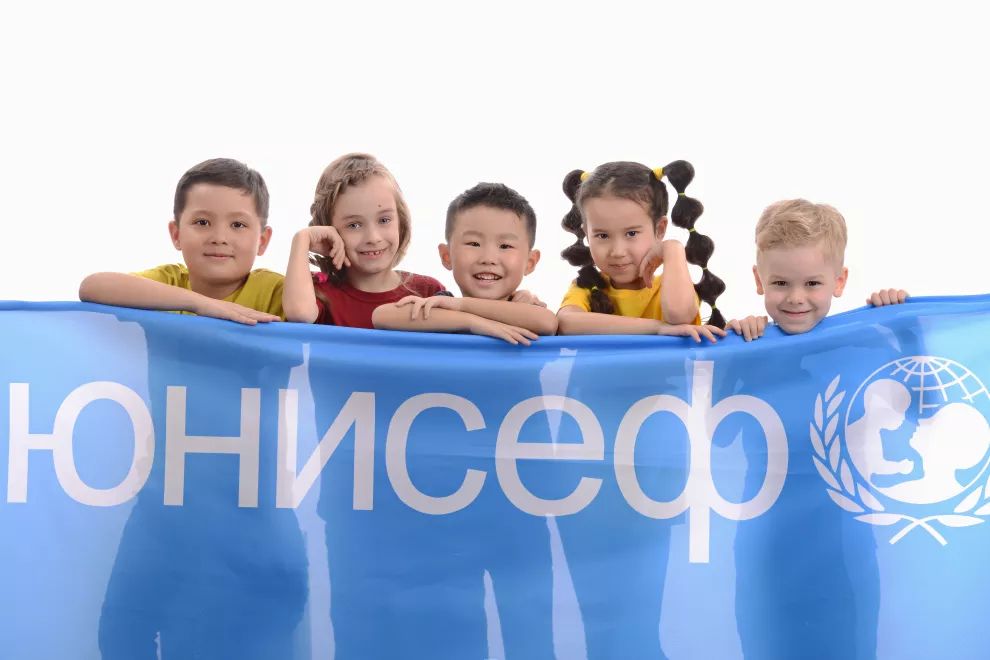
The United Nations Children's Fund (UNICEF) has presented a strategy aimed at inclusive support for 10.8 million children with disabilities in Europe and Central Asia. The document, entitled "The Path to Inclusion," defines key priorities for work and sets a long-term goal of completely eliminating the institutionalization of children with disabilities by 2030, the UN press service reports.
UNICEF's vision is that every child with a disability lives in a community that accepts them, protects them, thrives, learns, is included and has a voice.
Barriers and challenges
Despite progress on children's rights, millions of children with disabilities in the region face multiple barriers, including discrimination and stigma: in many countries, parents are afraid to seek help due to bias and judgment.
The region still has a high level of institutionalization: children with disabilities are 30 times more likely than others to end up in boarding schools, where they are deprived of full care and are exposed to the risks of violence. Children with disabilities are more likely to become victims of violence and abuse, often associated with their isolation.
The Children's Fund also reports limited access to education: according to UNICEF, more than 260 thousand children in the region study in specialized schools isolated from the general educational process.
Most countries in the region have a lack of assistive technology: there is no systematic supply of equipment to support communication, hearing or vision.
In addition, there are significant gaps in social protection: even where benefits exist, they often do not cover the real needs of families.
UNICEF's Five Priorities
Under the new strategy, UNICEF will focus on five areas. First, protection: developing family-based care and supporting communities. The second area is reforming education systems with an emphasis on inclusion and adaptation of schools. The third priority is health and development, introducing systems for early detection and support of children with special needs. UNICEF's strategy also includes expanding social protection and involving children and adolescents with disabilities in public life.
Successful examples
UNICEF supported the Moldovan government in implementing reforms aimed at closing all specialized boarding schools and redistributing resources in favor of family-based care and inclusive education in regular schools for children with disabilities.
As a result of these reforms, the number of children with disabilities in formal residential care fell by 95 percent between 2009 and 2021, and all of Moldova’s mainstream schools became inclusive. Some of the former specialized schools were re-equipped to provide services to children with disabilities in their communities.
In Serbia, the “Learning Together” program is being implemented, aimed at retraining teachers and developing an individual approach to the education of children with disabilities.
In Kazakhstan, Ukraine and Uzbekistan, UNICEF empowers adolescents with disabilities by training them in information and communication and other skills that improve their chances of employment.
Economic return
According to UNICEF, every dollar invested in assistive technology yields a $9 economic return, and investments in the education of children with disabilities can pay off two to three times better than regular education programs.
UNICEF's new strategy will serve as a guide for governments, international organizations and civil society as they strive to ensure equal opportunities for all children, without exception.