Translated with AI







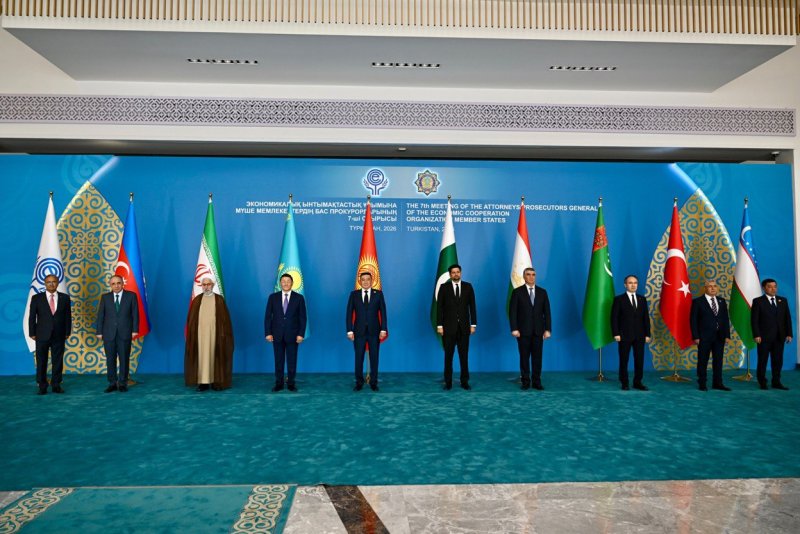

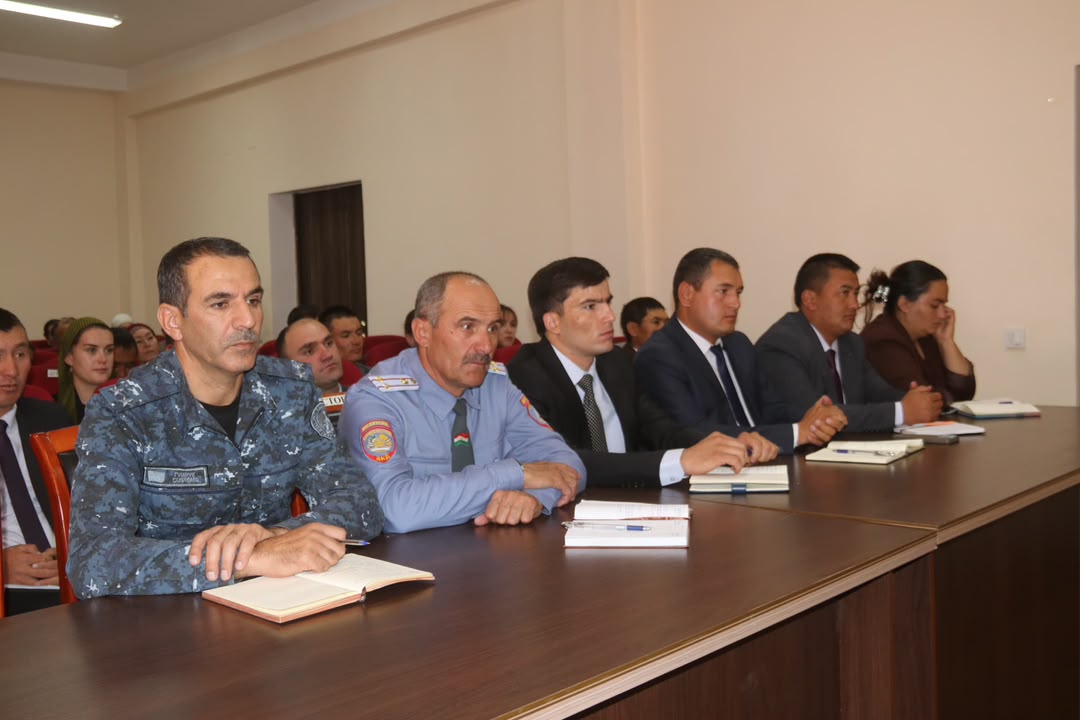














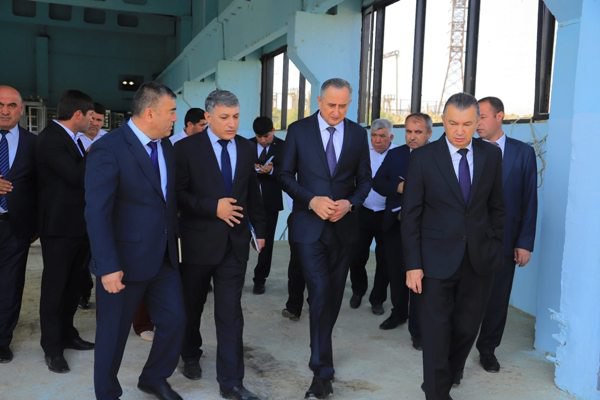
On July 22, 2025, the First Central Asian International Economic Forum was held in Dushanbe, organized with the support of the Russian-Tajik Business Council, the Dushanbe administration, the International Center for Regional Integration and the Roscongress Foundation, the press service of the CIS Executive Committee reported.
The forum was attended by over 500 representatives from Central Asian countries and Russia: officials, scientists, businessmen, international experts and journalists. The program included five thematic blocks: technologies and infrastructure of the future, scientific cooperation and transport and logistics connectivity, digital entrepreneurship, sustainable development and trade, as well as culture, media and creative industries.
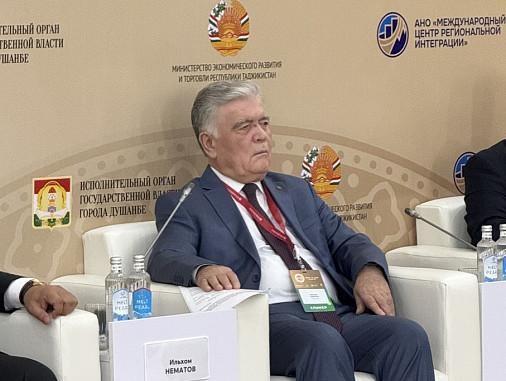
Deputy Secretary General of the CIS Ilkhom Nematov spoke at the session “Central Asia as a Region of New Views and Formats of Interaction,” where he noted the importance of holding the forum in Dushanbe, the capital of Tajikistan, a country that will chair the CIS in 2025.
“This year, Tajikistan is taking an innovative approach to the development of the CIS, focusing on economic, environmental, cultural and humanitarian cooperation, as well as strengthening inter-parliamentary ties,” Nematov emphasized.
He spoke about plans to hold a joint high-level CIS and UN event on the sidelines of the UN General Assembly in September 2025, which will happen for the first time in the history of the organization.
Nematov also emphasized the active role of Tajikistan in the CIS integration processes: the country regularly hosts meetings and participates in the work of all bodies of sectoral cooperation of the Commonwealth, demonstrating a high level of representation and activity.
“Central Asia is a region of global transformations, where, thanks to the political will of the leaders, trust, friendship and good neighborliness have been established, which has made it possible to resolve a number of complex issues – borders, water use and transport infrastructure,” said the CIS Deputy Secretary General.
He noted the growth of the region's economic potential: the Central Asian economy is growing by 6.2% per year, compared to the world average of 2.6%. The region's GDP has increased from $273 billion to almost $500 billion, and foreign trade has more than doubled, from $112 billion to $253 billion.
Nematov spoke about the cooperation of the CIS with such Eurasian associations as the SCO, the Union State of Russia and Belarus, the EAEU and BRICS, noting their successful development and positive impact on the economies and citizens of the regions.
Particular attention was paid to the role of the SCO as a factor in regional security and sustainable development, based on the memorandum between the CIS Executive Committee and the SCO Secretariat.
In conclusion, the CIS Deputy Secretary General emphasized the relevance of the concept of the Greater Eurasian Partnership, which could become a key driver of a multipolar world, uniting the efforts of the CIS, SCO, BRICS and the EAEU to create a single space for development and stability.