Translated with AI

































According to the latest report of the International Council on Clean Transportation (ICCT), published in July 2025, electric vehicles are recognized as the most environmentally friendly mode of transport. The study took into account the full life cycle of cars – from production to disposal. According to the analysis, an electric crossover charged from a standard European electrical network emits about 63 g CO₂ per kilometer, which is four times less than the emissions of a gasoline car (235 g CO₂ / km). This was reported by the press service of the Ministry of Transport of the Republic of Tajikistan
Even taking into account the emissions associated with battery production, electric cars compensate for them after only 17,000 kilometers. When using energy from renewable sources, emissions are reduced to 52 g CO₂/km – 78% less than their gasoline counterparts.
Hybrids (HEV) and plug-in hybrids (PHEV) are inferior to electric vehicles in terms of environmental performance, and cars running on gas and traditional fuels do not meet “green” standards.
In the context of the rapidly developing trend towards eco-friendly transport, Tajikistan actively follows international standards. The country is implementing the “State Program for the Development of Electric Transport for 2023–2028”, approved by the Decree of the Government of the Republic of Tajikistan No. 532 of October 31, 2022.
The program includes the following key areas:
* creation of a production base for the production of electric vehicles and their components;
* construction of charging infrastructure and service centers;
* development of battery recycling technologies;
* providing benefits and preferences to owners of electric vehicles;
* stimulating the private sector and attracting foreign investment.
Currently, the company Akia Avesto Automative Industry LLC is preparing for serial production of electric buses and modular battery systems. In addition, with the support of Chinese partners, it is planned to organize its own production of electric vehicles.
In order to stimulate the import of environmentally friendly transport, since August 2023, Tajikistan has banned the import of cars manufactured before 2013. According to the new version of the Tax Code, electric vehicles are exempt from taxes and customs duties for a period of 10 years.
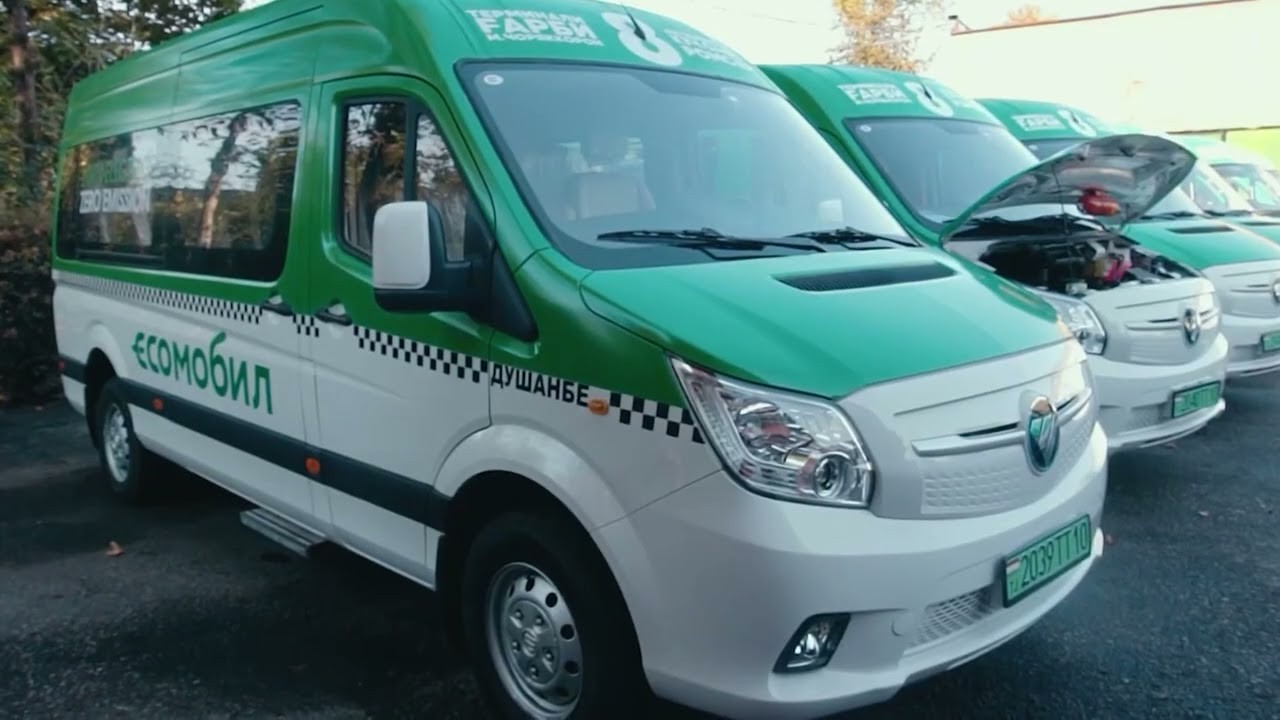
Since 2024, owners of electric vehicles will receive special green license plates, which will facilitate the identification of such vehicles and create the basis for further state preferences.
According to the Customs Service, 17,695 electric vehicles were imported into the country in 2024, and 12,821 units in the first five months of 2025. The total number of electric vehicles in the country as of June 1, 2025 was 34,354 units.
Particular attention is also paid to the city of Dushanbe, where the Resolution of the Chairman of the capital, Rustami Emomali, approved the "Concept for the transition to an electric passenger transport system for 2023-2026". In accordance with this document, by September 1, 2025, all passenger taxis in Dushanbe will be transferred to electric transport.
According to the head of the Ministry of Transport of Tajikistan, Azim Ibrokhim, the use of electric vehicles in the country is an economically sound decision due to the availability of cheap and environmentally friendly hydroelectric energy.
International recognition of Tajikistan's sustainable development policy is confirmed in foreign media. Thus, the Russian automobile portal 5Koleso.ru noted: "Tajikistan is a country where the import of electric vehicles is growing by leaps and bounds, and the authorities are seriously focused on creating their own production."
Given its environmental, economic and technological advantages, Tajikistan is confidently moving towards a “green” future.