Translated with AI































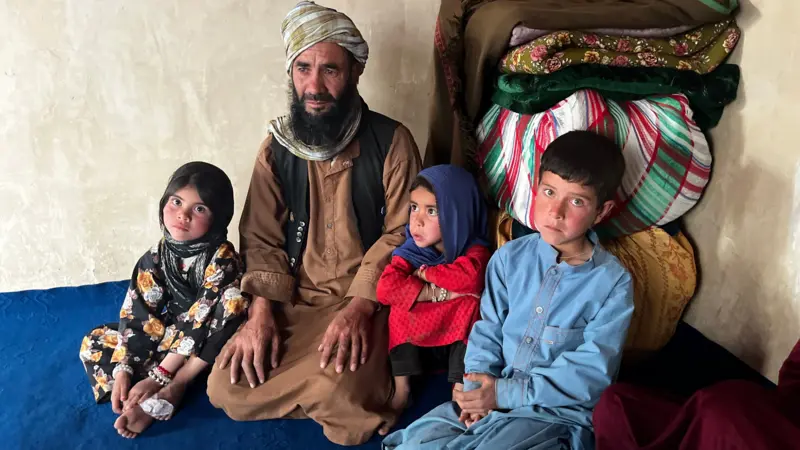
In Afghanistan's central Ghor Province, a humanitarian crisis is intensifying amid widespread unemployment, declining international aid, and a protracted drought. According to the UN, millions of Afghans are on the brink of starvation, and many families are no longer able to provide for their children even in the most basic conditions.
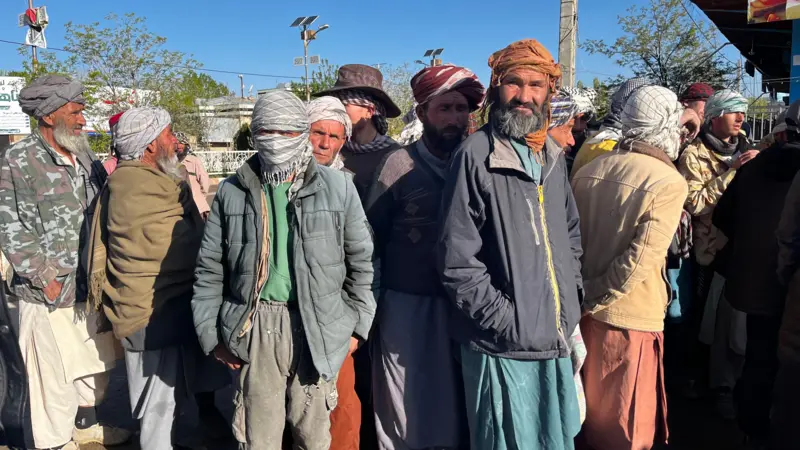
From early morning, hundreds of men gather in a dusty square in Chaghcharan, the capital of Ghor Province. They line the road in hopes of finding at least temporary work. However, the chances of finding work are extremely slim.
45-year-old Juma Khan said he's only been able to work three days in the past six weeks. During that time, he earned between 150 and 200 Afghanis per day, equivalent to approximately $2-3.
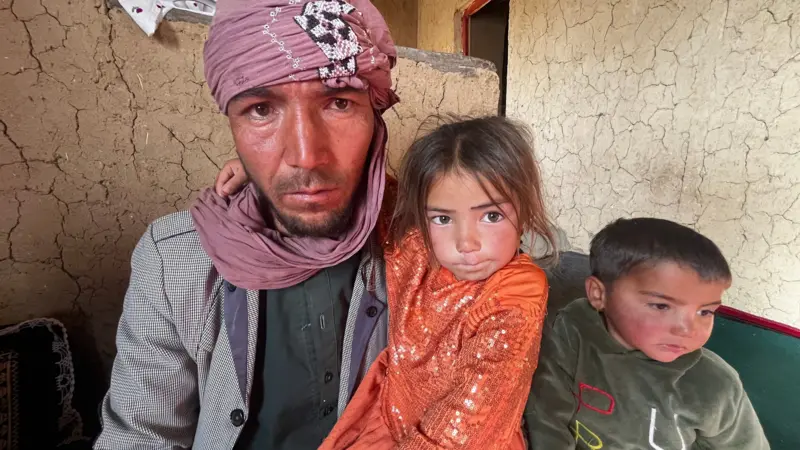
"My children went to bed hungry for three nights in a row. My wife cried along with the children. I had to borrow money from neighbors to buy some flour," he said.
According to the UN, approximately 75% of Afghanistan's population currently lacks basic needs. Unemployment remains high, the healthcare system is in dire straits, and humanitarian aid has been significantly reduced.
According to international organizations, more than 4.7 million people—over a tenth of the country's population—are one step away from starvation.
Ghor Province is considered one of the hardest-hit regions. Many men admit they are desperate to find work and feed their families.
One resident of the region, Rabani, said his children had not eaten for several days.
"They called me and said the children had been starving for two days. I didn't know what to do," he said.
The difficult situation is forcing some families to make difficult decisions. Abdul Rashid Azimi, a resident of the province, said he was willing to sell one of his daughters to support his other children.
According to him, constant unemployment, debts and lack of food have left the family in a hopeless situation.
"The children are asking for bread, but I have nothing to give them," he said.
Another resident of the region, Said Ahmad, reported that he was forced to give up his five-year-old daughter to a relative after the child was diagnosed with appendicitis and a liver cyst. The money he received for the girl went toward paying for her surgery.
According to the man, without this the child might not have survived.
Local residents note that in poverty, families are more likely to sell their daughters, as boys are traditionally considered future breadwinners. The situation is exacerbated by the Taliban's restrictions on women's education and employment.
Just two years ago, many Afghan families received food aid—flour, vegetable oil, lentils, and vitamin supplements. However, in recent years, international aid has declined sharply.
According to UN data, humanitarian aid to Afghanistan this year is 70% below 2025 levels. The United States, previously the country's largest donor, has almost completely halted its funding. Other countries, including the UK, have also significantly reduced their support.
An additional factor in the crisis was a severe drought that affected more than half of Afghanistan's provinces.
Representatives of the Taliban-formed government attribute economic problems to the consequences of the previous system of governance and the long-standing foreign presence.
At the same time, international donors point out that one of the reasons for the reduction in aid was restrictions against women and girls.
The situation is also dire in medical facilities. At Chaghcharan's main hospital, the neonatal department is overcrowded. Most newborns are admitted with low birth weight and breathing difficulties.
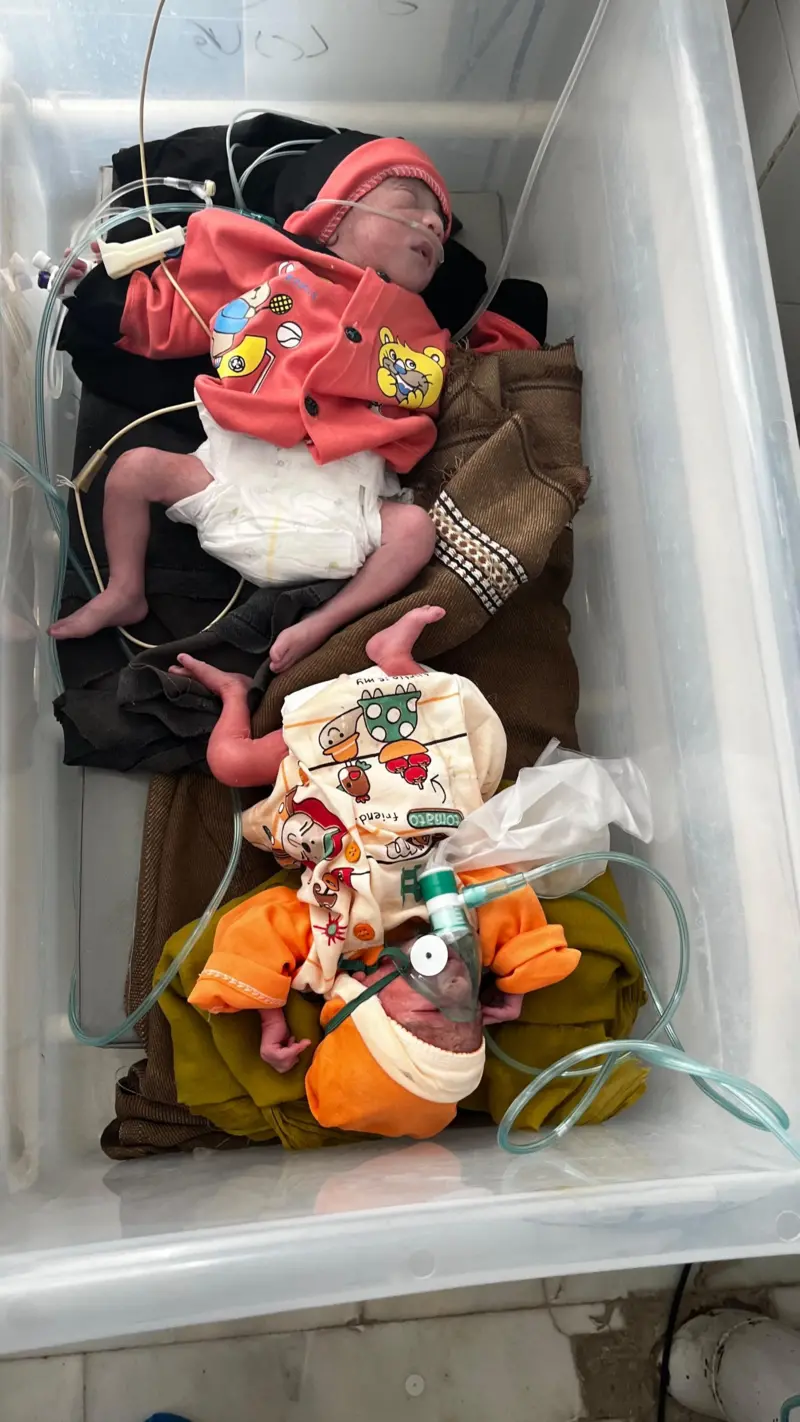
Doctors report that children often die due to malnutrition and a lack of essential medications. Doctors are forced to ask families to purchase their own medications, as public hospitals are experiencing severe shortages of drugs and equipment.
According to hospital staff, the mortality rate among newborns reaches 10%.
Many families, lacking the means for treatment, take seriously ill children home, despite the risk to their lives.
Local residents and doctors warn that without urgent international assistance, the humanitarian situation in Afghanistan will continue to deteriorate.