Translated with AI


































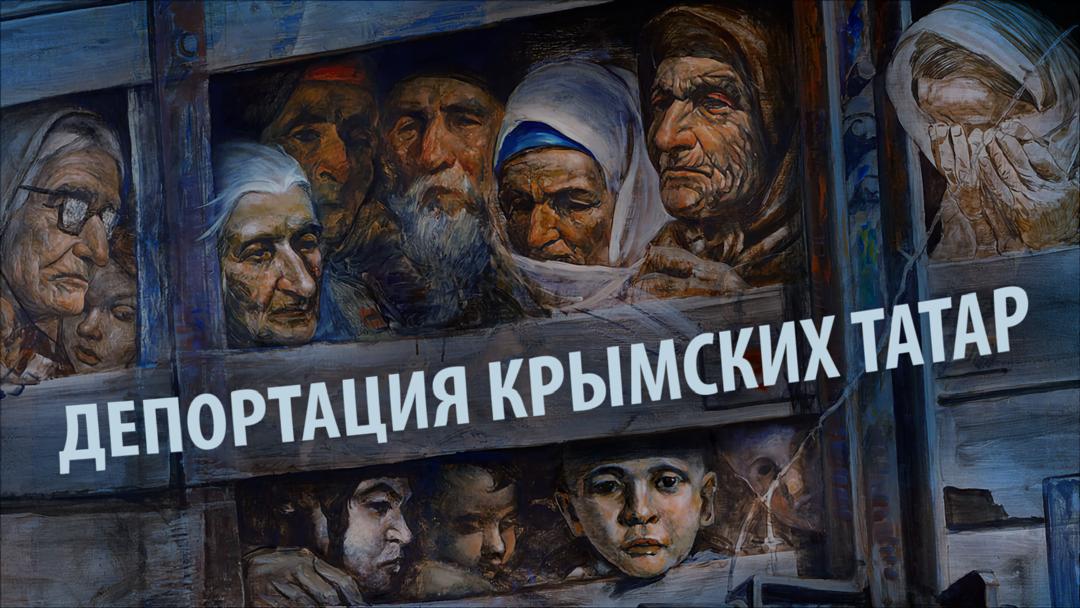
May 18th is a date that will forever remain one of the most tragic pages in the history of the Crimean Tatar people. On this day in 1944, the mass deportation of Crimean Tatars from their native Crimea began. For hundreds of thousands of people, this was not just a displacement, but a true national catastrophe—the loss of their home, their homeland, their loved ones, and their familiar world. Decades later, the memory of these events remains important not only for Ukraine and the Crimean Tatar people, but also for the countries of Central Asia, including Tajikistan. It was here, in the republics of Soviet Asia, that thousands of families were forcibly deported, forced to start their lives anew in extremely difficult conditions. On the night of May 18, 1944, NKVD officers launched a massive deportation of Crimean Tatars. People were given just minutes to pack. Families were allowed to take a minimum of belongings, after which they were escorted to train stations and loaded into freight cars. Among those deported were the elderly, women, and children. The Soviet government accused an entire nation of "mass collaboration with the occupiers," even though thousands of Crimean Tatars fought against Nazism in the Red Army during World War II, and many were awarded military orders and medals. Historians today view the deportation as a form of collective punishment and one of the greatest tragedies of the 20th century. According to official Soviet data, approximately 191,000 Crimean Tatars were deported. Most were sent to Uzbekistan, but some trains also arrived in Tajikistan. For many Tajik families, this history is not distant or alien—the memory of these "special settlers" lives on in various regions of the republic. Crimean Tatars in the Tajik SSR were resettled in small groups in various areas—in the Vakhsh Valley, the Kurgan-Tyube region, areas of present-day Dushanbe, and in the north of the republic. Soviet authorities deliberately avoided compact settlements of deportees, fearing the preservation of national identity and mutual support within communities. Most of the arrivals were sent to agricultural work—primarily in cotton farms, to build irrigation systems, and to work on collective farms. People accustomed to the Crimean climate found themselves in completely different conditions. Summer heat, water shortages, and disease became part of the daily lives of the deportees. Children and the elderly had a particularly hard time. Many did not survive the first months and years of exile. People died en route from hunger, disease, and exhaustion. Crimean Tatar memoirs often describe overcrowded train cars, a lack of medical care, and an almost complete lack of food along the way. But this tragedy also preserved stories of human solidarity. Many Crimean Tatar families, years later, recalled the help of ordinary Tajik residents, who themselves were poor but shared bread, water, and clothing, helping them survive in their new home. For the deportees, this was an act of genuine human compassion. This is why the topic of the deportation of the Crimean Tatars is particularly significant for Tajikistan. It is part of the shared historical memory of peoples who lived through difficult times of repression, war, and forced displacement. Many families in Central Asia still cherish memories of neighbors and friends who came to the republic during the years of deportation. For decades, Crimean Tatars were prohibited from returning to their homeland. Even after Stalin's death, restrictions were gradually lifted. The people continued to live under administrative control, facing discrimination and the inability to freely return to Crimea. Only in the late 1980s did a mass return of Crimean Tatars begin. Today, May 18, is officially the Day of Remembrance of the Victims of the Crimean Tatar Genocide in Ukraine. On this day, we remember not only the deportation itself, but also the fates of hundreds of thousands of people who endured humiliation, deprivation, and the loss of their homeland. For modern Ukraine, the memory of the deportation of the Crimean Tatars is particularly significant because, following the Russian occupation of Crimea in 2014, the Crimean Tatar people once again faced persecution, arrests, pressure on activists, and restrictions on their rights. Many historians and human rights activists draw parallels between the Soviet repressions of the past and the policy of pressure on the Crimean Tatars today. However, despite the tragedies, the Crimean Tatar people managed to preserve their culture, language, traditions, and dignity. The story of the deportation became a symbol of the resilience of a people who, despite exile and suffering, did not lose their identity. For Tajikistan, this date can also serve as a reminder of the importance of interethnic respect, human solidarity, and the preservation of historical memory. The histories of the peoples of Central Asia and Crimea became intertwined in many ways during the difficult years of the 20th century. And remembering this is not only a tribute to the past but also an important lesson for the future. May 18th is a day of mourning. But it is also a day of remembrance for human dignity, the ability to persevere and preserve oneself even when it seems all is lost. Ambassador Extraordinary and Plenipotentiary of Ukraine to the Republic of Tajikistan Valeriy Evdokimov
May 18 is the Day of Remembrance of the Victims of the Crimean Tatar Genocide in Ukraine.