Translated with AI


































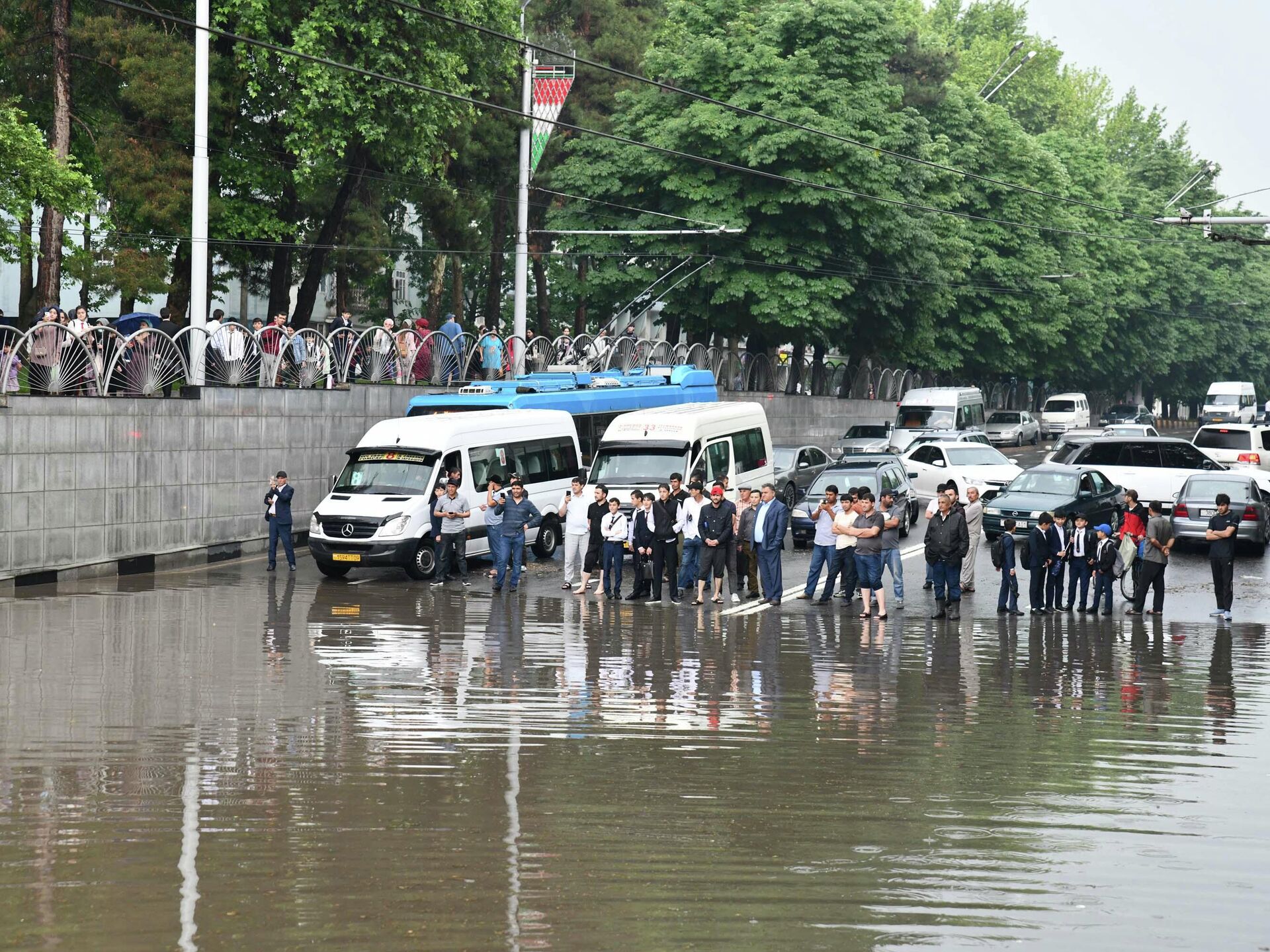
On the orders of Tajikistan's Minister of Transport, Azim Ibrohim, all road services in the country have been switched to 24-hour operation due to expected adverse weather conditions.
According to the Ministry of Transport of Tajikistan, rising river water levels, mudflows, and deteriorating air quality in several regions of the country are forecast for May 18–20.
According to the Hydrometeorology Agency of the Committee for Environmental Protection under the Government of Tajikistan, on May 18 and 19, due to precipitation, water levels are expected to rise in the Zeravshan, Obihingob, Vakhsh, Yakhsu, Kyzylsu-Yuzhnaya rivers, as well as in rivers flowing down the southern slopes of the Gissar Range.
Furthermore, mudslides are forecast for most regions of the republic from May 18 to 20. The eastern part of the Gorno-Badakhshan Autonomous Region will be an exception.
Also on May 18, deteriorating air quality is expected in southern cities and districts of the Khatlon region. This will be caused by meteorological factors, including a dust storm and haze coming from the south and southwest.
Forecasters predict an increase in the concentration of suspended dust particles in the air, including particles measuring 10 microns (PM-10) and 2.5 microns (PM-2.5).
Due to the unfavorable forecast, the Ministry of Transport has established a working group headed by Deputy Minister Boboer Boboerzoda. The group will be tasked with promptly responding to potential adverse weather conditions, continuously monitoring road conditions, and ensuring the timely and safe transportation of passengers and cargo.
The Ministry of Transport of Tajikistan warned of the risk of extreme situations on the roads due to worsening weather conditions and urged drivers to take extra precautions.
The agency recommends strictly observing traffic rules, reducing speed, maintaining a safe distance between vehicles, and avoiding areas prone to mudflows, especially after heavy rains.
Drivers are also urged to be especially careful on sections of newly paved roads, as freshly laid asphalt becomes more slippery after rain, as well as in areas where clay and sand may be carried onto the roadway.