Translated with AI







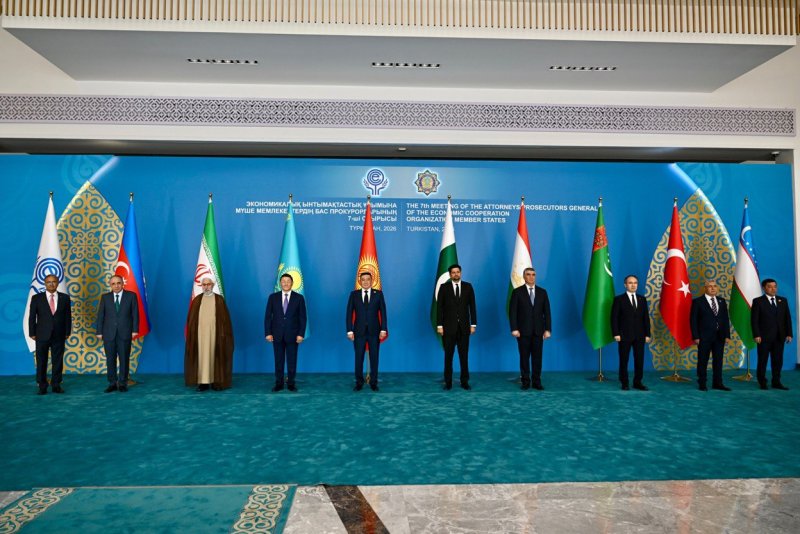











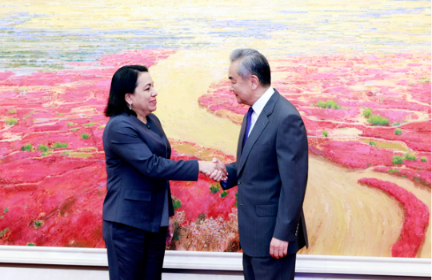







On April 29, 2026, amid growing nuclear threats and geopolitical tensions, special attention is paid to the 20th anniversary of the Treaty of Semipalatinsk, which established a nuclear-weapon-free zone in Central Asia.
It is noted that twenty years ago, the region, where nuclear tests had been conducted for decades, made a choice in favor of safety and abandoned the development and deployment of nuclear weapons.
At the Review Conference of the Parties to the Treaty on the Non-Proliferation of Nuclear Weapons (NPT), held at UN Headquarters, a special roundtable discussion, organized by Kazakhstan, was held to commemorate this date. Participants discussed the importance of the agreement for strengthening international security in an unstable global environment.
Symbolically, the treaty itself was signed in 2006 in Semipalatinsk, the site of one of the world's largest nuclear test sites. Beginning in 1949, the Soviet Union conducted 456 nuclear explosions over an area of approximately 18,500 square kilometers. The test site was closed in 1991, but the consequences of the tests continue to impact public health and the environment.
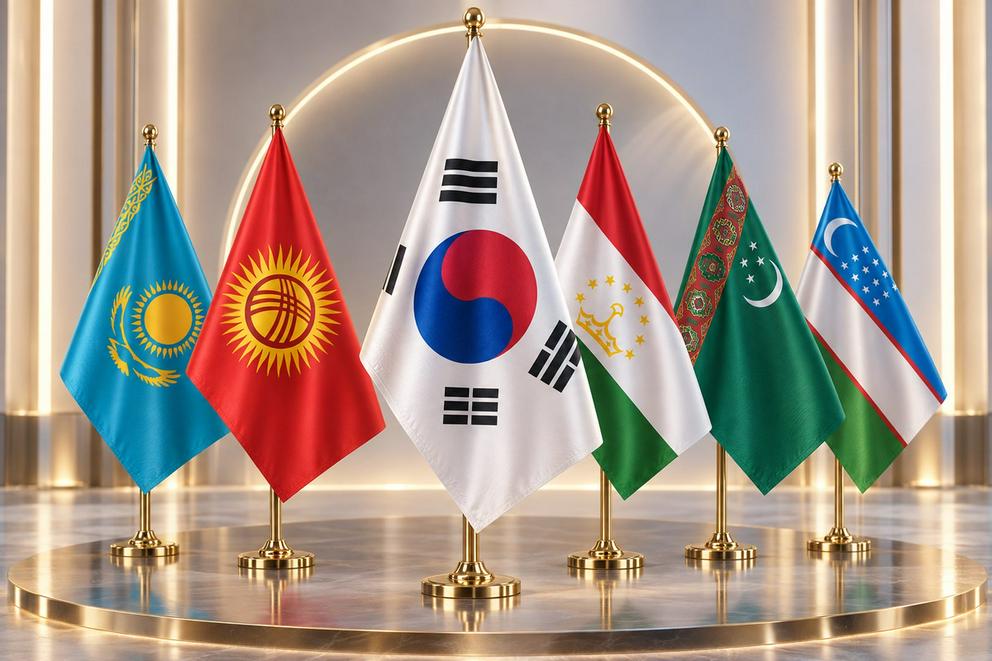
The agreement united Kazakhstan, Kyrgyzstan, Tajikistan, Turkmenistan, and Uzbekistan. It entered into force in 2009 and enshrined the voluntary renunciation of these states from the development, acquisition, testing, and deployment of nuclear weapons. The International Atomic Energy Agency oversees compliance with these obligations.
UN representatives emphasized that nuclear-weapon-free zones remain an important instrument of global security, contributing to risk reduction, confidence-building, and the development of international cooperation.
It is noted that the Central Asian region has become an example of effective regional cooperation based on legally binding agreements. Participants in the discussion believe that such agreements play a vital role in ensuring both regional and global security.
Kazakhstan's First Deputy Foreign Minister Yerzhan Ashikbayev stated that the significance of the Semipalatinsk Treaty extends beyond the region. He stated that the creation of the zone was the result of the countries' desire to strengthen peace, stability, and security, as well as to overcome the consequences of nuclear testing.
In the context of growing geopolitical tensions, the diplomat noted, such agreements remain relevant and have proven their effectiveness. He emphasized that the creation of nuclear-free zones must be a sovereign decision of states and cannot be imposed from outside.
Particular attention is being paid to the effects of nuclear testing, which continue to be felt, particularly in the area of the former Semipalatinsk test site. Rehabilitation programs are being implemented in the region, a modern oncology center has been established, and some areas are being returned to commercial use after the necessary inspections.
At the same time, it is noted that work to overcome the consequences of the nuclear past remains one of the key tasks.
The Semipalatinsk Treaty has a number of unique features. It is the only nuclear-weapon-free zone located entirely in the Northern Hemisphere and bordering two nuclear-weapon states. Furthermore, it is the only region where nuclear weapons were not only tested but also deployed in the past.
The Treaty on a Nuclear-Weapon-Free Zone in Central Asia was signed on September 8, 2006, in Semipalatinsk (now Semey, Kazakhstan) and entered into force on March 21, 2009. Kazakhstan, Kyrgyzstan, Tajikistan, Turkmenistan, and Uzbekistan became parties to it.