Translated with AI









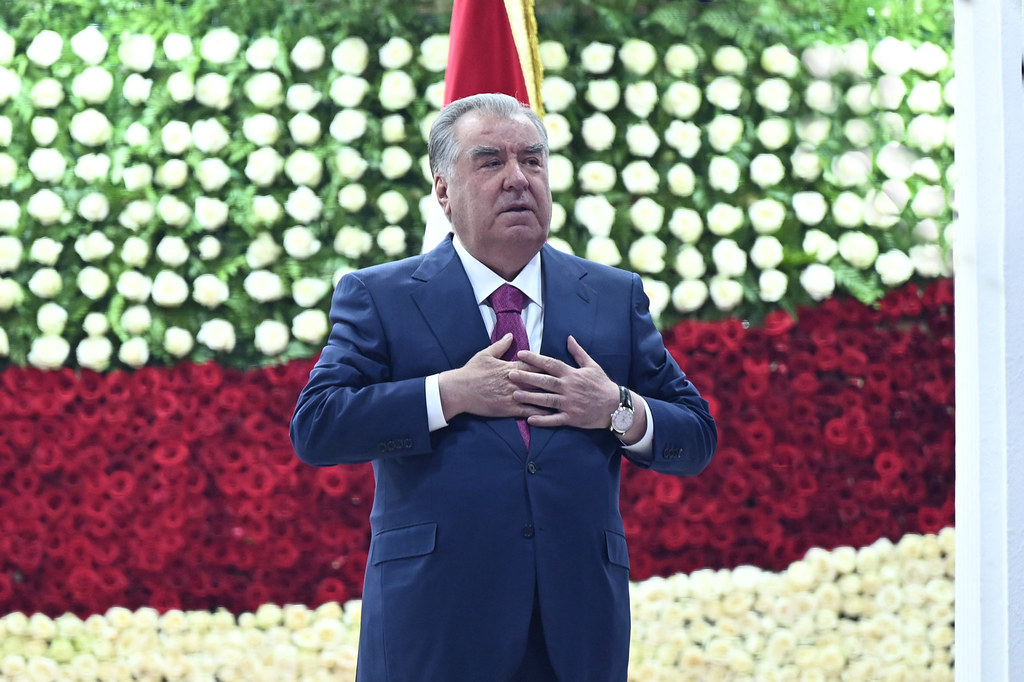














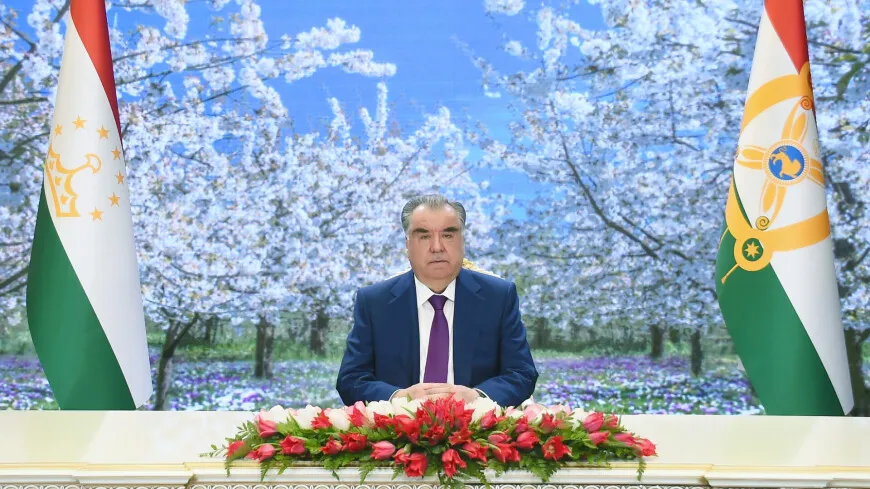
Tajik President Emomali Rahmon congratulated the country's citizens on the occasion of one of the ancient holidays of the Aryan peoples – Sada, the presidential press service reported.
In his address, the head of state noted that the Sada Festival, along with other national celebrations, is the spiritual legacy of the glorious ancestors of the Tajik people and was revived thanks to the country's regained independence. Despite the artificial barriers to celebrating the Sada created over the centuries, the Tajik nation has preserved this holiday as a vital value in its memory.
The President emphasized that the essence of the Sada is rooted in humanistic ideas, and the holiday itself symbolizes humanity's eternal connection with nature and the cosmos, joy and merriment, prosperity, purity and freedom, peace, and the constancy of warmth and light. In ancient times, especially during the Samanid era, the Sada festival was celebrated with particular grandeur, and its traditions and customs were widespread.
The name of the Sada festival is usually associated with the number one hundred, or fifty days and fifty nights, before Nowruz. According to some researchers, the word "Sada" derives from the Avestan term "sand," meaning emergence, illumination, and manifestation, associated with light and heat. The source of light and heat is fire, as the origin of Sada is associated with the discovery of fire by the Peshdadid king Hushang, a legend recounted in the poem "Shahnameh" by Abul-Qasim Firdawsi.
The President quoted lines from the poem:
“We inherited Sada from Khushang.
Let other kings always be like this.
To improve the world and make it happy,
Then the world will remember them with kindness."
The head of state noted that over time, various historical factors have influenced the Khushang monument and the holiday's traditions. However, they have survived to this day not only in the people's memory but also in rituals and customs such as Khut and other traditions. The Garden's rebirth in the years of independence has given the holiday new life and a fresh flavor as part of the historical memory of the Tajik people.
This year marks the eighth anniversary of the first official celebration of the Sada, and today the holiday has acquired the special status of a national celebration, becoming one of the pillars of national identity and a reminder of our ancestors' past. According to the president, the Sada celebration has now achieved widespread popularity and further strengthens the Aryan identity of the people.
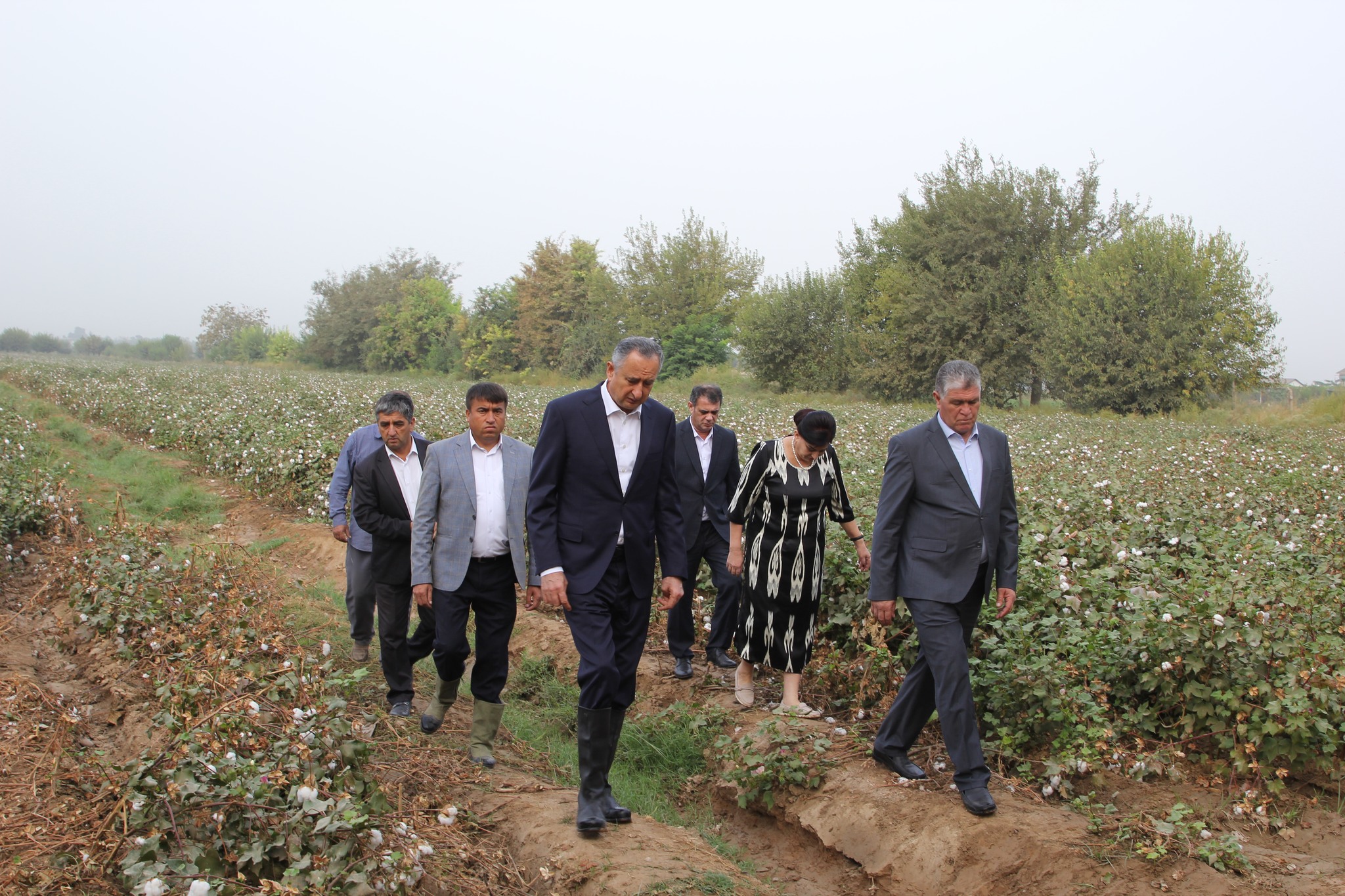
The President noted that the celebration of the Garden is closely linked to agriculture and the lives of farmers. The forty-day period during which the holiday falls signals the end of winter, and nature is preparing for spring and the beginning of agricultural work. The holiday marks nature's turn toward Navruz and preparation for the spring sowing. During this period, farmers begin preparing for agricultural work, and it is essential to use every favorable day for preparation, as a bountiful harvest and the blessings of the people's dastarkhan depend on the labor of the farmers.
The President noted that in today's world, food supply issues are becoming increasingly acute, and food prices are volatile due to growing demand. Therefore, it is important to effectively utilize all resources and opportunities to ensure the country's food security.
The head of state emphasized that cleanliness and tidiness of the environment, minds, and hearts are an important aspect of Tajik national holidays, including Sada. He called on citizens during this period to make the country's natural environment even more beautiful and to keep streets, squares, homes, and residential areas clean. Maintaining peace and tranquility, and preventing resentment and hostility in people's hearts, is also crucial.
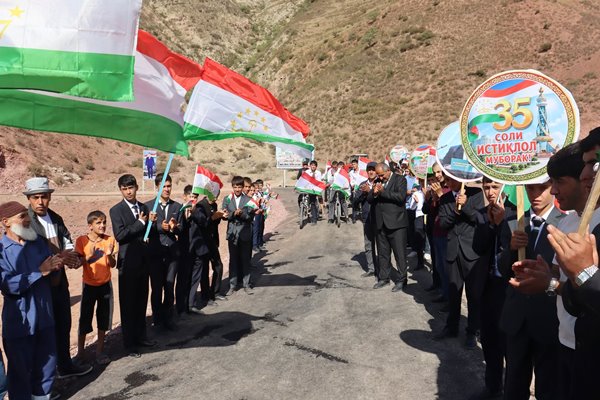
The President noted that 2026 is a special year for the country, as it marks the 35th anniversary of state independence. In honor of this national holiday, the year has been declared the "Year of Expanding Improvement and Creativity, Strengthening National Identity and Self-Awareness." Therefore, all citizens must work for the further development and prosperity of Tajikistan, making the country more beautiful and prosperous.
Emomali Rahmon wished all citizens peace, happiness, and prosperity, emphasizing that the Sada Festival symbolizes joy, prosperity, and a connection to ancestral history.
"Happy Garden Festival, dear compatriots!" the country's president concluded.