Translated with AI





















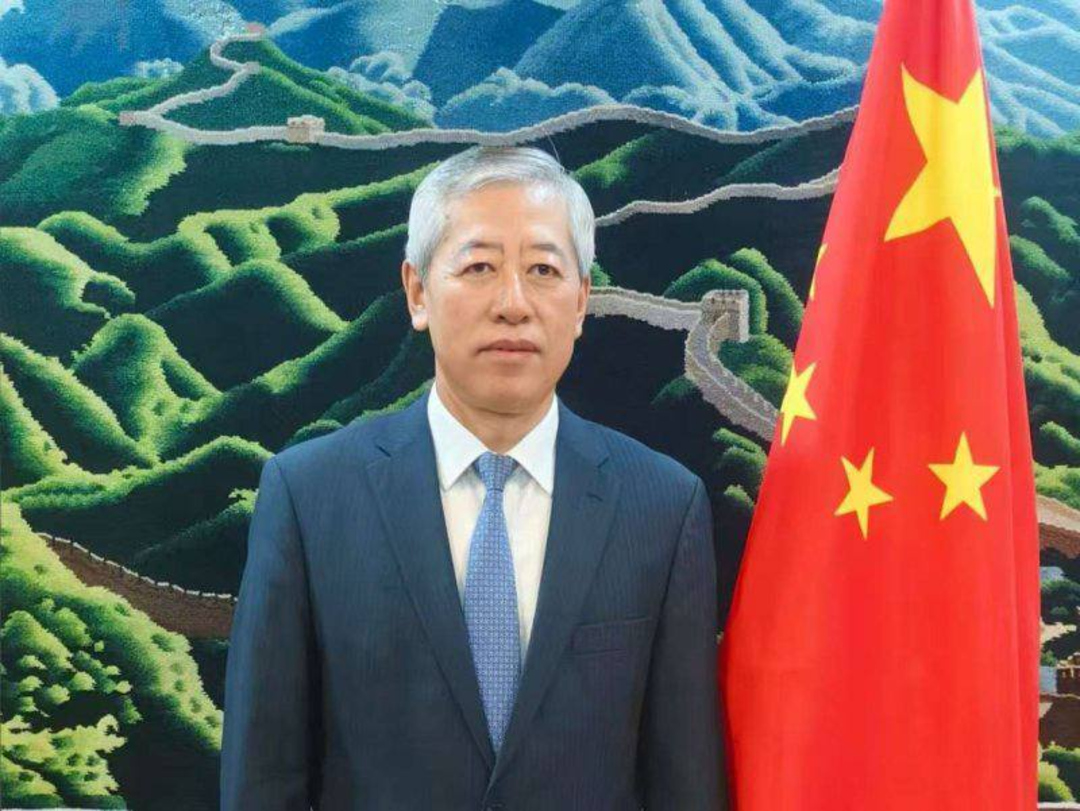
Dear Ambassador, on behalf of our readers, we welcome you and wish you great success in further strengthening the strategic partnership between the Republic of Tajikistan and the People's Republic of China in promoting peace, stability, and prosperity for the peoples of the two countries.
Question : Before your appointment to Tajikistan, you undoubtedly had a certain idea of our country. To what extent does the reality of Tajikistan, including its society, culture, economic potential, and international position, meet your expectations? What was most important or perhaps most unexpected for you?
Answer: This is my first assignment in Tajikistan. Before leaving for Tajikistan to take office, I was filled with great enthusiasm as I imagined the majestic landscapes of this land of high mountains, its eagle-like people, and the brilliant culture of the Samanid era. I carefully read the book "Tajiks in the Mirror of History" by the esteemed President Emomali Rahmon and deeply felt that Tajikistan and China are great countries with a long history and rich culture. More than 2,000 years ago, the peoples of our two countries began friendly exchanges, writing a beautiful history of interaction and mutual enrichment between civilizations along the ancient Silk Road.
During my more than six months in Tajikistan, I visited all three regions and one district of republican subordination, experiencing firsthand how, under the leadership of the esteemed President Emomali Rahmon, all spheres of the state are actively developing, and the economy and society are filled with vitality and energy. I was most impressed by the warmth and friendliness of the Tajik people. Walking the streets and alleys of Dushanbe, I often encountered Tajiks who greeted me with "Hello." City taxi drivers proudly told me about the convenience of Chinese electric vehicles. Local residents in rural areas, when encountered on mountain trails and in the fields of Tajikistan, warmly invited me to visit. Such friendly, I would even say fraternal, relations, even after more than 30 years of diplomatic career, deeply touched and inspired me, giving me even greater confidence in advancing the friendly relations between China and Tajikistan to a new level, so that they would bring greater benefits to our countries and peoples.
Q: Recently, when Chinese President Xi Jinping received the credentials of 18 ambassadors to China, he expressed the hope that they would visit different parts of the country and gain a comprehensive and in-depth understanding of the real and multifaceted life of the host country.
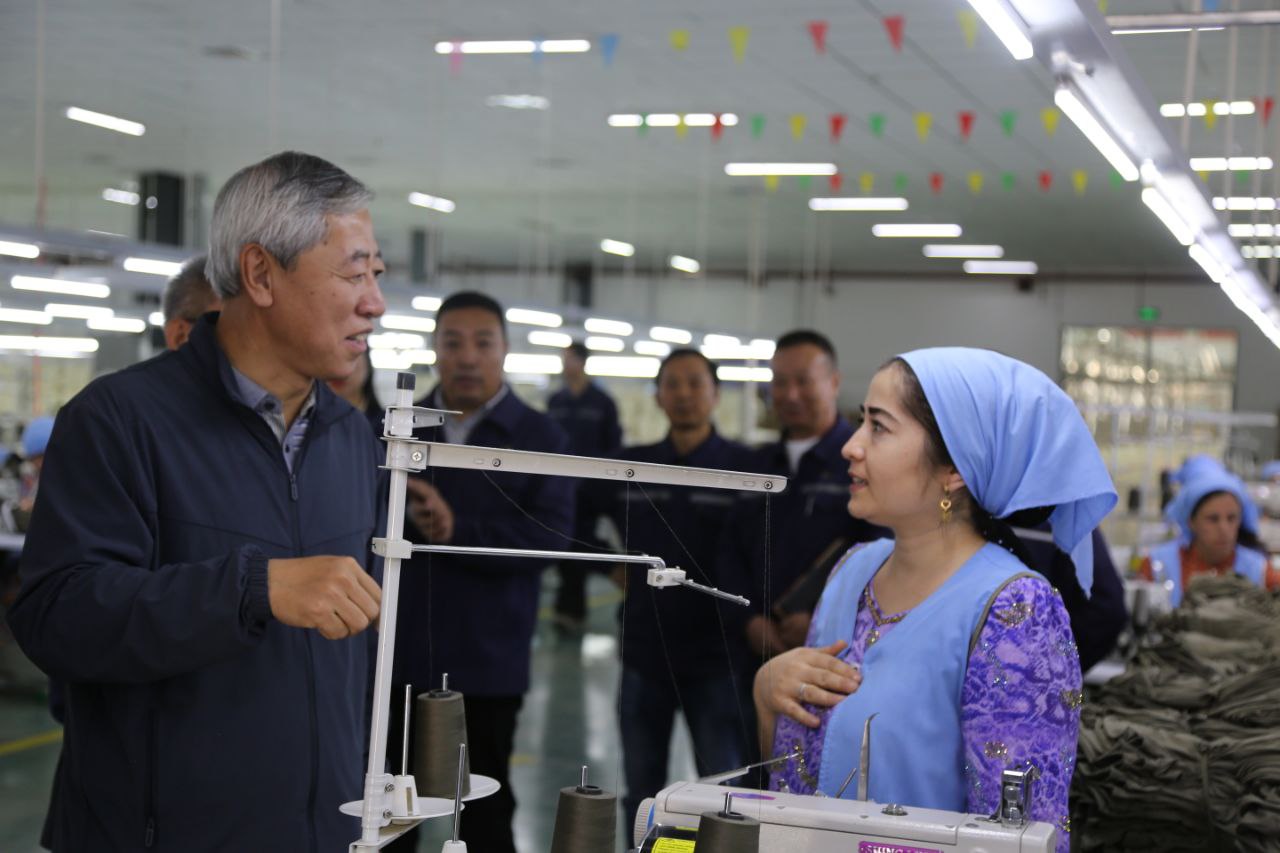
During your tenure as Ambassador to Tajikistan, you, in keeping with this principle, actively participated in numerous cultural and social events, including cotton picking, tree planting, charity events, and meetings with children and representatives of all walks of life.
Which encounters with ordinary Tajik people left the most vivid and profound impressions on you and helped you gain a more complete and profound understanding of Tajikistan? What admirable qualities do you believe are common to the peoples of China and Tajikistan?
Answer: Since mid-July last year, when I arrived in Tajikistan, I have been fortunate to participate in various humanitarian and social events. I interacted with representatives of various social strata in the Districts of Republican Subordination, Khatlon Region, and other places, where I deeply felt the sincerity, straightforwardness, hospitality, and warmth of my Tajik friends, who treat us as good neighbors, good friends, and brothers. I also witnessed firsthand the wonderful qualities shared by the peoples of China and Tajikistan, such as kindness, simplicity, hard work, and resilience.
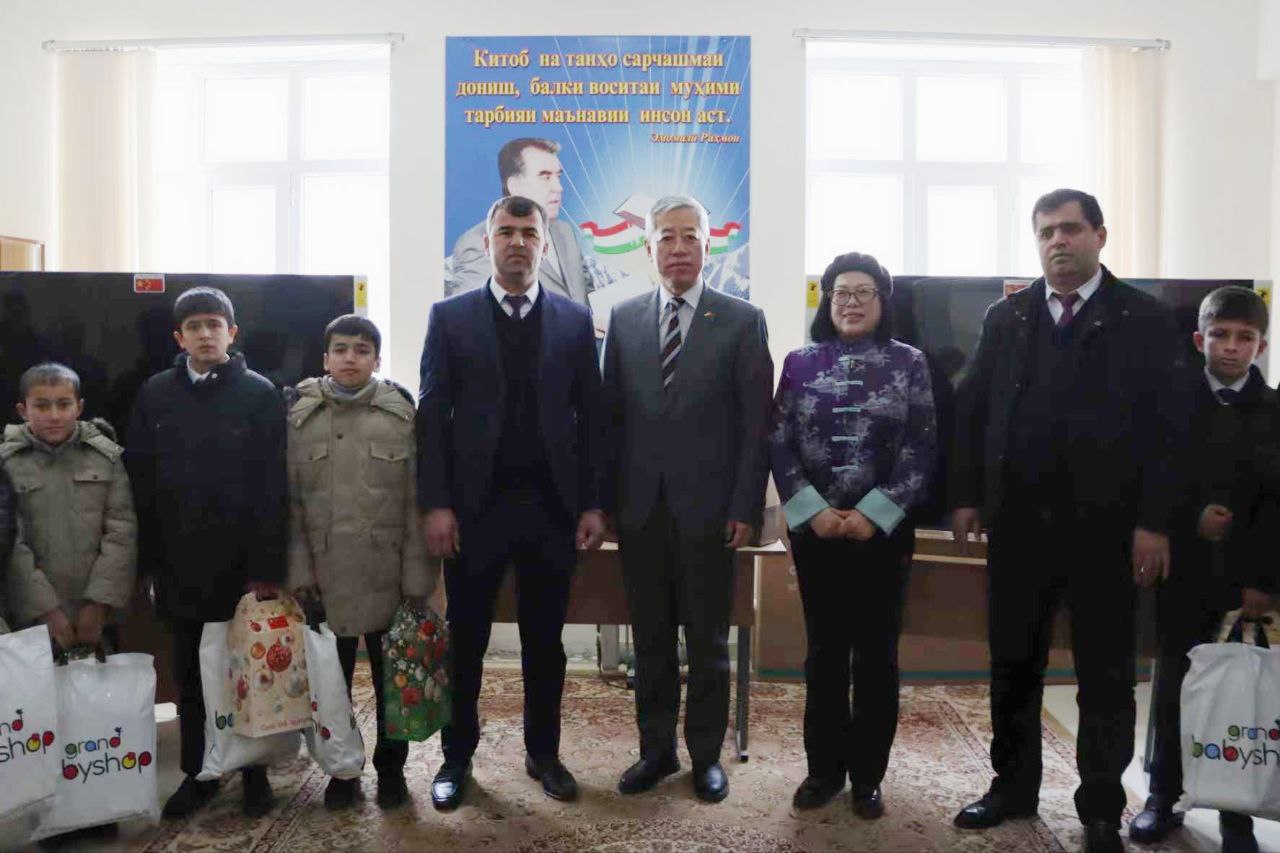
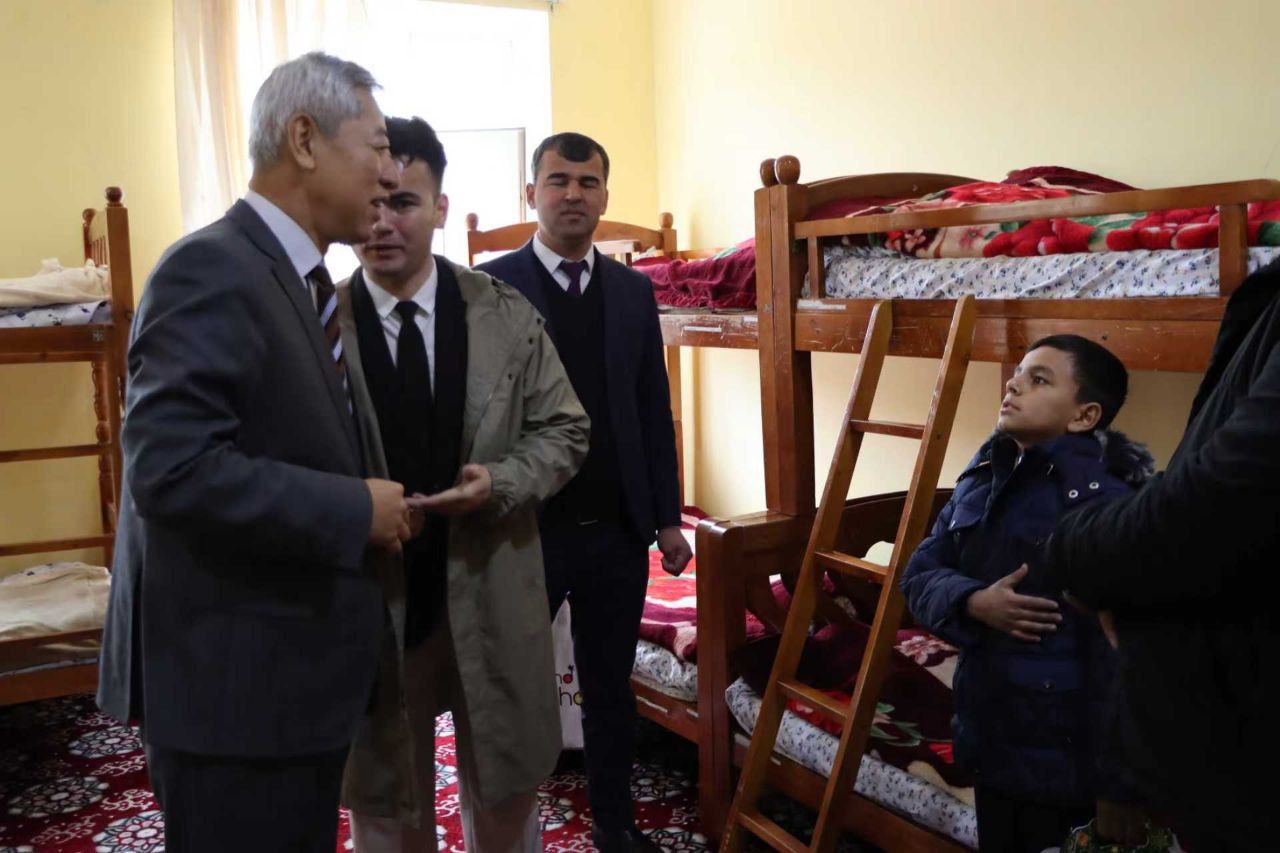
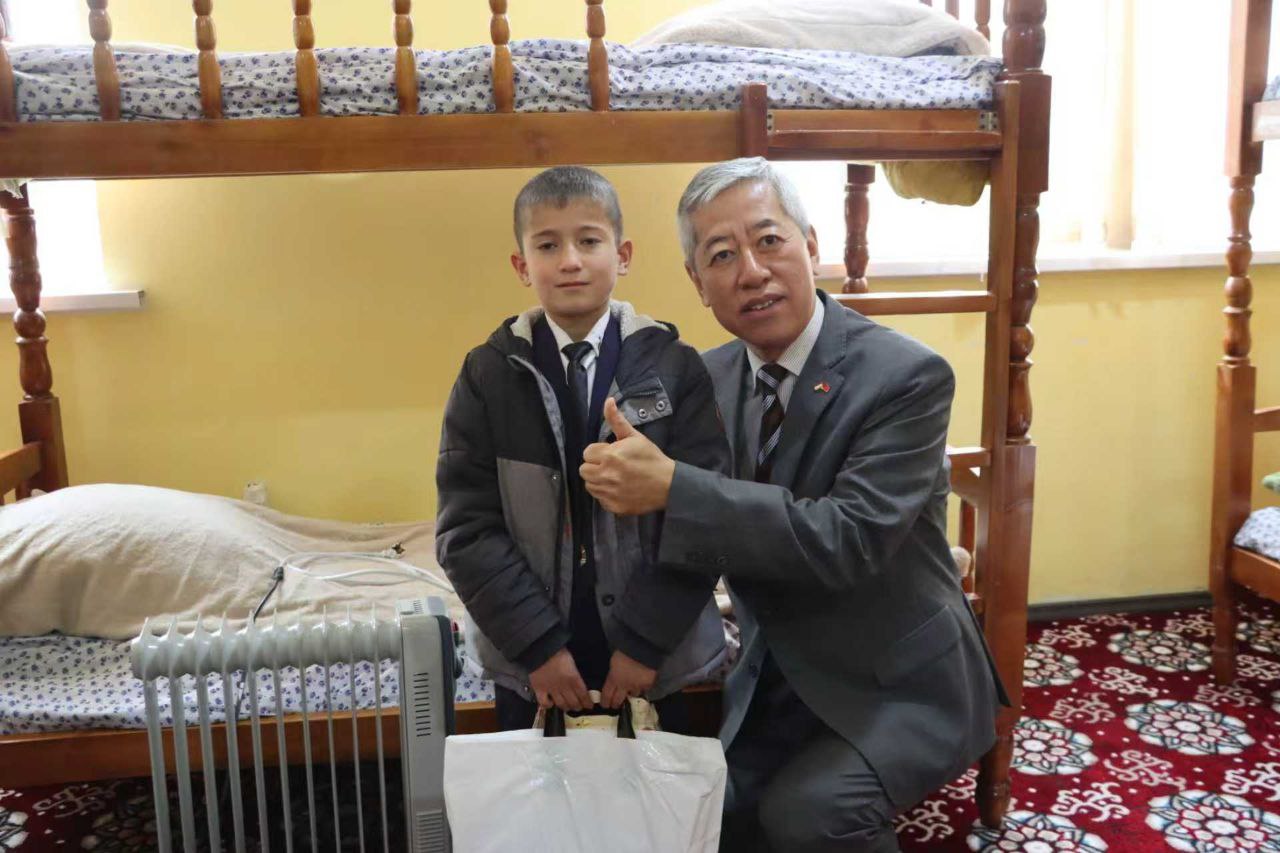
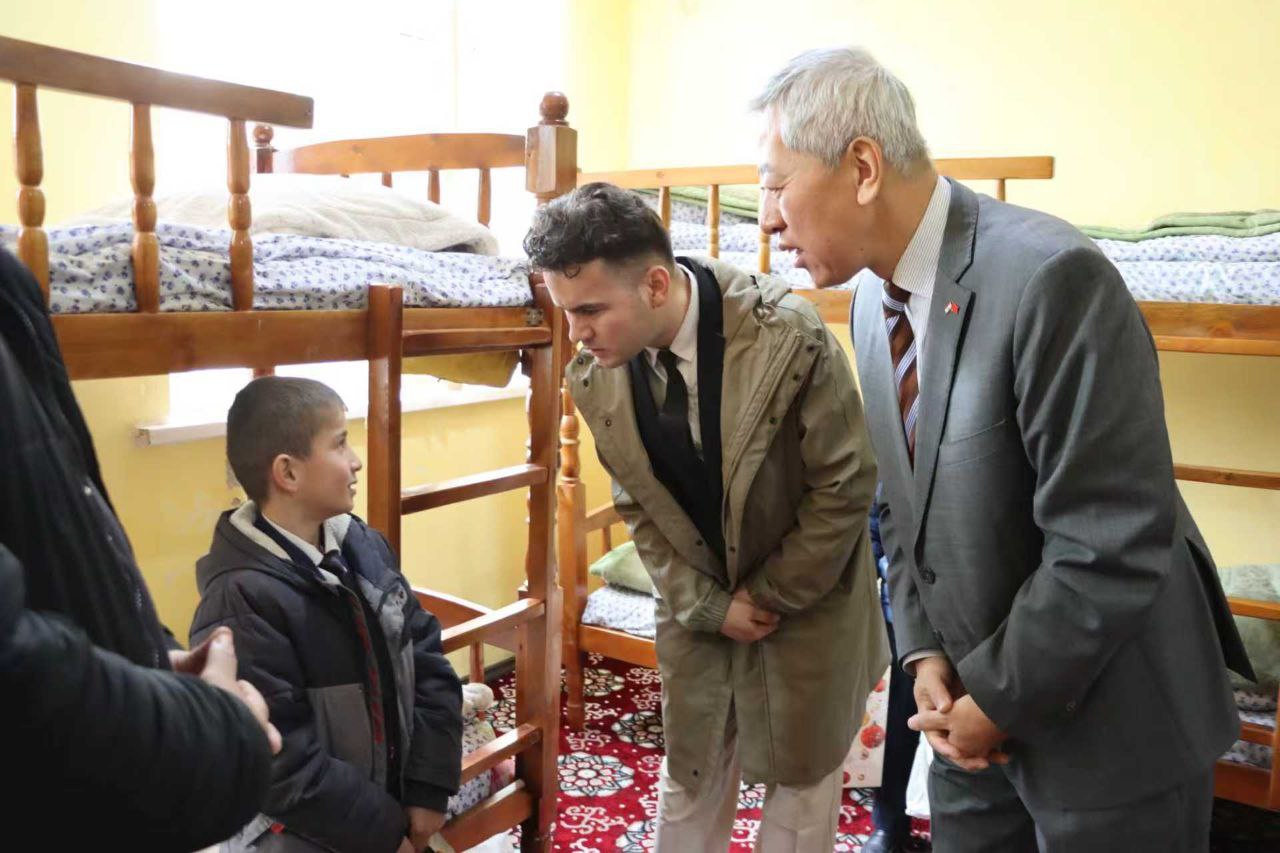
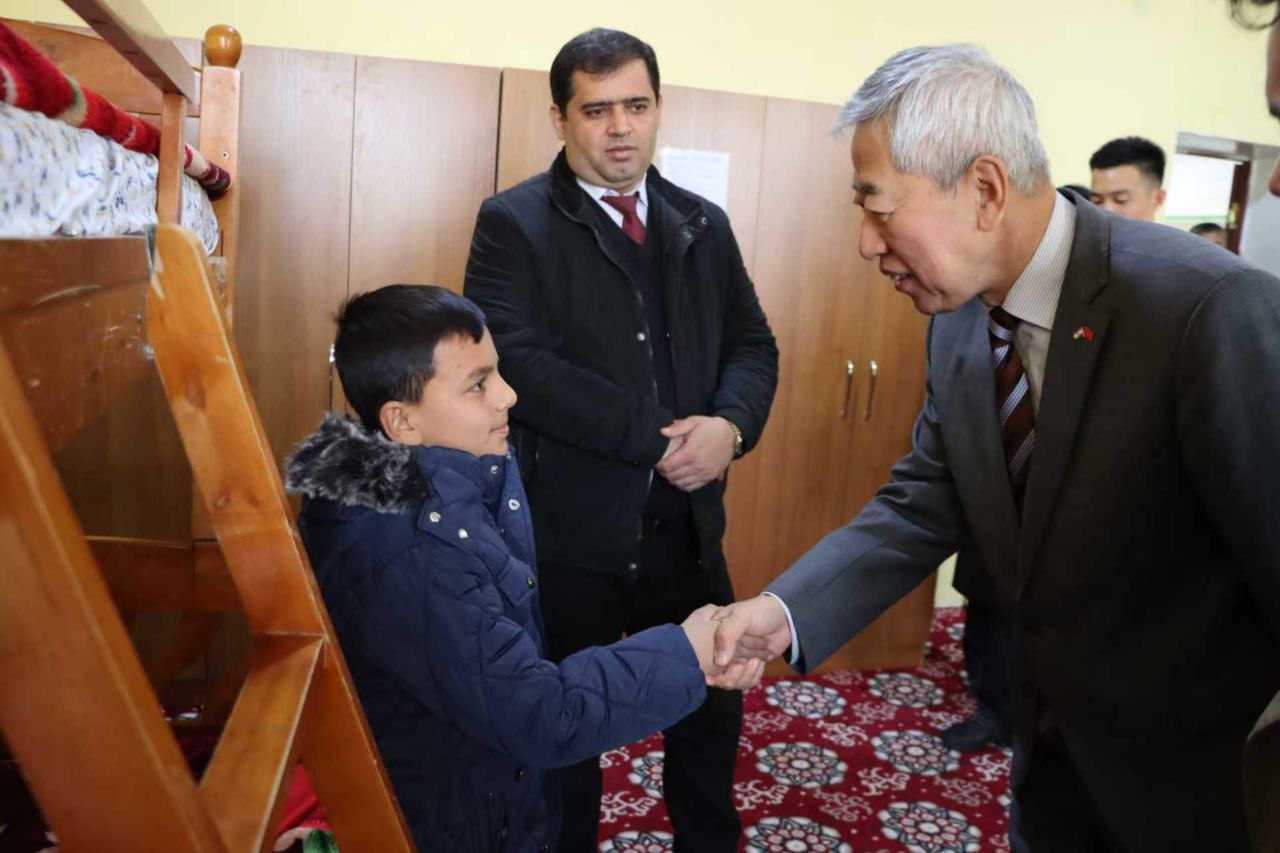
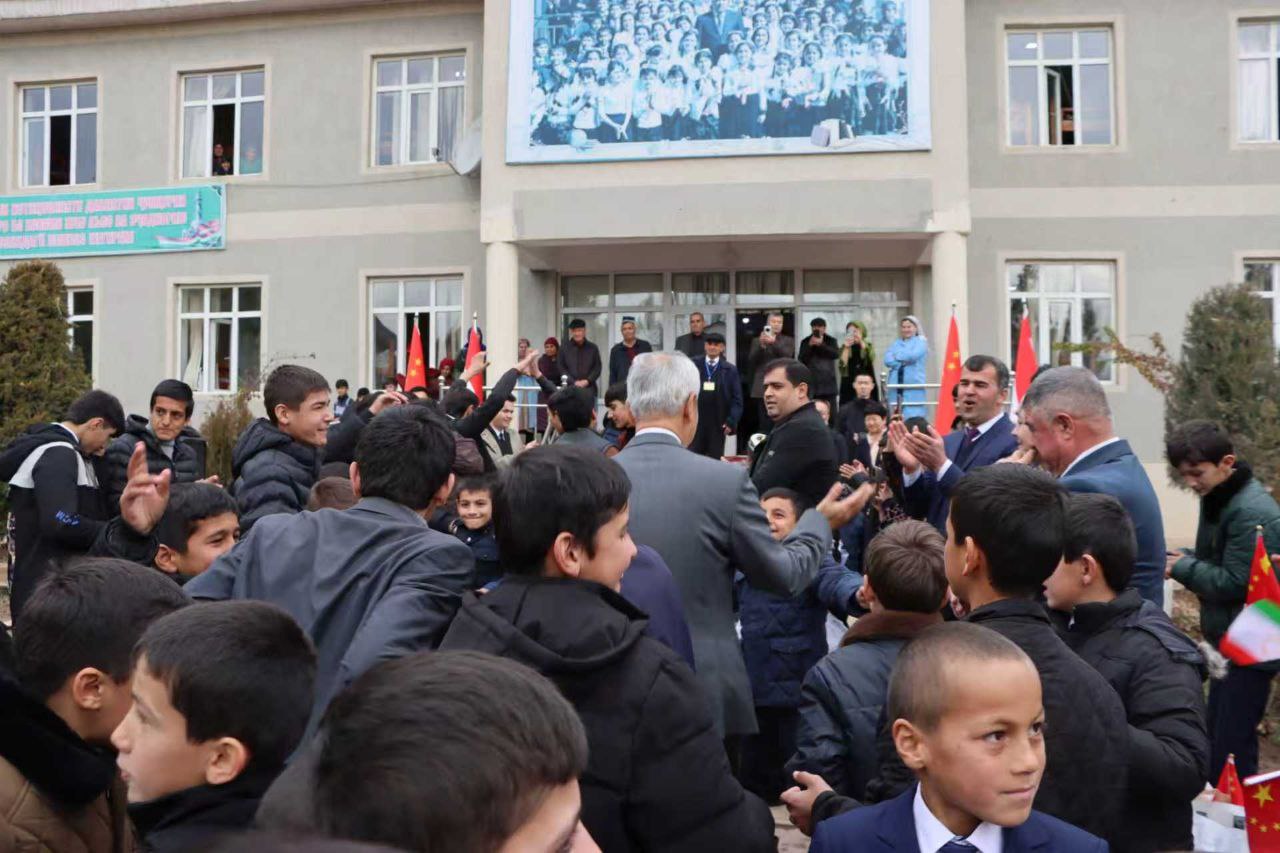
Late last year, my wife and I were invited to attend a New Year's Eve event at the Kangurt Jamoat State Boarding School in the Temurmalik District of Khatlon Region. Most of the students at this school are local orphans and children from low-income families. We presented the children with school supplies and other New Year's gifts, as well as some electronic equipment to further improve their teaching. The children were very sweet: they shared stories about their daily schoolwork and life, and they actively taught me common Tajik phrases like "Welcome" and "Hello," becoming my youngest Tajik language teachers. They are very talented. They invited me to join them in singing and dancing, and we celebrated the New Year with songs and dances. This was my first time celebrating the New Year in Tajikistan, which was especially meaningful for me. The children's sincere smiles made a deep impression on me.
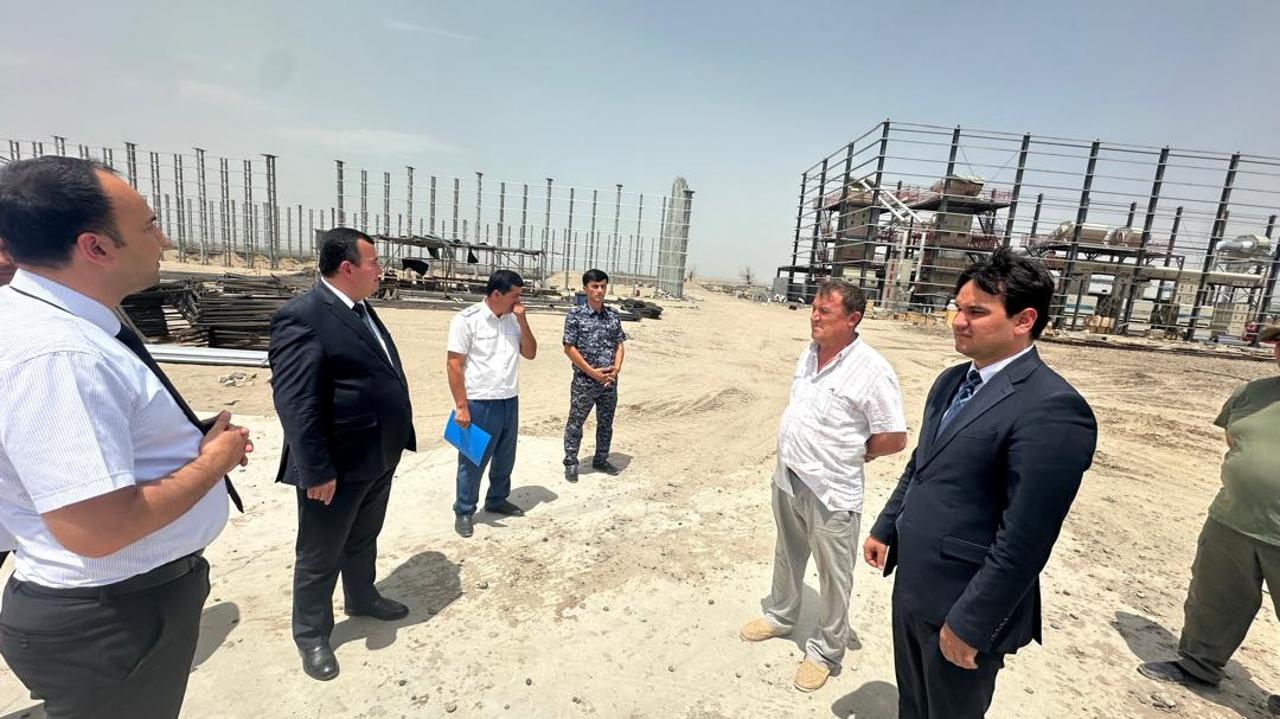
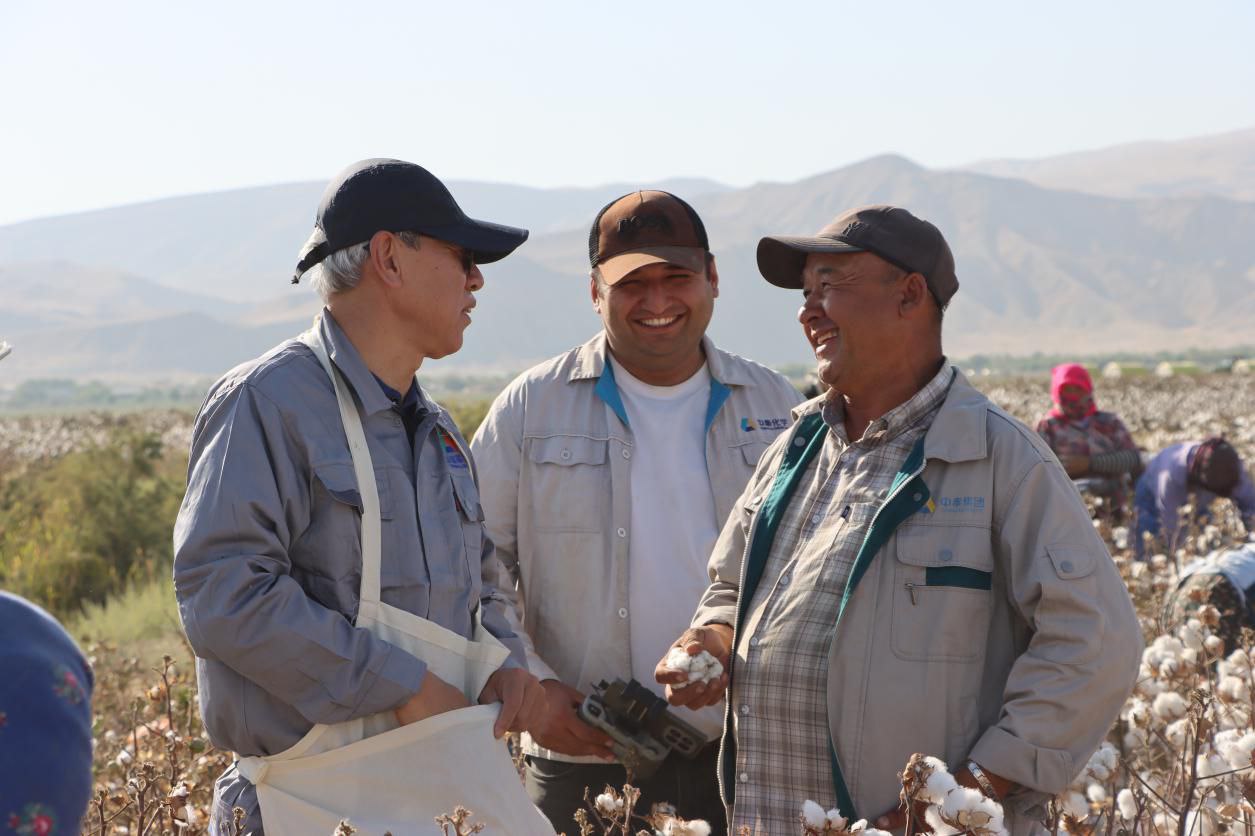
During last year's cotton harvest, I went to the cotton fields of the Dusti district to meet with local cotton growers and participate in the harvest. I remember one cotton grower joyfully telling me that Chinese companies had brought high-quality cotton varieties and built a cotton processing plant, which allowed them to find stable employment close to home. This not only increased their income but also enabled them to master advanced cotton cultivation technologies. Their sincerity, I believe, stems, on the one hand, from a love of labor and the joy of being able to make their lives more prosperous with their own hands, and on the other, from pride in the deep friendship between China and Tajikistan. Like the word "Dusti" itself, which means "friendship" in Tajik, agricultural cooperation between China and Tajikistan has steadily deepened in recent years. In the future, the Chinese side will promote more practical cooperation projects in Tajikistan that benefit the people, so that the friendship between the two countries can truly and tangibly benefit the people of China and Tajikistan.
Question : Tajikistan and China are countries with long-standing Eastern traditions of hospitality. In Tajikistan, welcoming guests usually begins with a cup of tea, which originates from China, and Chinese cuisine is also becoming increasingly popular among Tajiks.
Please share your culinary preferences: which Chinese dish would you recommend to our readers? And which Tajik dishes have particularly impressed you and deserve a recommendation to your compatriots?
Answer: Tajik cuisine has a distinctive character: plov, qurutob, sambusa, shashlik, and much more are incredibly delicious. But what impressed me most was the local non—this distinctive flatbread can be found everywhere: in restaurants, markets, supermarkets, streets, and alleys. They have a rich aroma, and I really loved them. I also noticed that Tajik non is particularly sweet and fragrant. I specifically asked local friends about it, and they explained that they typically use high-quality local wheat flour for non. Thanks to the abundant sunlight, local wheat flour has a high protein content, which gives non a special texture and flavor. Traditional local cooking and baking techniques also play an important role. Tajik non is a unique delicacy, born of Tajikistan's natural resources and its traditional crafts.
My Tajik friends told me that Chinese cuisine is becoming increasingly popular here. I visited several Chinese restaurants in Dushanbe, and the food was excellent. I noticed that these restaurants were frequented by young Tajiks who spoke Chinese very well. Conversing with them in Chinese was a pleasant and warm surprise. Perhaps this is a concrete manifestation of the high level of development of bilateral relations between China and Tajikistan, and the fact that the idea of friendship from generation to generation is deeply rooted in the hearts of people. I recommend that everyone, if possible, visit China and experience the most authentic Chinese cuisine for themselves.
Question: A survey conducted by our agency showed that the people of Tajikistan show great interest in the development of Chinese-Tajik relations and are confident in the further strengthening of the strategic partnership between the two countries.
What do you believe are the roots of this trust? What measures is China taking to meet the expectations of the people of a friendly country?
Answer: The profound friendship and trust between the peoples of China and Tajikistan are rooted in the millennia-old traditions of friendly exchanges and cultural ties between the two countries, as well as the long-standing principles of mutual respect, equality, mutual benefit, and common development. China consistently adheres to the Five Principles of Peaceful Coexistence and conducts extensive communication and cooperation with Tajikistan in political, economic, cultural, and other areas. Adhering to the concept of global governance based on joint discussion, joint development, and shared benefit, China, through cooperation platforms such as the Belt and Road Initiative, continuously deepens its strategic partnership with Tajikistan, promoting the socioeconomic development of both countries and improving the well-being of the people. This is the fundamental reason why the Tajik people have confidence in the relations between China and Tajikistan. The Chinese government will continue to work with the Tajik government to build an even closer community with a shared future for China and Tajikistan, constantly fulfilling the aspirations and expectations of the people of both countries for a better life.
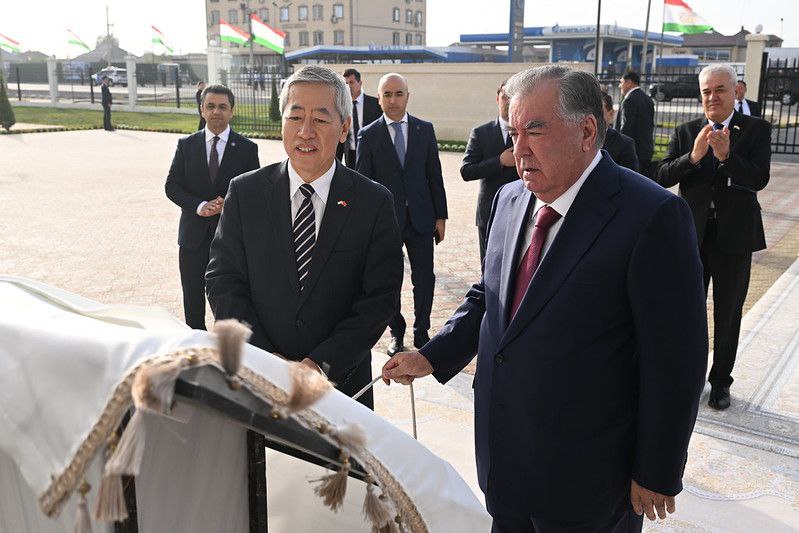
Question: The People's Republic of China was one of the first countries to recognize the independence of the Republic of Tajikistan. Today, based on the principles of good-neighborliness, mutual respect, and trust, bilateral relations have been elevated to the level of a comprehensive strategic partnership in a new era. How do you assess the current state of strategic cooperation between China and Tajikistan?
Answer: Since the establishment of diplomatic relations in 1992, ties between China and Tajikistan have steadily deepened. Under the strategic guidance of the two heads of state, bilateral relations exhibit the following characteristics:
Firstly, the level of relations is constantly improving, and at present they have reached the level of “comprehensive strategic partnership in the new era”;
Secondly, cooperation mechanisms are becoming increasingly sophisticated – under the leadership of the diplomacy of heads of state, mechanisms have been created at various levels, such as the Intergovernmental Commission on Trade and Economic Cooperation and the Strategic Dialogue of Foreign Ministers, which ensures the orderly progress of interaction;
Third, cooperation is continually expanding, encompassing not only traditional areas of politics, economics, security, and people-to-people exchanges, but also expanding into new promising areas such as the digital economy, artificial intelligence, and green technologies. Looking to the future, China and Tajikistan will comprehensively deepen cooperation in even more areas, including interconnected infrastructure and multilateral mechanisms.
Question : According to Chinese statistics, trade between China and the five Central Asian countries will exceed USD 100 billion in 2025, reaching a record high, demonstrating the dynamic development of China-Central Asian cooperation. How do you assess cooperation between China and Central Asia? What do you think are the prospects for cooperation between China and Tajikistan within the framework of the China-Central Asian mechanism?
Answer: As you mentioned, in 2025, the trade volume between China and the five Central Asian countries reached US$106.3 billion, an increase of 12% over the previous year. For the first time in history, the trade turnover between the two sides exceeded US$100 billion, marking a new milestone in the history of cooperation. China became the largest trading partner of the Central Asian countries for the first time, and Central Asia's share in China's foreign trade further increased. This clearly shows that the most important feature of China-Central Asian cooperation is that we live side by side, like close relatives. Its greatest advantage lies in mutual needs and complementarity, and the broadest consensus is mutual benefit, cooperation, and a win-win for all. China's new energy vehicles, electronic products, and e-commerce platforms have entered thousands of homes in Central Asia, and high-quality agricultural products from Central Asia such as cherries, lemons, and grapes have enriched the tables of the Chinese people.