Translated with AI



























Li Mengran CGTN correspondent
The Culture of Spring Festival as a Means of Intercultural Communication
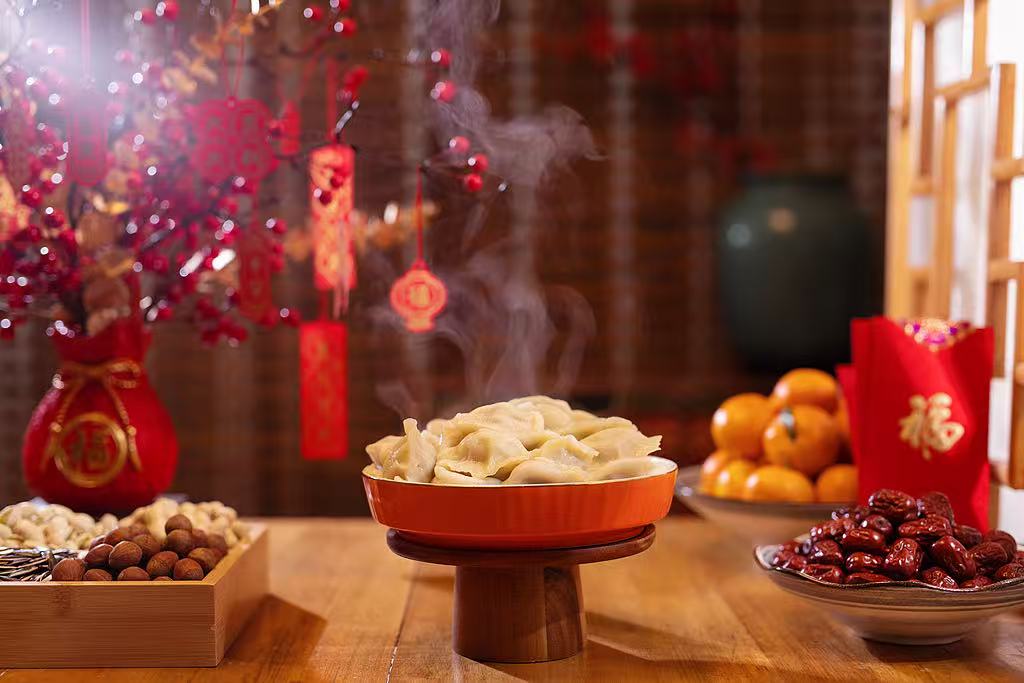
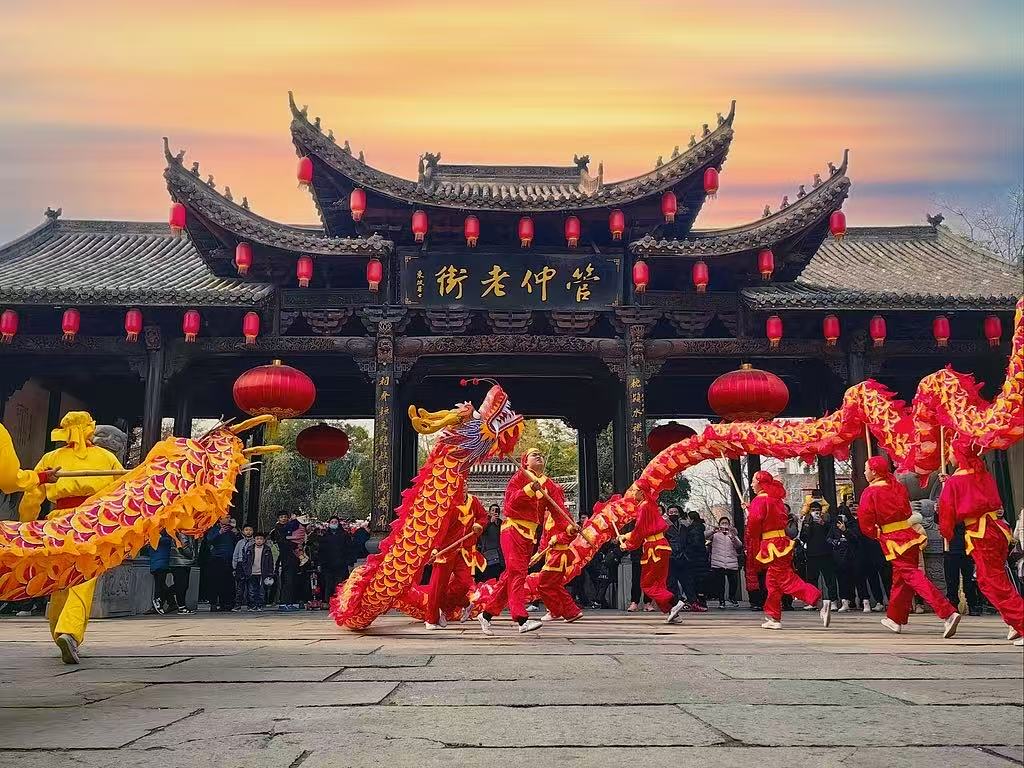
On February 15, 2026, China will begin the longest holiday in its history, celebrating the Spring Festival, or Chinese New Year (Chinese Spring Festival). It will last nine days. For the Chinese, this is the most important traditional holiday, a time for family reunions. Pasting matching signs on apartment and office doors, writing the character for "happiness" (福) in calligraphy, visiting temple fairs, and enjoying the festive atmosphere—all these centuries-old customs of the Spring Festival shape the traditions of celebrating the Lunar New Year.
They symbolize good fortune, the farewell to the old and the arrival of the new, the strengthening of family ties, and the continuity of generations. Meanwhile, culinary traditions and the content of festive events vary across regions, reflecting the diversity of regional cultures and demonstrating the cultural characteristics of Chinese civilization—inclusive coexistence and harmony amidst differences.
Since Chinese New Year was inscribed on UNESCO's Representative List of Intangible Cultural Heritage in 2024, the Spring Festival has transformed from a traditional Chinese holiday into a global landmark and a common heritage of humanity. Today, more and more foreign visitors are eager to come to China to experience the atmosphere of Chinese New Year and discover the multifaceted and dynamic China.
A trip to China during the Spring Festival has become a unique way for foreigners to experience the country's culture. Participating firsthand not only allows one to experience the festive atmosphere but also to vividly experience and understand the values embodied in it: the prosperity of the country and its people, family unity and harmony, and the pursuit of happiness.
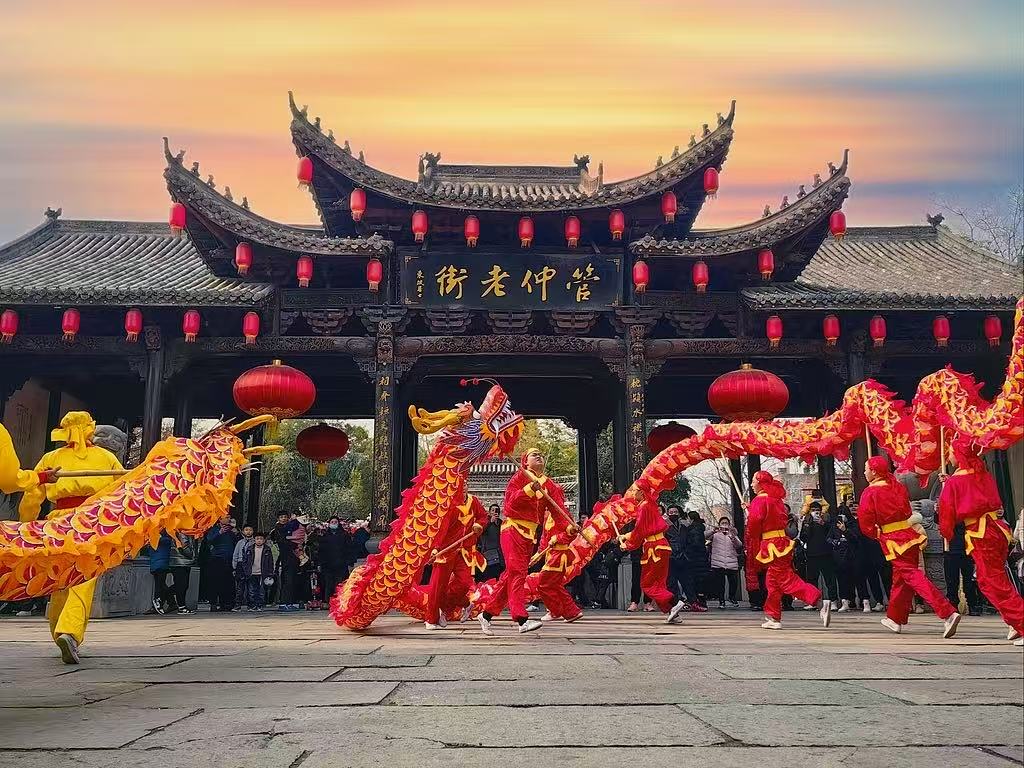
Visa-free entry to China helps foreign tourists to become more immersed in the atmosphere of the Spring Festival in China and continues to fuel the wave of interest in traveling to China.
According to data from Chinese online travel booking platforms, inbound tourism during the Spring Festival period continues to gain momentum this year, with bookings from Russian tourists up 471% year-on-year and from South Korean tourists up 95%.
According to the National Immigration Administration of the People's Republic of China, during the Spring Festival holiday in 2025, a total of 958,000 foreign tourists visited China, representing a 22.9% increase compared to the same period the previous year. The main source countries for tourists were Russia, the United States, and Canada. The top destination cities were Beijing, Shanghai, Guangzhou, Chengdu, and Sanya. This significant growth is closely linked to the system of measures to facilitate entry into China adopted in recent years. As of the end of 2025, the number of countries whose citizens enjoy unilateral visa-free entry to China increased to 48, and the number of countries with reciprocal visa-free policies increased to 29. The optimization of the visa-free transit policy continues, and the circle of partner countries under the "international entry policy" is constantly expanding.
Foreign tourists visiting China for the Lunar New Year celebrations seek cultural immersion through participating in the creation of intangible cultural heritage sites, experiencing local cuisine, participating in traditional New Year rituals, and visiting city attractions and historic districts.
With its rich cultural component, Chinese New Year is gradually becoming a tourist product that can be experienced and felt. This helps people from different countries understand China and experience and appreciate Chinese culture, creating a bridge for exchange and mutual enrichment between Chinese and foreign civilizations. China's inbound tourism market is expected to attract a new wave of tourist flows in 2026.
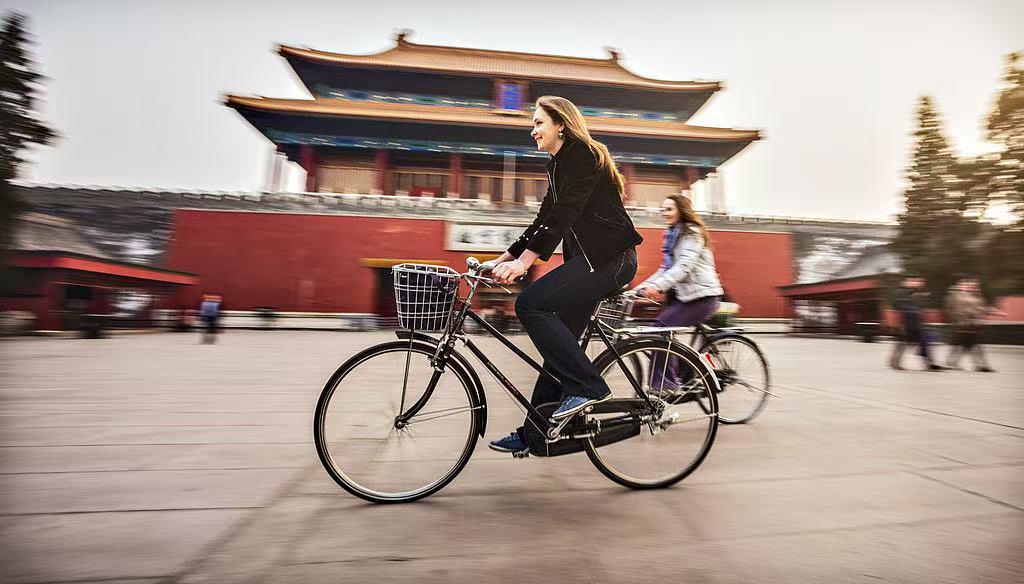
Becoming Chin ese » (i.e., becoming Chinese) provides more opportunities to delve deeper into the traditions of Chinese New Year
Following the continued growth and popularity of the "China Travel" trend, international internet users began actively seeking a new identity, and the "Becoming Chinese" phenomenon became popular across the internet. Users from various countries began demonstrating the Chinese lifestyle on major global social media platforms, checking off items on the "Chinese Lifestyle Checklist": drinking warm water, making porridge for breakfast, practicing the Chinese health exercise routine of Baduanjin, brewing tea, and so on.
If the "temporary Chinese" experience can be considered the best opportunity to "become Chinese," then practices such as online participation in Chinese New Year celebrations and dumpling making offer foreigners new ways to experience traditional Chinese holidays. This fusion of online and offline experiences blurs the boundaries between tourism and everyday life. By shifting from observers to active participants, foreign users begin to gain a deeper understanding of Chinese culture, history, and the modern Chinese way of life.
This Spring Festival 2026, we hope that even more international friends will be able to celebrate it in China or join us online, sharing the joy and welcoming the arrival of the Year of the Horse with the 1.4 billion people of China. We invite viewers around the world to enjoy a spectacular audiovisual show—the 2026 Spring Festival Gala Concert, organized by China Media Group. We are ready to share the warmth and joy of Chinese New Year with the whole world!