Translated with AI
























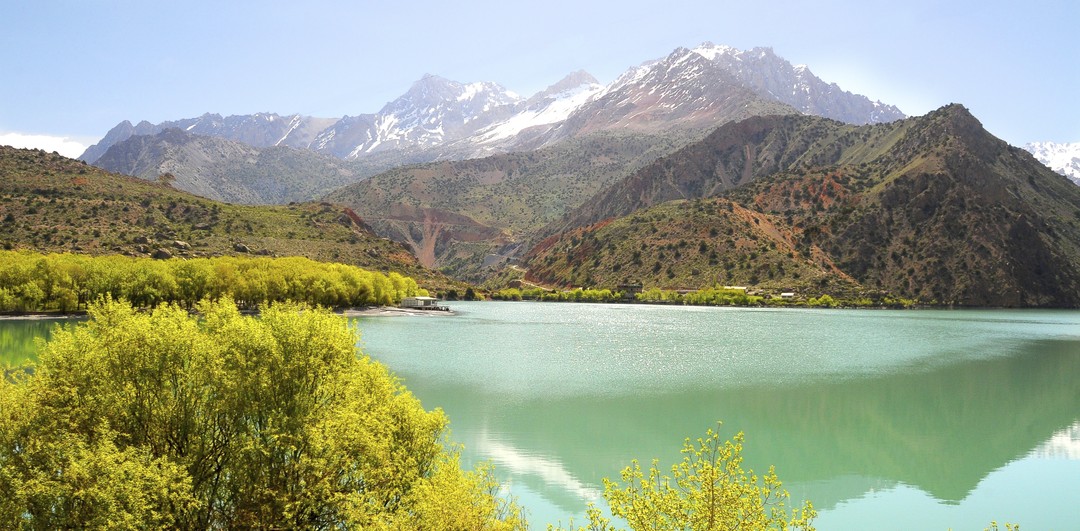
Lake conservation will be a key focus of the 4th International High-Level Conference on the International Decade for Action, "Water for Sustainable Development, 2018–2028," which will take place in Dushanbe from May 25–28. This was announced by the Secretariat of the Dushanbe Water Process.
In many regions of the world, lakes are rapidly drying up, becoming polluted, and losing their ability to support ecosystems and the well-being of millions of people. Climate change, unsustainable and uncontrolled water use, and wastewater pollution from urban and agricultural areas are leading to the exposure of lake beds, the decline of fish stocks, and the deterioration of freshwater quality.
Disruptions to the hydrological cycle are becoming increasingly evident: in some regions, droughts are intensifying and lake levels are falling, while in others, heavy rains and floods are becoming more frequent, and the risk of glacial lake outbursts is increasing.
Pollution remains one of the most pressing problems. Untreated wastewater, high in nitrogen and phosphorus, causes massive toxic algae blooms and the formation of so-called "dead zones," which undermine biodiversity, degrade drinking water quality, and pose threats to food security.
At the same time, experts emphasize that negative trends can be reversed with timely and coordinated action. The solution lies in strengthening integrated water resources management, implementing a basin-wide approach, actively engaging local communities, and expanding investment in monitoring and early warning systems.
These are the issues that will be discussed during thematic panels at the high-level conference on water resources in Dushanbe. Participants will examine practical measures for the protection and restoration of lakes, share successful experiences from countries and regions, and discuss new mechanisms for international cooperation in water security and ecosystem-based water resource management.