Translated with AI






















UNESCO has released a new edition of its global report documenting the rapid changes in the cultural sphere driven by digital transformation, artificial intelligence, new trade flows, and growing threats to artistic freedom. The study, based on data from over 120 countries, shows that without updated cultural policies, inequality among creative content creators will widen, according to the UN press service.
UNESCO Director-General Khaled Al-Anani noted that the report, which has been an international reference for over a decade, offers a "roadmap of more than 8,100 measures" to support cultural professionals in the face of rapid technological change.
Although cultural and creative industries are increasingly serving as engines of economic growth and sustainable development, the infrastructure supporting them remains fragile. According to the report, 85 percent of countries include culture in their national development plans, but only 56 percent formulate specific goals in this area, highlighting a gap between declarations and practical implementation.
Global trade in cultural goods doubled in 2023 to $254 billion, with developing countries accounting for almost half of exports. However, their share of cultural services trade is only slightly over 20 percent, reflecting rising inequality amid the digitalization of markets.
Direct public funding for culture remains critically low—less than 0.6 percent of global GDP—and continues to decline. Limited artistic mobility is an additional barrier: developed countries support the emigration of their creative professionals in 96 percent of cases, but only facilitate the entry of artists from developing countries in 38 percent of cases.
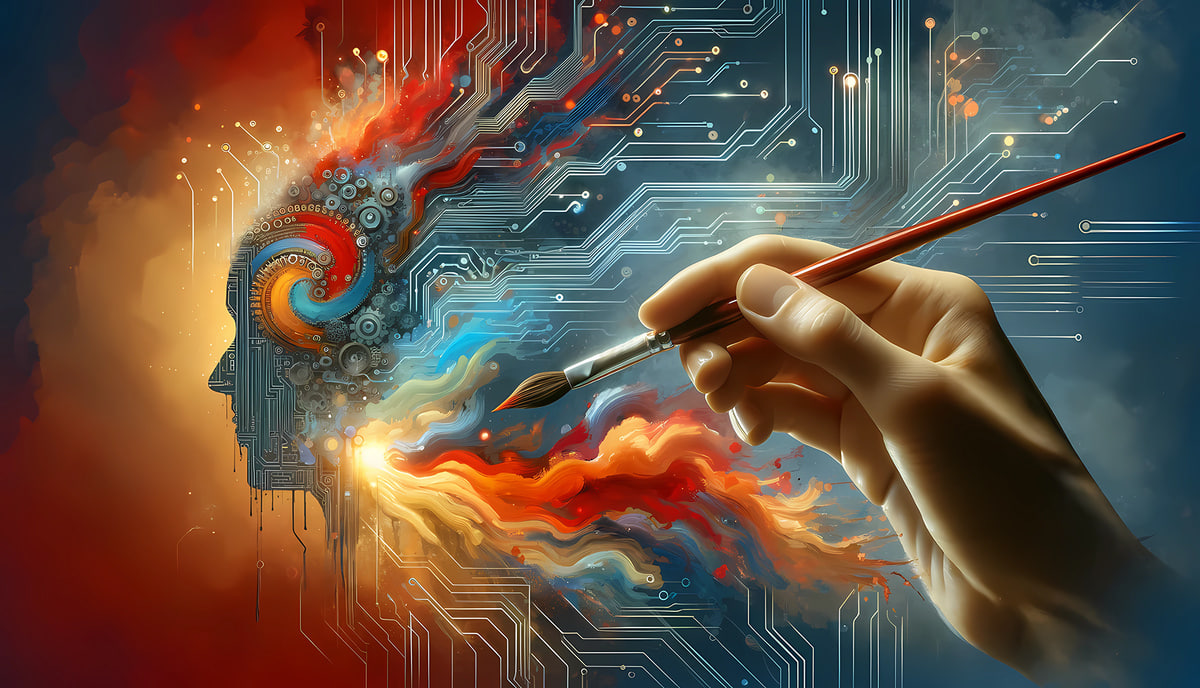
The report documents profound structural changes caused by digitalization. The share of digital revenue in creators' earnings has grown from 17 percent in 2018 to 35 percent today, but income volatility and the risk of copyright infringement have simultaneously increased. The most alarming forecast concerns the impact of generative artificial intelligence: by 2028, music creators could lose up to 24 percent of their income, and audiovisual content creators up to 21 percent.
The digital skills gap remains significant: 67 percent of people in developed countries possess basic skills, compared to only 28 percent in developing countries. Increasing market concentration around a few large streaming platforms and opaque recommendation algorithms further marginalize lesser-known creators. Furthermore, only 48 percent of countries collect relevant statistics, making it difficult to formulate effective policies.
UNESCO also notes growing threats to artistic freedom. Only 61 percent of countries have independent mechanisms in place to monitor violations in this area. Political instability, conflict, and forced displacement increase the risks for cultural workers. Digital surveillance and algorithmic bias pose additional challenges.
Despite progress in women's representation in leadership positions in cultural institutions—rising from 31 percent in 2017 to 46 percent in 2024—the gap between countries remains. In developed countries, women hold 64 percent of leadership positions, while in developing countries, they account for only 30 percent. In many countries, women are still viewed primarily as consumers of culture rather than creators and leaders.