Translated with AI





















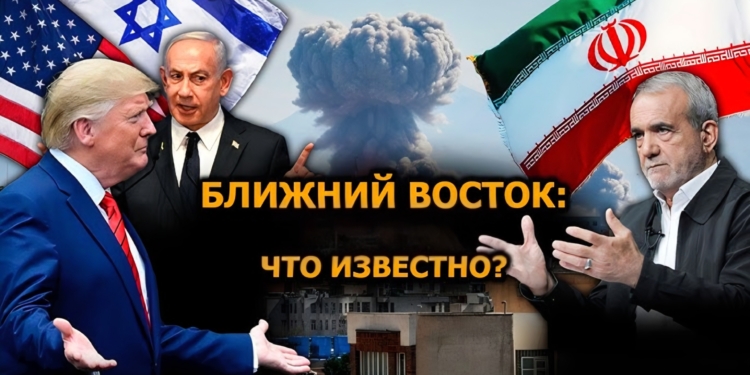
The war in the Middle East continues at a high intensity for the 12th day. According to various sources, more than 1,700 people have died in the first 10 days of the conflict, with the highest number of casualties recorded in Iran and Lebanon. Around 150 American troops have been wounded during operations against Iran.
Iran is ready to begin negotiations with the United States subject to three conditions: guarantees of non-aggression in the future, compensation payments, and recognition of the country's right to a full nuclear fuel cycle at its facilities. According to the Lebanese television channel Al Mayadeen, Tehran rejects mediation overtures and demands real guarantees. Iranian authorities have not yet officially commented on this information.
Iranian President Pezeshkian stated that the country will continue retaliatory strikes against American military bases in the Middle East. The Islamic Revolutionary Guard Corps (IRGC) announced the 35th wave of retaliatory attacks against Israel and American targets. US Defense Secretary Pete Hegseth warned that the new series of strikes could be the most intense since the beginning of the operation.
According to Reuters, approximately 150 American troops were wounded. The US previously reported eight deaths and 18 wounded.
Internet outages continue in Iran: according to NetBlocks, access has been out for approximately 240 hours, almost completely isolating the country.
According to media reports, the attack on the school in Iran was carried out by a US-made Tomahawk missile. The US denies these accusations.
US President Donald Trump stated that Iran could have attacked the US within a week if military operations had not begun. White House Press Secretary Caroline Levitt emphasized that Washington initially attempted to reach a peaceful solution, but Iran chose the path of "death and destruction." Meanwhile, Iranian Foreign Minister Abbas Araghchi denied US claims that the US was preparing a preemptive strike.
Iran reports more than 15,000 casualties following US and Israeli strikes. According to the country's Ministry of Health, 12,495 people have been treated and discharged, 670 surgeries have been performed, and 1,682 wounded remain hospitalized. 132 healthcare facilities and 18 ambulances were damaged.
In Lebanon, 486 people have been killed and 1,313 wounded since the beginning of Israeli strikes.
Iran's new Supreme Leader Mojtaba Khamenei, according to The New York Times, suffered leg injuries during the first day of US and Israeli airstrikes and is currently in hiding at a secret location. He has not appeared publicly since his appointment three days ago.
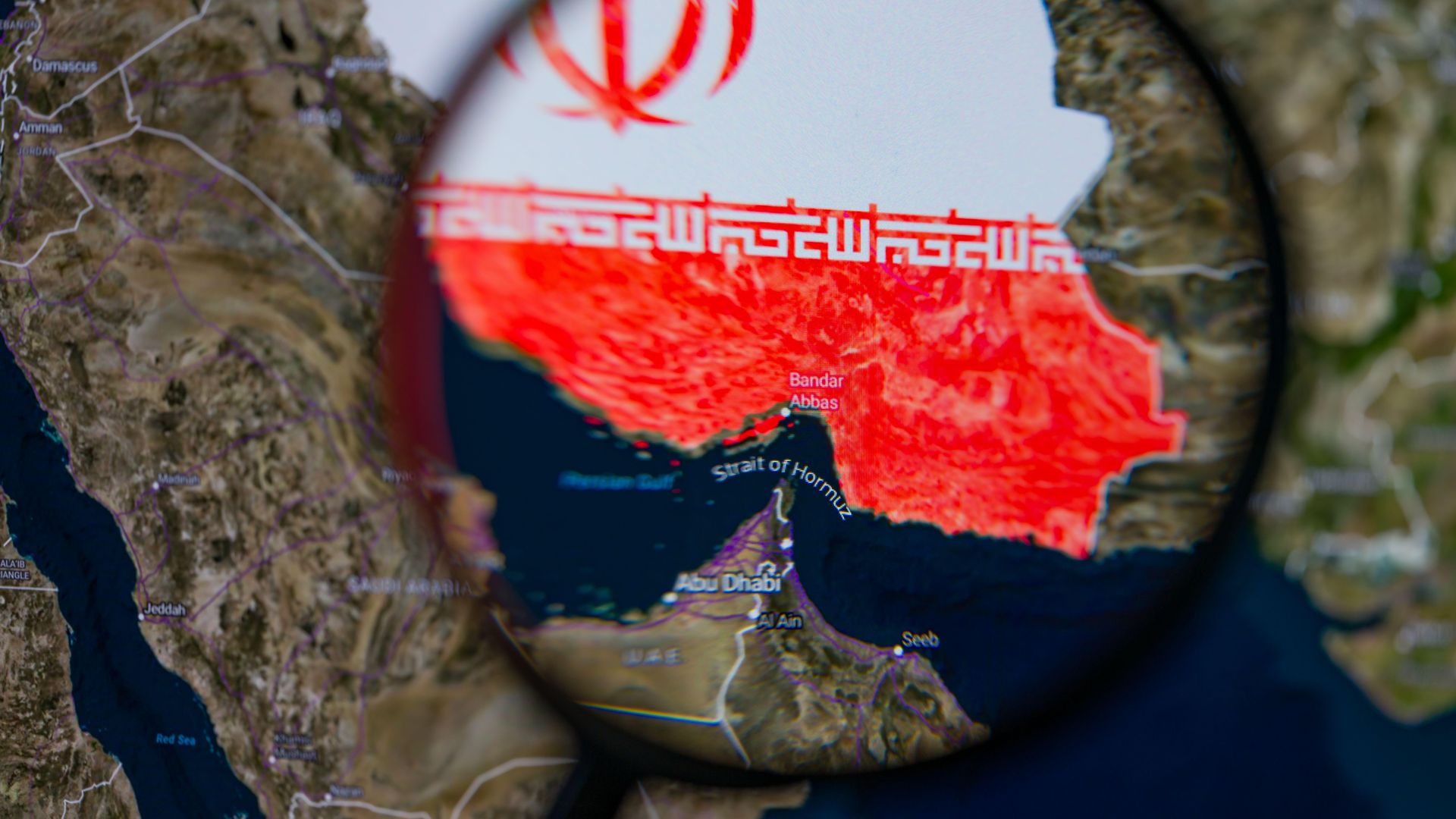
The IRGC denied US reports of escorting American tankers in the Strait of Hormuz, stating that any movement by the US Navy and its allies will be stopped within the range of Iranian missiles and drones. In response to the threat of blocking the strait, Tehran plans to impose security fees on tankers and commercial vessels belonging to US allies.
The Strait of Hormuz remains one of the world's key energy routes, handling approximately 20% of the world's oil and up to 30% of liquefied natural gas shipments. Following the outbreak of the war, Iran announced its intention to blockade the strait, which has already led to a sharp rise in global oil prices.
The US administration has called on Israel to stop attacks on Iran's energy and oil infrastructure, noting that this could lead to civilian casualties, a rise in global oil prices, and retaliatory strikes on targets in the Persian Gulf countries.
According to Bloomberg, Israel plans to increase its defense budget by approximately $13 billion to finance a war with Iran.
The Islamic Revolutionary Guard Corps (IRGC) said countries that expel the US and Israeli ambassadors will be able to pass through the Strait of Hormuz unhindered, stressing that if US attacks continue, Iran will not allow a single liter of oil to leave the region.