Translated with AI

























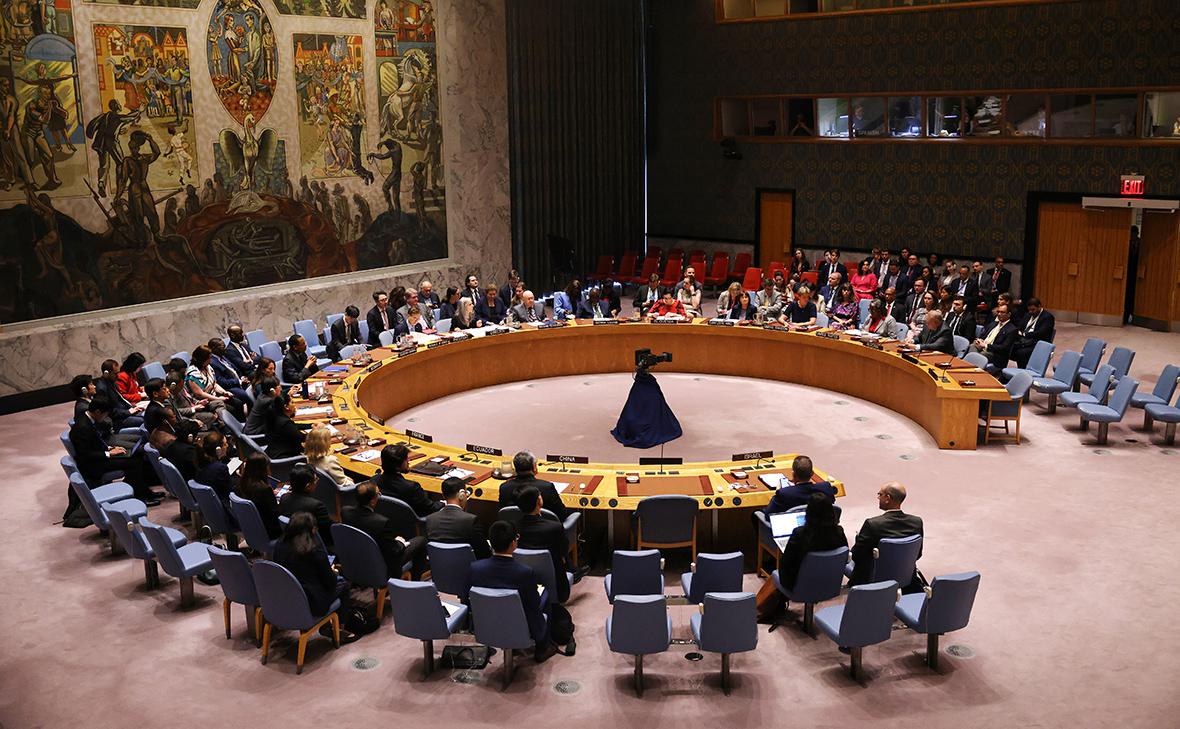
The UN Security Council demanded an immediate end to Iran's attacks on neighboring states in the Persian Gulf. The corresponding resolution was adopted on Wednesday, March 11, 2026, by a vote of 13 of the 15 member states of the principal UN body responsible for upholding international law and security.
The resolution was introduced by members of the Gulf Cooperation Council (GCC)—the United Arab Emirates, Saudi Arabia, Kuwait, Oman, Qatar, and Bahrain—and Jordan. The document notes that Iran's attacks on these states violate international law and pose a "grave threat to global peace and security." However, the text does not mention the United States and Israel, which initiated military action against Iran.
The resolution also condemns "any actions or threats" by Tehran aimed at blocking, obstructing, or otherwise disrupting international shipping through the Strait of Hormuz. This strait, a key transport artery for oil exports from countries in the region, has been effectively blockaded by Iran since the start of US and Israeli military operations against the country.
Russia and China did not support the resolution. Russia's Permanent Representative to the UN, Vasily Nebenzya, stated that the document was "one-sided and biased" and "incapable of achieving peace in the region." He added that Russia had proposed adding a condemnation of the strikes on Iran to the text. Russia also submitted its own resolution on the Middle East conflict, but it was vetoed by the United States.
Iran criticized the adoption of the Gulf resolution. Iran's representative, Amir Saeed Iravani, called the document "an abuse of the UN Security Council's mandate to achieve the political goals of the United States and Israel," adding that Iran is "the victim of an act of aggression."