Translated with AI















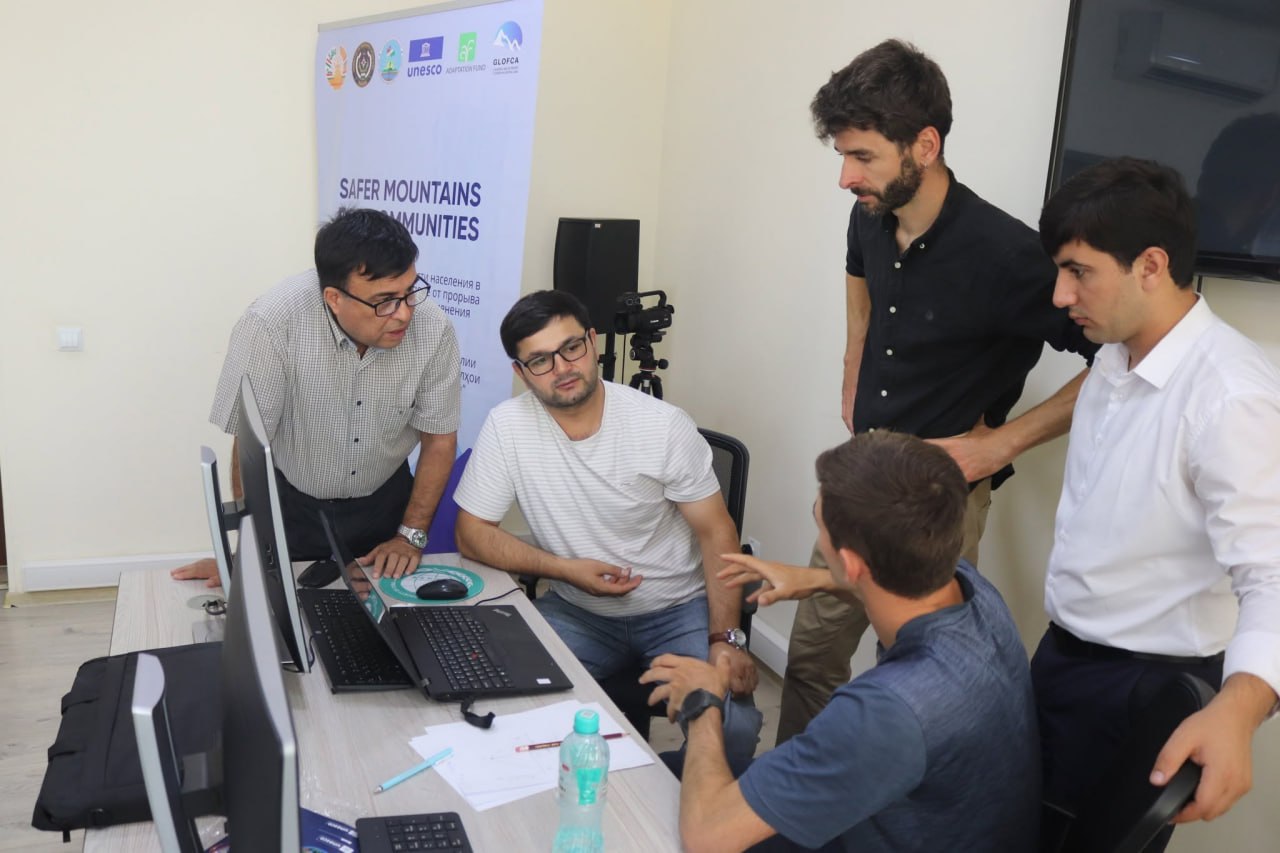


















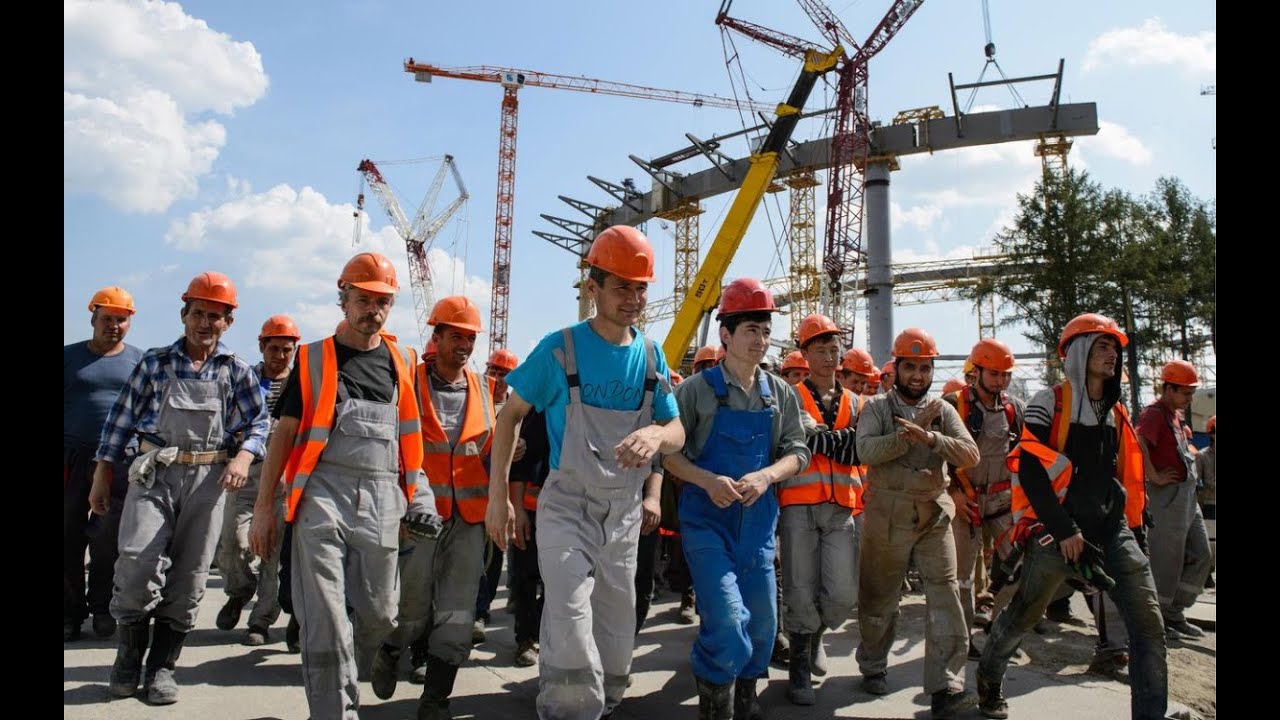
Experts from CIS member states are working on a draft Comprehensive Program aimed at creating a common labor market and regulating labor migration, according to the press service of the CIS Executive Committee.

The expert group meeting to approve the draft Comprehensive Program took place on March 27 at the Commonwealth headquarters.
The meeting was attended by representatives of Belarus, Kazakhstan, Kyrgyzstan, Russia, Tajikistan, Uzbekistan, as well as the CIS Executive Committee.
Having reviewed and discussed the comments and suggestions received from states regarding the draft Comprehensive Program, the experts made certain changes to the text of the document.
The draft document is being developed in accordance with the updated Concept for the phased formation of a common labor market and regulation of labor migration in the CIS member states.
The goal of the Concept is to further develop cooperation between countries in the area of social and labor relations, as well as to develop coordinated approaches to the formation of a common labor market and the regulation of labor migration.
The updated Concept outlines the need to address issues of informing citizens about employment opportunities in other CIS member states, ensuring preliminary preparation for those wishing to leave for employment, providing the necessary legal and informational and consultative assistance, financial support and social security, checking those leaving for work for entry bans to the country of employment or being on the international wanted list, and using biometric identification mechanisms.
The Concept reflects changes in employment patterns, including those resulting from the development of digital technologies. Specifically, it introduces the concepts of "remote work," "self-employment," and others.
According to the document, the first stage of establishing a common labor market involves harmonizing approaches to the recognition of educational documents in employment states. The second stage involves developing mechanisms for comparing learning outcomes in vocational training and retraining programs. The third stage involves completing the formation of a unified legal framework for the common labor market, taking into account the key provisions of international legal acts and agreements in the areas of labor, employment, and migration.