Translated with AI










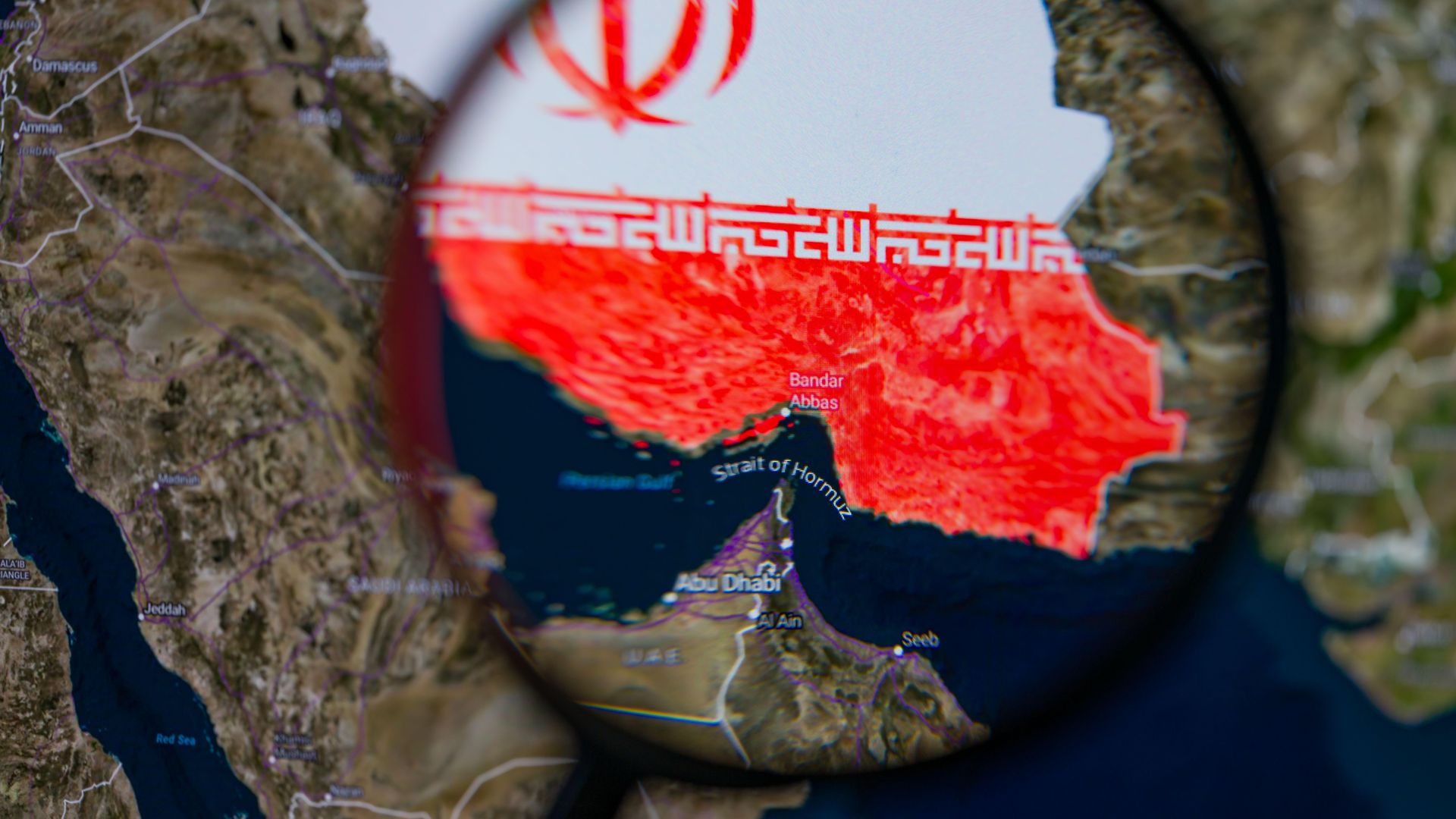





















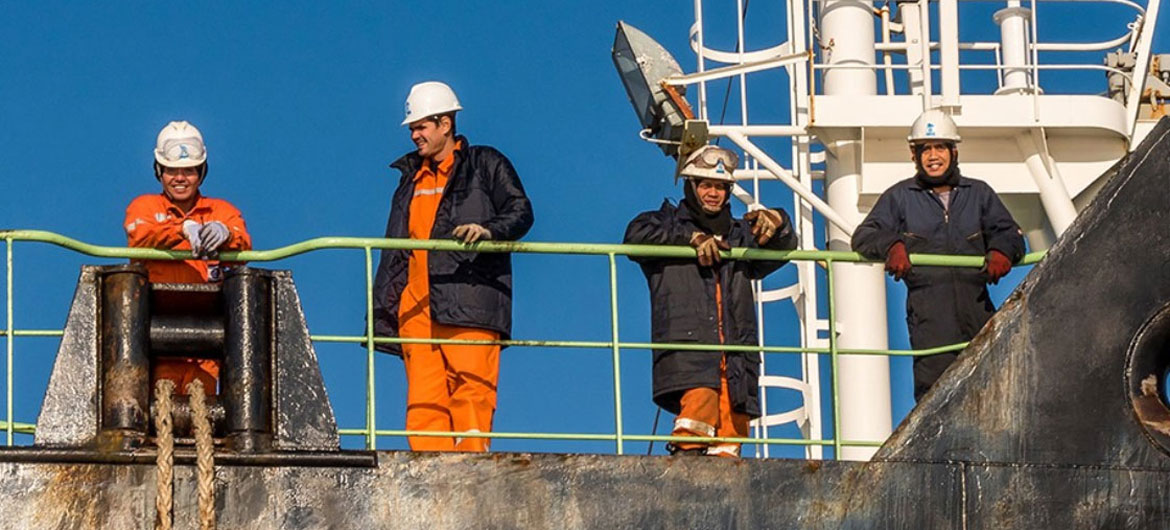
An unprecedented situation has developed for sailors in the Strait of Hormuz amid the ongoing war in the Middle East. According to the International Maritime Organization, approximately 20,000 people remain trapped in the conflict zone. This was reported by the UN press service.
There are reportedly approximately 2,000 vessels in the strait, including oil and gas tankers, cargo ships, and six cruise ships. Before the conflict, about 150 ships passed through the strait daily, but now the number is no more than five.
Iran, which controls the northern part of the strait, claims it does not allow ships from "unfriendly" countries to pass through. However, it has been reported that individual cargo ships continue to navigate through the strait.
Since the beginning of the conflict, according to the organization, 19 attacks on ships have been recorded. These incidents resulted in the deaths of seven sailors, eight injuries, and five missing. A fully loaded oil tanker was also reportedly hit off the coast of Dubai, presumably by a drone.
The International Maritime Organization stated that there have been no recent instances of such a large number of sailors being stranded in a combat zone. The organization is working to ensure the evacuation and safety of crews.
The International Transport Workers' Federation reported receiving more than a thousand requests from seafarers on ships asking for assistance and repatriation.
The ships are being provided with food, water, and fuel with the support of companies from Saudi Arabia and Oman. Meanwhile, the crews are forced to move within the Persian Gulf in search of safer waters.
The Strait of Hormuz is of key importance to the global economy: about 20 percent of the world's oil and gas supplies pass through it.
In the short term, efforts are aimed at ensuring the safety of crews, but the safe passage of ships through the strait is only possible after the cessation of hostilities.