Translated with AI









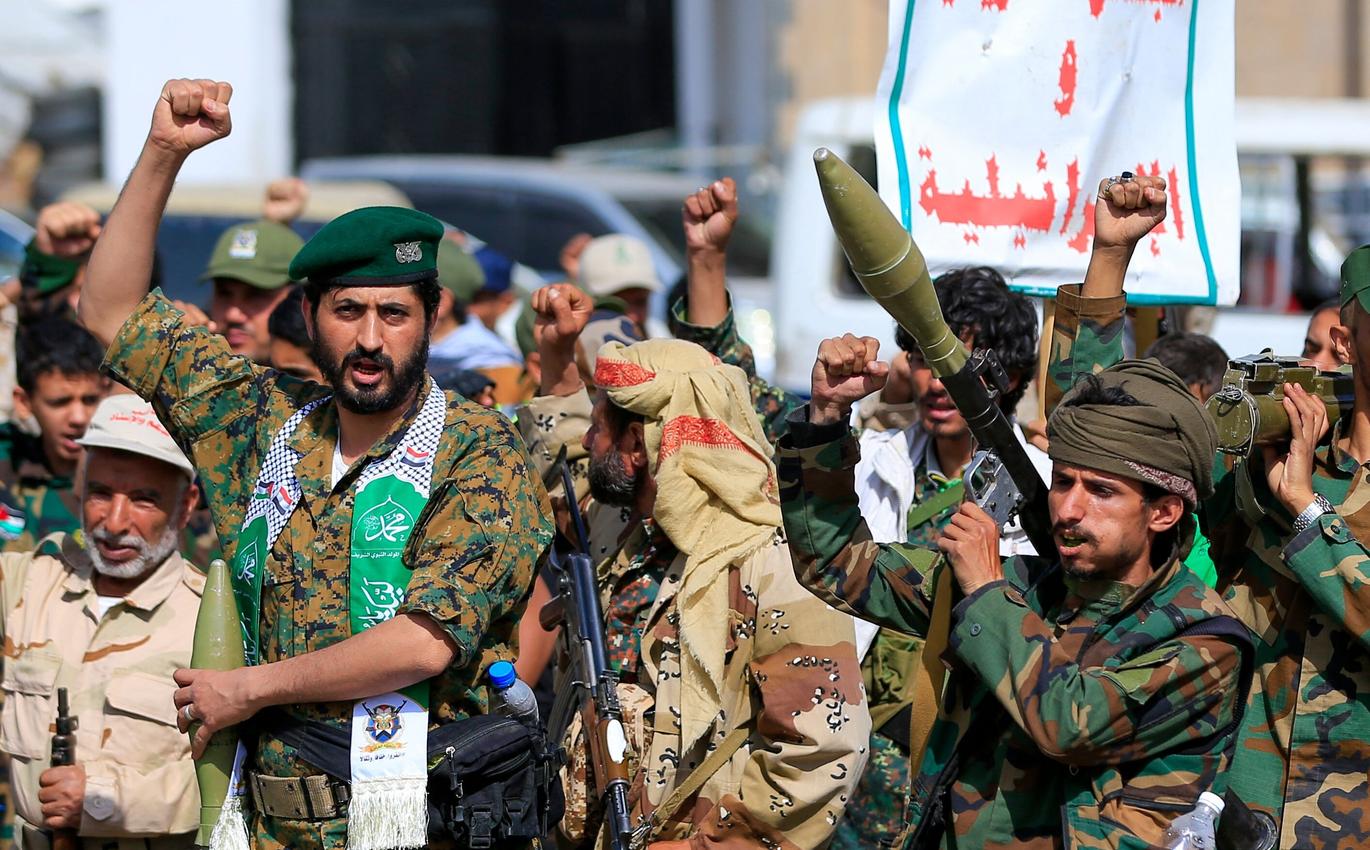





















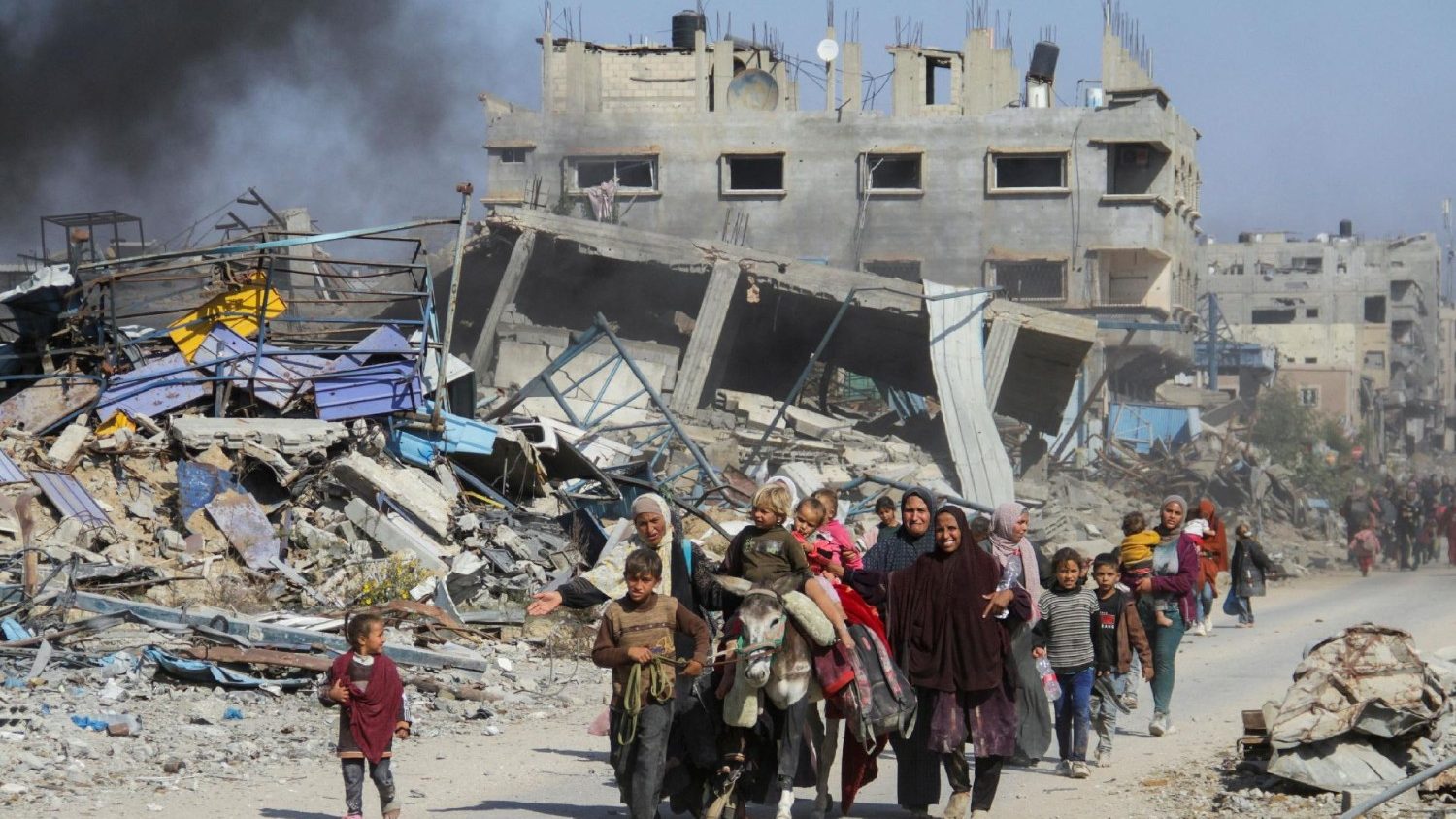
The escalation in the Middle East is having an increasingly serious humanitarian and economic impact on countries around the world, the United Nations warns.
It is reported that on Monday, April 6, during morning trading in Asia, the price of Brent crude oil rose to almost $110 per barrel, after which it fell slightly.
Rising oil prices, driven by reduced traffic through the Strait of Hormuz, are driving up the cost of transportation, electricity, and agricultural inputs worldwide, particularly in countries dependent on energy imports. Shipping disruptions and rising insurance costs due to war risks are increasing pressure on global supply chains, while fertilizer shortages are raising concerns about food production.
The crisis is also affecting humanitarian efforts. The World Food Programme stated that the situation in the Middle East has significantly disrupted global food supply chains. Deliveries of approximately 70,000 metric tons of food, enough to feed 4 million people for a month, are being delayed, increased in price, or diverted.
WFP forecasts that if the crisis drags on, up to 45 million people could be pushed to the brink of acute hunger.
According to UNCTAD, the reduction in maritime traffic through the Strait of Hormuz is increasing financial pressure on developing economies. Growing uncertainty is leading to investment outflows, weakening national currencies, and rising borrowing costs.
The World Health Organization said medical evacuations from Gaza to Egypt through the Rafah crossing were suspended immediately on April 6 following a serious security incident.
Lebanon's healthcare system is under severe pressure. Since the beginning of March, 92 attacks on medical facilities, ambulances, and staff have been recorded, resulting in 53 deaths and 137 injuries. The number of emergency calls has tripled in some hospitals, while others have been forced to close.
Meanwhile, the WFP continues its work in the region: 440,000 people in Lebanon and over 70,000 people at border crossings in Syria have already received assistance. However, access to those in need remains limited – nearly 80 percent of humanitarian convoys to southern Lebanon did not reach their destinations due to security concerns.
UNFPA warns that women and girls are bearing the brunt of the crisis. In Lebanon, more than 1.2 million people have fled their homes, including approximately 13,500 pregnant women, many of whom lack access to basic healthcare. More than 620,000 women and girls face heightened risks of violence and exploitation.
UNFPA is expanding its assistance, including mobile clinics, safe spaces and distribution of essential supplies, but warns of the risk of these services being disrupted due to funding shortages.
Amid ongoing hostilities, the IAEA confirmed the impact of strikes near the Bushehr Nuclear Power Plant in Iran, including one strike 75 meters from its perimeter. However, the plant itself sustained no damage.
IAEA Director General Rafael Mariano Grossi stated that continued military activity near an operating nuclear power plant could lead to a serious radiological accident with severe consequences for the population and the environment both in Iran and abroad. He emphasized that nuclear facilities should not be targeted.