Translated with AI



























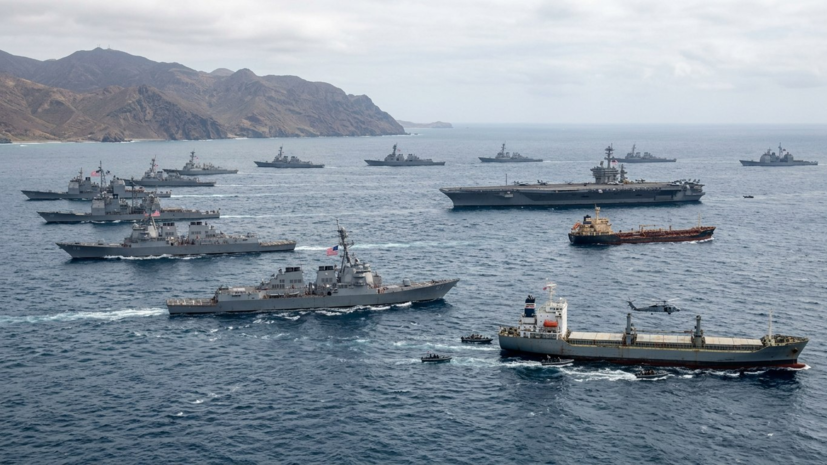
The United States plans to begin a naval blockade of Iran on April 13, blocking all shipping entering and leaving ports in the Islamic Republic, according to U.S. Central Command (CENTCOM).
According to a statement from the command, the operation will begin at 10:00 a.m. ET in accordance with the presidential order. It is noted that the restrictions will apply to vessels of all countries, without exception, if they are heading to or leaving Iranian ports.
CENTCOM emphasized that the measures will not affect ships transiting through the Strait of Hormuz to and from ports in other countries.
Earlier, US President Donald Trump announced his intention to impose a blockade on April 12 following a failed round of talks with Iran in Islamabad, without specifying a start date. According to the dpa news agency, these measures aim to curb Tehran's oil revenues and prevent it from collecting fees from shipping companies for transit through the Strait of Hormuz.
Iran strongly rejected the American statements. Naval Commander Shahram Irani called the threats "ridiculous" and "absurd." He stated that the Iranian Navy monitors and controls American military activities in the region.
Global oil prices rose as the situation worsened. According to dpa, the price of a barrel of Brent crude for June delivery reached $102.50 at the opening of trading, down from $95.20 on April 11.
The American leader also accused Tehran of "global blackmail," claiming that the parties had failed to reach an agreement on the Iranian nuclear program during negotiations. He claimed that Iran had violated its promise to open the strait, citing the alleged mines placed there. In response, Trump again announced the start of operations to "clear" the waterway.
Following the talks in Islamabad, US Vice President James David Vance announced that the parties were unable to reach an agreement, noting that this has more serious consequences for Iran than for the United States.
In turn, Iranian Foreign Ministry spokesman Ismail Baghai stated that the parties had reached mutual understanding on a number of issues, but disagreements remained on several key positions.
One of the main points of contention was the Strait of Hormuz. According to The Financial Times, Iran insisted on the right to control this waterway and levy duties on passing vessels, rejecting US proposals for joint management.
As Fars News Agency reported, Tehran considers Washington's demands regarding the strait and other issues excessive and unacceptable. Furthermore, the country's authorities refuse to unblock the Strait of Hormuz until a final agreement is reached with the US.