Translated with AI
































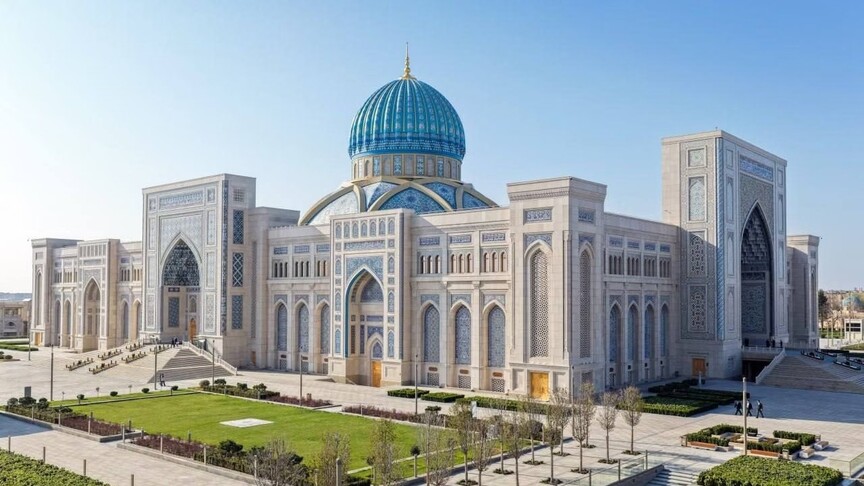
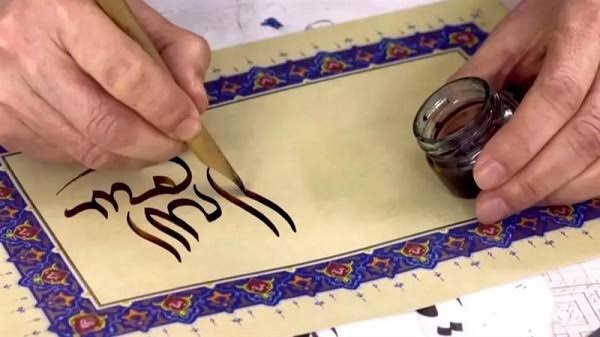
The Center for Islamic Civilization in Uzbekistan announced the creation of a School of Calligraphy.
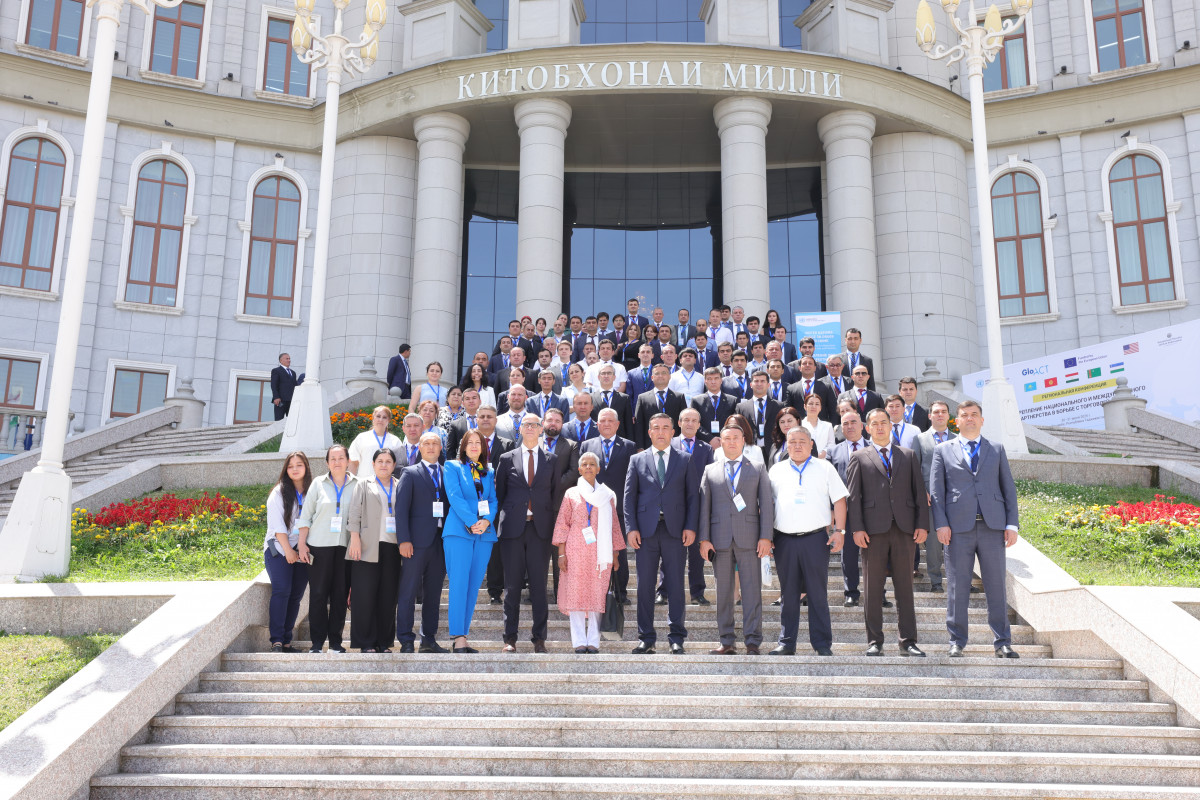
The Center for Islamic Civilization in Uzbekistan announced the creation of a School of Calligraphy. This important scientific and educational project was announced as part of a seminar entitled "The Calligraphic Heritage of the Timurid Era—Continuity of Traditions," dedicated to the 690th anniversary of the birth of the great commander Amir Temur.
The seminar brought together leading experts in the fields of Islamic art, history, and philology, providing a significant platform for a comprehensive discussion of the spiritual and cultural significance of the art of calligraphy.
The initiative to open a School of Calligraphy at the Center for Islamic Civilization was put forward by the esteemed President of our country, Shavkat Mirziyoyev, on January 29, 2025. A year later, this initiative received widespread support from international organizations, and the project was officially launched at a conference dedicated to the Timurid civilization. "The establishment of the School of Calligraphy is a logical continuation of large-scale reforms aimed at preserving and promoting our country's cultural heritage," noted Firdavs Abdukhalikov in his address to the event participants.
As noted, calligraphy reached its highest level of development during the Timurid era and became a symbol of cultural advancement. According to scholarly evidence, after the establishment of a centralized state, Amir Timur gathered the best calligraphers from various regions in the capital. Scripts such as suls, nasta'liq, and Kufic reached their peak. Outstanding works were created, including the famous "Boysungur" manuscript of the Quran.
International experts praised this initiative. In particular, IRCICA Director General Mahmud Erol Kılıç noted the role of Islamic calligraphy in global culture and its high aesthetic and spiritual value. Coşkun Yılmaz, Chairman of the Turkish Manuscripts Authority, presented information about the rare manuscripts housed in the Süleymaniye Library, emphasizing that a significant portion of them are related to the history of Central Asia. Sali Shahsuvari, Director of the Al-Furqan Islamic Heritage Foundation (UK), described the Timurid era as a true period of intellectual and cultural renaissance.
It is noted that the School of Calligraphy will function not only as an educational institution but also as a research and cultural center. Its mission will include training specialists, preserving and restoring manuscript heritage, and developing international cooperation.