Translated with AI












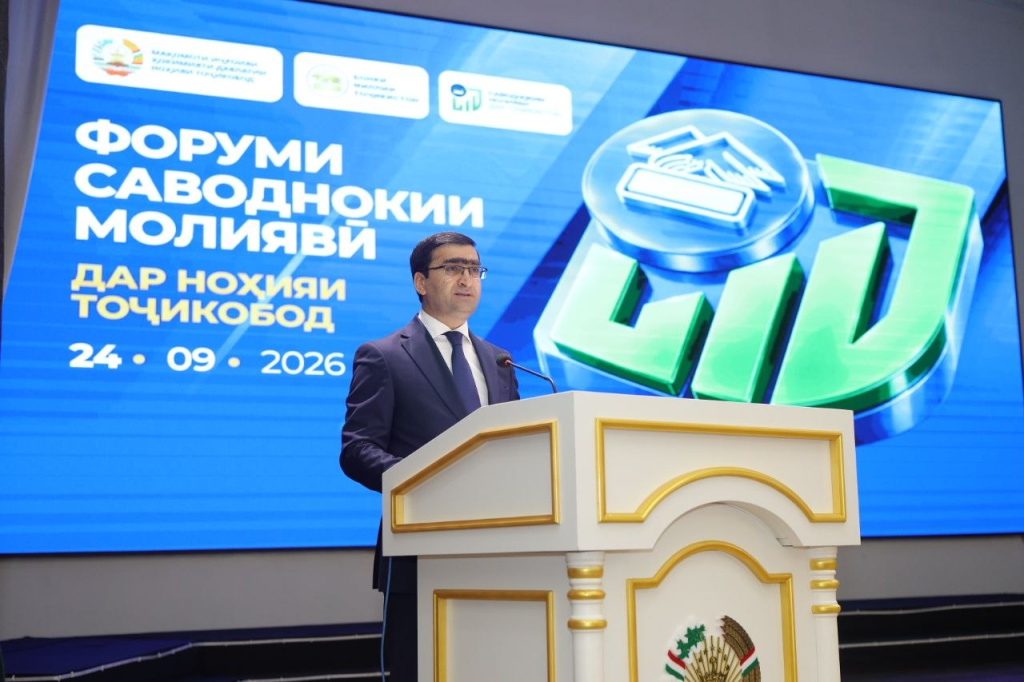




















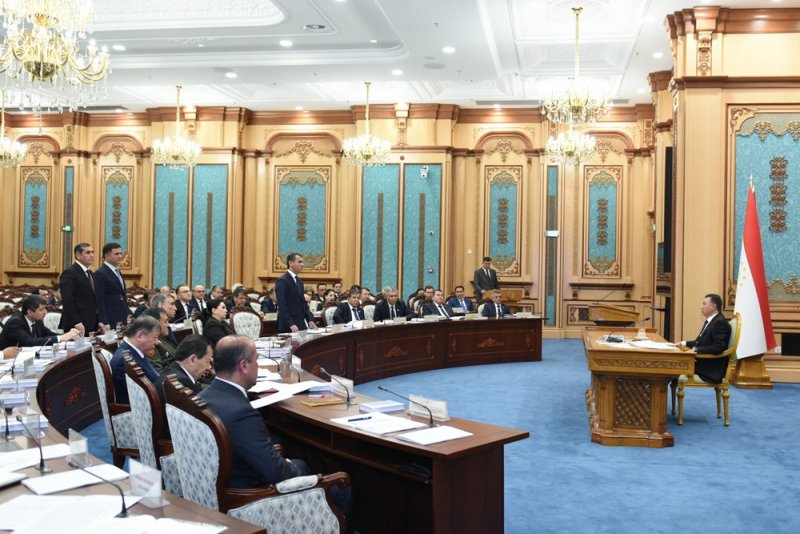
On April 16, the National Anti-Corruption Council held its regular meeting in the Government of Tajikistan building, chaired by Prime Minister Kokhir Rasulzoda, NIAT Khovar reports.
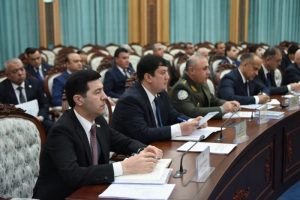
The meeting was attended by members of the council, including presidential aides, representatives of the Majlisi Oli, as well as heads of ministries and departments, political parties and public associations.
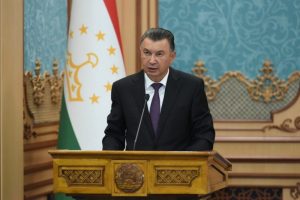
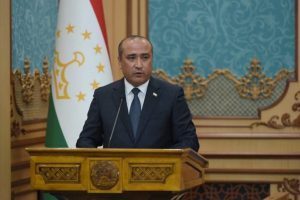
Opening the meeting, Kokhir Rasulzoda presented a report on the council's activities in 2025 and plans for 2026. He emphasized that the effectiveness of the fight against corruption is largely determined by the coordinated work of government agencies and civil society, as well as the implementation of effective mechanisms for oversight, transparency, and accountability at all levels.
It was noted that the National Anti-Corruption Council was established for this very purpose, as well as public commissions under the executive authorities of regions, cities, and districts. Their task is to implement comprehensive measures to prevent corruption and coordinate interactions between government agencies and civil society.
During the meeting, attention was drawn to the decree of the President of Tajikistan Emomali Rahmon of March 6, 2026, which approved an action plan for the implementation of the State Anti-Corruption Strategy until 2030 in the second stage, covering 2026–2030.
According to the document, the primary focus is on strengthening preventative measures in areas most vulnerable to corruption. Specifically, this includes eliminating the human factor through digitalization, increasing transparency in public administration and the private sector, and expanding international cooperation and communicating the results achieved.
The meeting participants also reviewed the results of a comprehensive monitoring of the strategy's implementation, the activities of public commissions under local government bodies, and the implementation of digital technologies in the anti-corruption process.
In accordance with the head of state's instructions, it was emphasized that accelerating the digitalization of public services and expanding cashless payments are considered key tools for preventing corruption. Specific instructions were issued to the responsible authorities in this regard.
Following the meeting, the work plan of the National Anti-Corruption Council of Tajikistan for 2026 was approved.