Translated with AI



















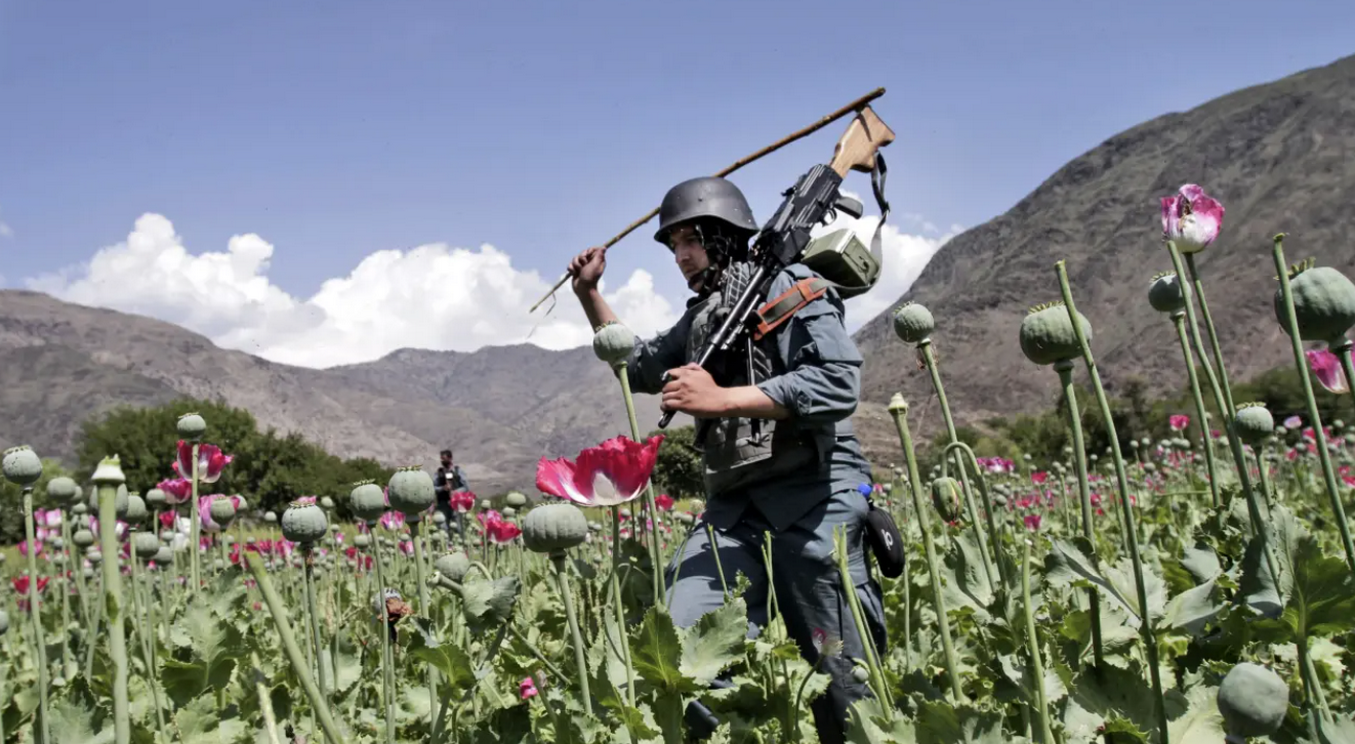
The Washington Post has revealed details of a classified operation the US Central Intelligence Agency (CIA) conducted in Afghanistan for twenty years, Fergana.ru reports.
According to the publication, the program involved the mass aerial spraying of modified poppy seeds over Afghan fields in order to disrupt heroin production, which financed the Taliban terrorist movement and provided a significant portion of the world's supply of the drug.
From the fall of 2004 to 2015, the CIA periodically dropped billions of tiny poppy seeds from C-130 transport planes during night flights. These seeds had been naturally selected to contain the minimum amount of alkaloids needed for heroin production. The strategy envisioned these plants interbreeding with local varieties and gradually displacing them, becoming the dominant variety in the region.
Despite its inventive approach, the program ended in abject failure. According to sources close to the project, the failure was caused by a combination of factors: bureaucratic infighting between agencies in Washington, tensions between the US and its allies, unstable support for Afghan President Hamid Karzai and his government, and the deep-rooted culture of poppy cultivation in rural Afghanistan.
Moreover, the Pentagon has repeatedly expressed its disagreement with the initiative, considering it a distraction from the main mission – eliminating Islamist terrorists and fighting the Taliban.
Many details of the operation remain classified, including the allocated budget, the number of flights carried out, and the actual effectiveness of the program on the ground.
A 2018 report by the U.S. Special Inspector General for Afghanistan Reconstruction (SIGAR), prepared without the covert operation, concluded that none of the counternarcotics programs implemented by the U.S., its coalition partners, or the Afghan government had resulted in a sustained reduction in poppy cultivation and opium production.