Translated with AI
































The Second International Forum "Sustainable Development of Mountain Regions" will be held in Makhachkala from October 1-3, with representatives from CIS countries participating, the Organization's Executive Committee press service reported.
Consolidating efforts to dispose of radioactive waste and promoting the socio-economic development of areas where hazardous facilities are located will be the theme of the second international forum, "Sustainable Development of Mountainous Regions."
Representatives from CIS countries will exchange information and experience at the forum, discussing how to ensure sustainable results from reclamation work, the latest technologies that improve environmental safety and the economic efficiency of nuclear energy, and how to build a dialogue with the public in this complex but important matter.
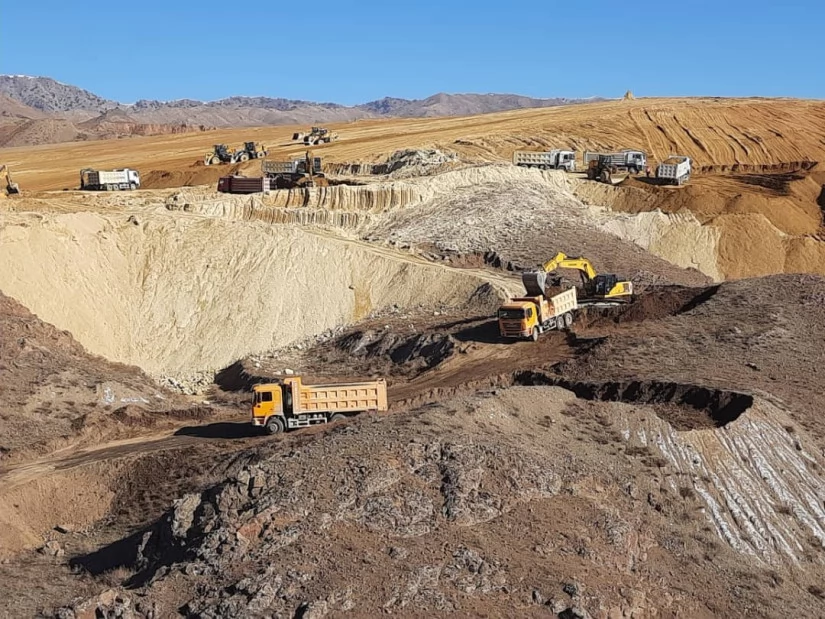
Today, there are 145 nuclear legacy sites remaining in the CIS countries, 54 of which are in Central Asia, mostly in mountainous areas.
These facilities were built during the Soviet era and, in many cases, do not meet modern nuclear, radiation, and environmental safety requirements. Addressing this problem requires the combined efforts of several countries.
Over the past 10 years, measures to ensure radiation and environmental safety have been implemented in the Central Asian region. For example, within the Commonwealth of Independent States, the Interstate Target Program "Reclamation of Territories of States Impacted by Uranium Mining Operations" is being successfully implemented. The Russian State Atomic Energy Corporation ROSATOM serves as the program's coordinator and client.
Summarizing the results of the remediation of former uranium mining sites in Central Asia for 2023, experts from the IAEA Coordination Group concluded that post-remediation measures at former uranium mining sites are increasingly important, as they are directly linked to the socioeconomic development of adjacent communities. The sustainability of remediation results largely depends on the well-being of the surrounding communities.
Heads of municipalities in Armenia, Belarus, Kazakhstan, Kyrgyzstan, Russia, Tajikistan, and Uzbekistan located in close proximity to nuclear energy facilities, as well as representatives of executive authorities and international organizations, and specialists from relevant organizations in the CIS countries, are invited to participate in the forum discussion.
Participants will use examples to demonstrate the impact of implemented hazardous site remediation projects on the socioeconomic status of adjacent territories formed during the development of nuclear energy complexes. Heads of municipalities from the Gomel Region (Belarus), Sughd Region (Tajikistan), and Jalal-Abad and Naryn Regions (Kyrgyzstan) will share their experiences implementing projects and programs to develop affected areas.
The discussion could result in the creation of unified recommendations for improving public engagement practices in special territories, the preparation of proposals for legislative support for their sustainable development, and the establishment of contacts between participants for further cooperation and information exchange.
The decisions being made today are aimed not only at addressing current challenges but also at ensuring long-term safety. When assessing the sustainability of nuclear energy, the approach to radioactive waste management plays a key role. Developing an efficient and safe radioactive waste management infrastructure is a strategic objective for the global nuclear energy industry.
Along with the CIS Interparliamentary Assembly, TVEL JSC will host the discussion. In 2021, by decision of the CIS Economic Council, the company was designated as the Basic Organization of the CIS Member States for the Management of Spent Nuclear Fuel, Radioactive Waste, and the Decommissioning of Nuclear and Radiation-Disposed Facilities.