Translated with AI






















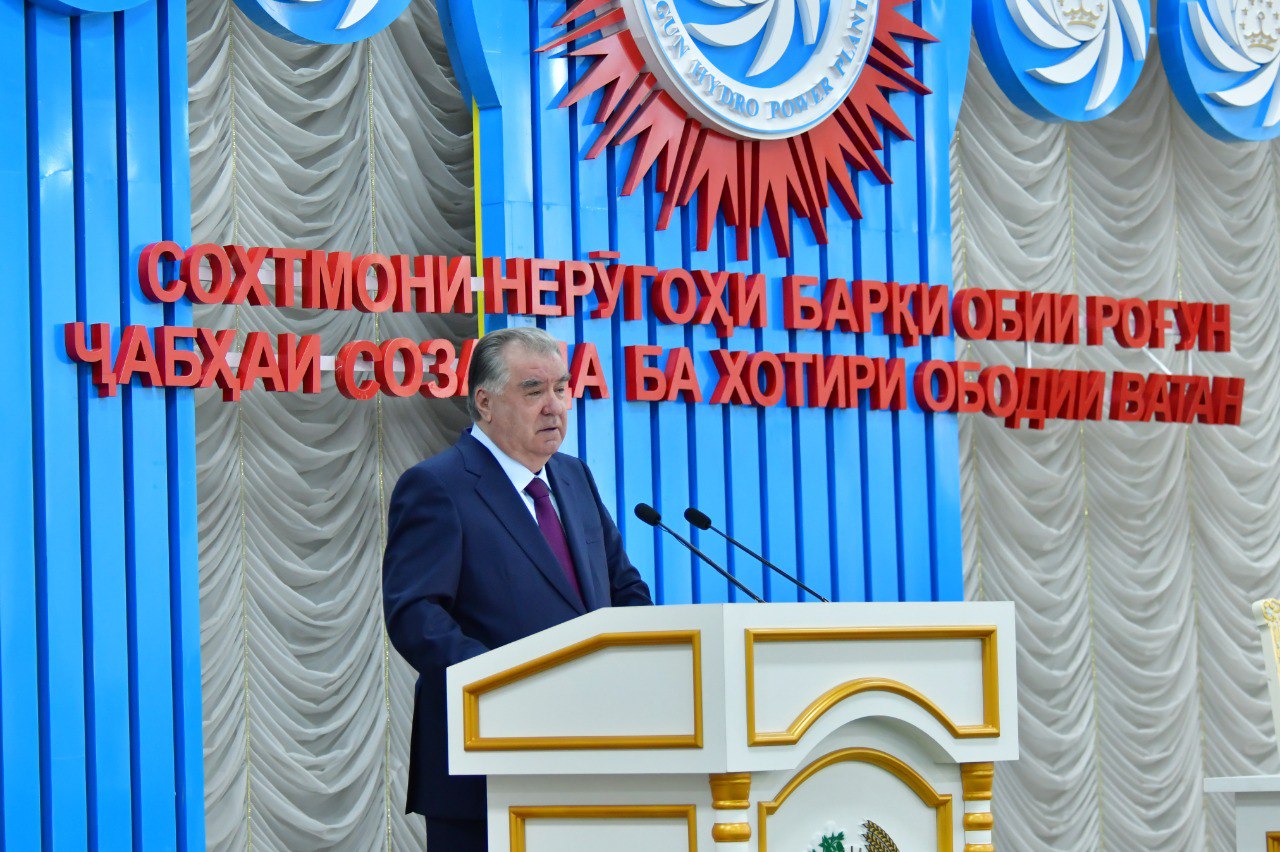
On Wednesday, Tajikistan's President and Leader of the Nation Emomali Rahmon visited the city of Rogun and met with Rogun Hydroelectric Power Station employees and city officials, the presidential press service reported .
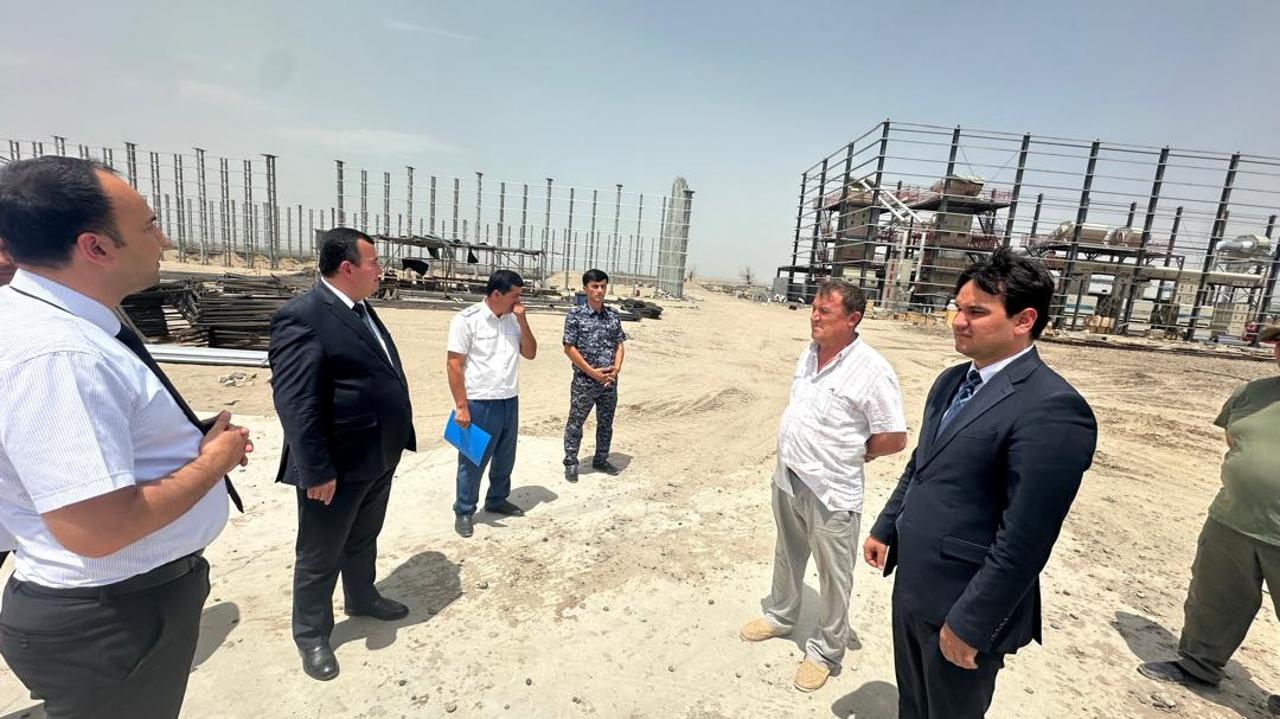
During the visit, the head of state reviewed the hydroelectric power plant's construction progress, assessed the achievements, and gave instructions to expand the scope of work and improve quality control. The president emphasized that the results of the current construction phase significantly exceed those of last year's visit.
"With the construction and full launch of the Rogun Hydroelectric Power Plant, we will ensure Tajikistan's prosperity today and tomorrow, and a happy life for current and future generations," Emomali Rahmon noted.
He emphasized that the first two units of the hydroelectric power plant have generated 9.1 billion kWh of electricity worth 2.1 billion somoni since their commissioning. In 2026, the temporary impellers of the fifth and sixth units are planned to be replaced with permanent ones, which will increase electricity production.
The President instructed contractors to expedite the work and ensure its completion in accordance with international standards and within the established deadlines. Specifically, Vibild has been tasked with raising the dam's water level and filling the reservoir to 1,100 meters by the end of September, while Tajikhydroelectromontazh is tasked with ensuring the fourth-tier construction tunnel is ready for the 2026 flood season.
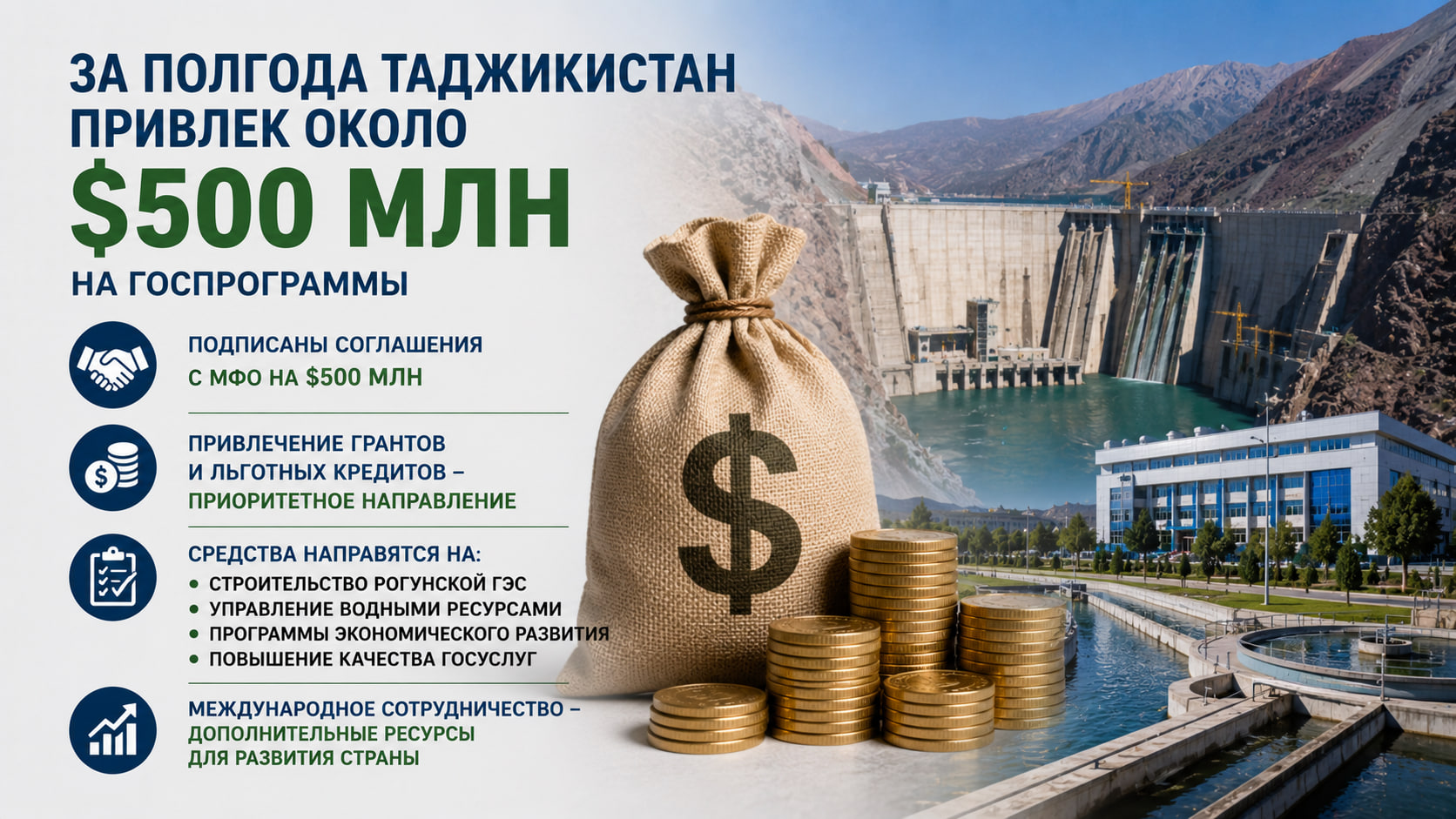
It is reported that 4.3 billion somoni have been spent on work since the beginning of 2025, and more than 48.1 billion somoni have been allocated for the completion of the hydroelectric power plant since 2008. Currently, 18,300 workers and engineers are employed at the plant, and the fleet of machinery and equipment comprises 3,721 units, including 443 new machines commissioned in 2024–2025.
The President also addressed the social issues of resettling residents from flooded areas. To date, 15,400 family members have received permanent housing and land plots in various regions of the country. Meanwhile, construction of roads, bridges, and drinking water lines in the vicinity of the hydroelectric power station continues.
Following the visit, Tajik Prime Minister Kokhir Rasulzoda reported that work was continuing as planned and expressed confidence that all presidential instructions to ensure the country's energy independence would be fulfilled by August 2027.