Translated with AI







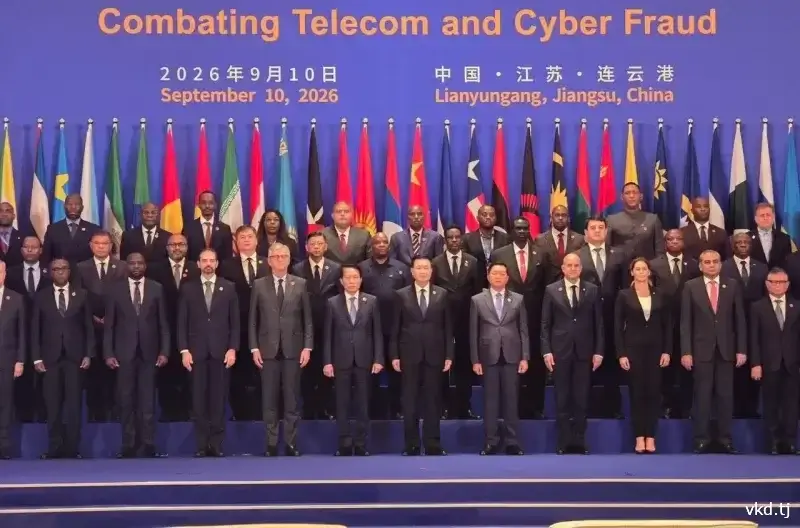









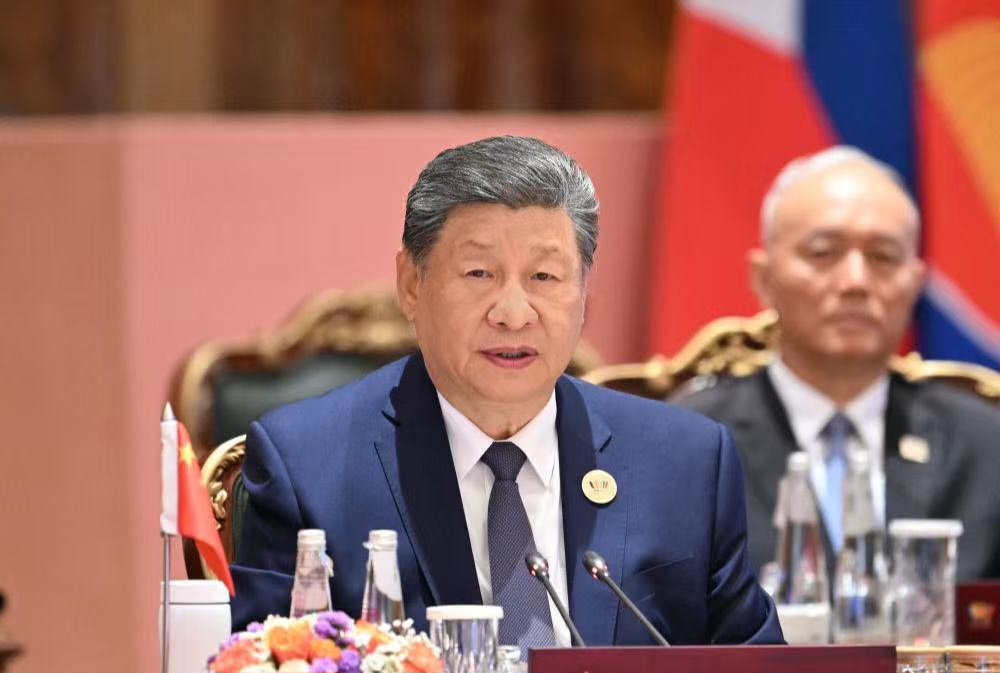
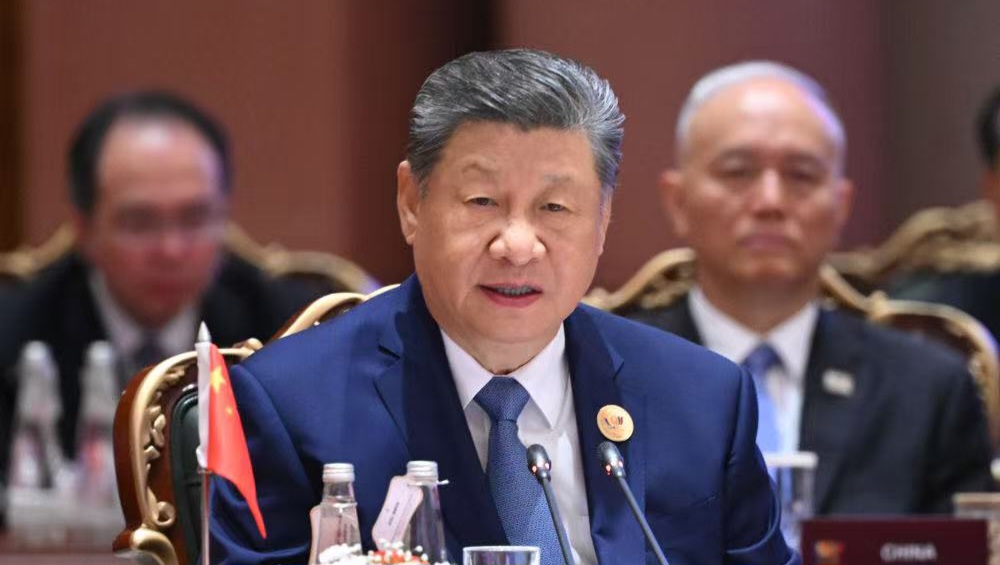






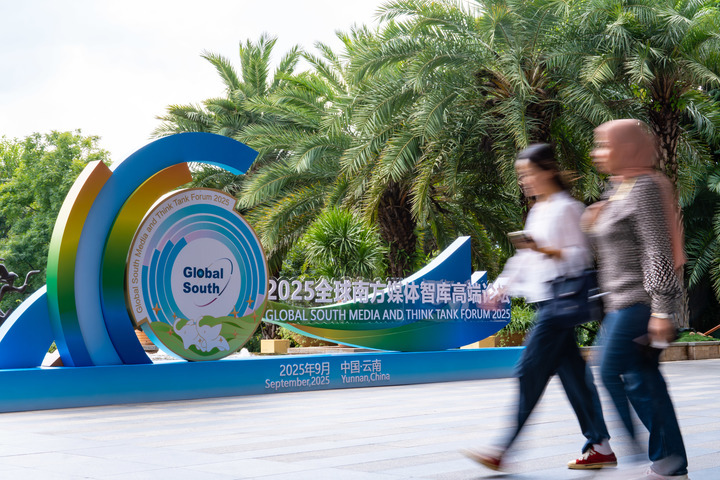
The Global South Media and Think Tank Forum 2025 opened in Kunming, southwest China's Yunnan Province, on Friday, bringing together hundreds of academics and officials in an effort to strengthen the voice of developing countries on the global stage.
The five-day meeting, held under the theme "Empowering the Global South, Managing Global Change," is the second following the previous one held in Sao Paulo, Brazil, last year.
The event will be attended by approximately 500 representatives from more than 260 institutions from 110 countries, as well as international and regional organizations.
The agenda aims to achieve consensus on peace issues, identify new factors for development, expand cooperation and promote dialogue among civilizations.
BUILDING CONSENSUS THROUGH DIALOGUE
In the face of the global changes of the century, the pursuit of modernization and the work for a more just and equitable international order are considered to be the sacred historical mission of the countries of the Global South and the common concerns of the time for the media and think tanks of the Global South.
Last November, the first forum in Brazil adopted the São Paulo Declaration, calling on media and think tanks from the Global South to vigorously defend the group's common interests and continually strengthen its voice and influence in world affairs.
In July, the BRICS Media and Think Tank Forum and the SCO Media and Think Tank Summit were held in Brazil and China, respectively, further expanding consensus and providing intellectual support to countries in the Global South.
Leonardo Attuch, editor-in-chief of Brazil 247, who attended the forum in São Paulo and registered for the event in Kunming, said the media plays a key role in improving global governance and strengthening the voice of the global South.
“In just one year, we have already seen deeper and more structured dialogues between media outlets in the Global South, further amplifying the voices of countries in the Global South and challenging the traditionally dominant hegemonic narrative of Western media,” Attuch said.
FOR JOINT DEVELOPMENT
In recent years, the influence of the Global South has grown significantly. It accounts for over 40% of global gross domestic product (GDP) and up to 80% of global growth. The Global South is a key force for maintaining world peace, driving global development, and improving global governance.
China has always been a member of the Global South, a reliable long-term partner of developing countries, and a proactive player in promoting global development.
From Asia to Africa, from Latin America to the Pacific, China is partnering with countries in the Global South, promoting high-quality cooperation under the Belt and Road Initiative, building roads, bridges, and ports—critical infrastructure for economic prosperity. "Small and beautiful" livelihood projects, such as Luban workshops and hybrid rice cultivation, have spread across the Global South, supporting their modernization efforts.
Nassar Abdulkarim Nassar, Deputy Director of Media Relations at the Iraqi News Agency, emphasized China's role as a member of the "Global South" in developing practical cooperation. "In Iraq, China's support has enabled the implementation of numerous landmark projects and livelihood programs," he said.
Nassar added that practical cooperation with China has provided ongoing impetus to the development of countries in the Global South, including Iraq.
Today's world is undergoing profound changes unseen in a century, and the collective rise of the global South is becoming a defining feature of this transformation.
Media outlets and think tanks in the Global South not only amplify the voice of the Global South and chronicle changing times, but also shape the image of the Global South and advocate for a more just and equitable international order.
Fabio Manzini Camargo, Special Assistant to Brazil's Minister of Health, told Xinhua that the forum helps strengthen collaboration between media and think tanks in the global South, allowing audiences to understand the realities of contemporary society from a global South perspective.
ANSWERS TO CONTEMPORARY QUESTIONS
Today, countries of the Global South face a common challenge: to break the Western-dominated model of global public opinion and to assert their own subjectivity and power of discourse.
"The world increasingly values the voices of the countries of the global South, and the international community has realized that without taking into account the demands of the majority of humanity, it is impossible to maintain world peace, let alone achieve sustainable development for all of humanity," said Fidel Alejandro Gómez Vega, vice president of the Cuban news agency Prensa Latina.
The media executive added that the global South is emerging as a powerful force driving peaceful development and the building of a more just international order.
According to Joni Melikyan, Head of the International Relations Research Department at the Public Relations and Information Center under the Office of the Prime Minister of Armenia, media outlets and think tanks in the Global South must become the voice and conscience of various societies by providing in-depth analysis, promoting constructive narratives, and shaping a balanced system of global discourse.
Against the backdrop of escalating geopolitical conflicts, their cooperation is crucial, the Armenian official added.
Ahmed Ismayilov, Executive Director of the Azerbaijan Media Development Agency, stated that the media play an important role in disseminating objective and reliable information, and therefore the media in the Global South should become a bridge between politicians and the people.
According to Ismailov, media in the Global South must invest in digital transformation, train and implement artificial intelligence tools, and create cross-continental alliances to strengthen the voice of the Global South.
The forum is expected to publish two signed documents: the Yunnan Consensus, a joint commitment to expand cooperative news and analysis production, and a research report on China's contribution to global public intellectual property, which outlines the country's best practices in South-South initiatives.
The event also marks the official launch of the Global South Collaborative Communication Partnership Network, which comprises more than 1,000 media outlets, think tanks and other institutions in 95 countries and regions.