Translated with AI












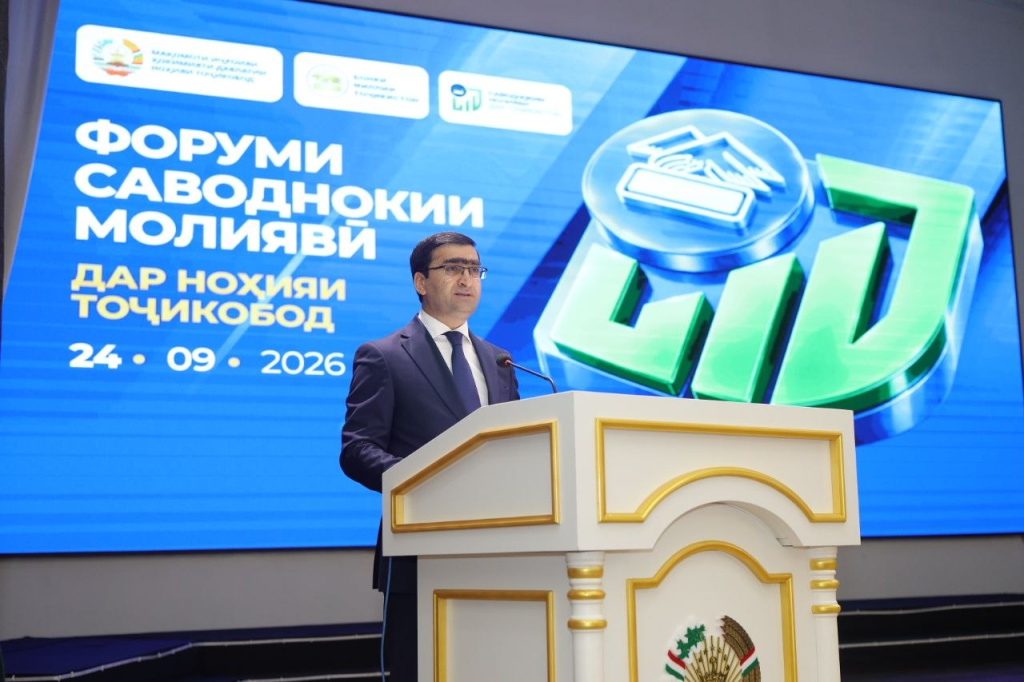





















Tajikistan President Emomali Rahmon instructed the Committee for Environmental Protection, in conjunction with relevant ministries and agencies, to develop a "National Waste Management Strategy through 2035." The head of state made this announcement during a meeting with the leadership and staff of the Committee for Environmental Protection under the Government of the Republic.
According to Rahmon, the country generates over 2 million tons of solid municipal waste annually, and the total landfill area exceeds 300 hectares. "Population growth, industrial development, expanded construction, and the increasing number of vehicles have led to a significant increase in waste. Therefore, regulation of issues related to the collection, storage, transportation, sorting, and recycling of solid municipal waste requires significant improvement," the president noted.
He emphasized that the country still lacks a comprehensive mechanism for managing industrial, household, and construction waste. "We need to create an effective system of interaction, developing interagency cooperation and engaging the private sector and public organizations," Rahmon said.
According to him, the construction of modern waste processing facilities in cities and regions of the country, with domestic and foreign investment and incentives, will help reduce waste volumes. "This work is of great economic, social, and environmental significance for the country," the leader emphasized.
According to the Housing and Utilities Committee, only a few small enterprises currently operate in Tajikistan that recycle plastic, paper, waste oil, rubber, and scrap metal, but their capacity is insufficient to address the problem. Therefore, the president instructed relevant agencies to develop comprehensive mechanisms for waste disposal, transportation, and recycling, as well as to implement modern technologies and create large-scale recycling facilities through public-private partnerships.
"The National Waste Management Strategy through 2035 should become the primary document defining long-term policy in this area," Emomali Rahmon concluded.