Translated with AI

























United Nations Secretary-General António Guterres welcomed the release of all remaining hostages in the Gaza Strip and announced a significant increase in humanitarian supplies to the devastated region, according to a statement released by the UN press service.
Release of hostages
The UN Secretary-General expressed "deep relief" over the release of hostages taken by Hamas and other armed groups during the attacks on Israel on October 7, 2023. He said the hostages had endured "enormous suffering" during their nearly two-year captivity.
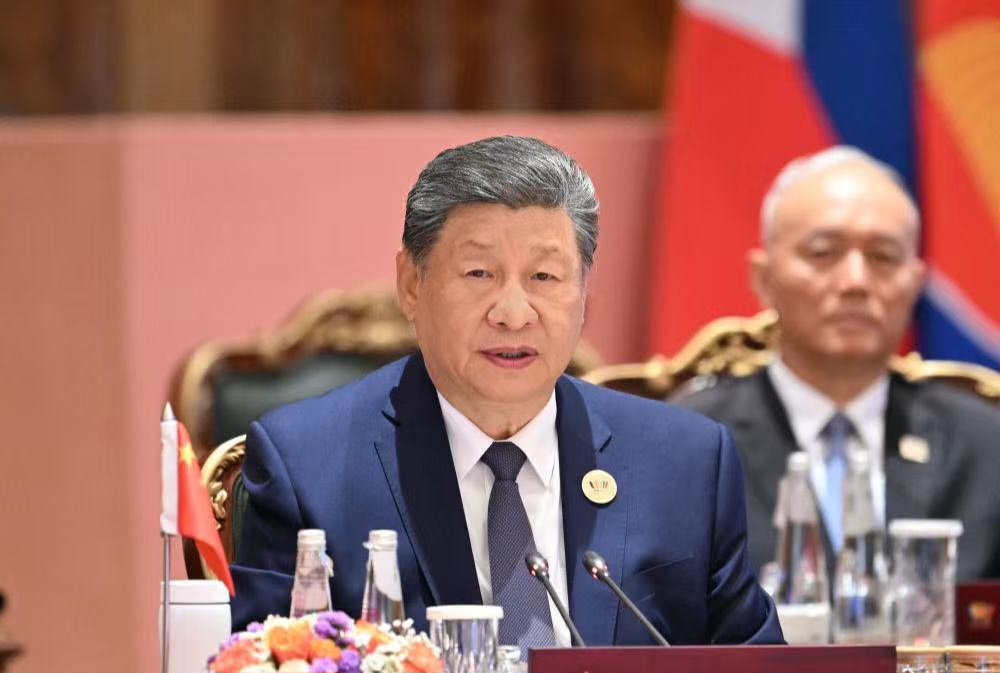
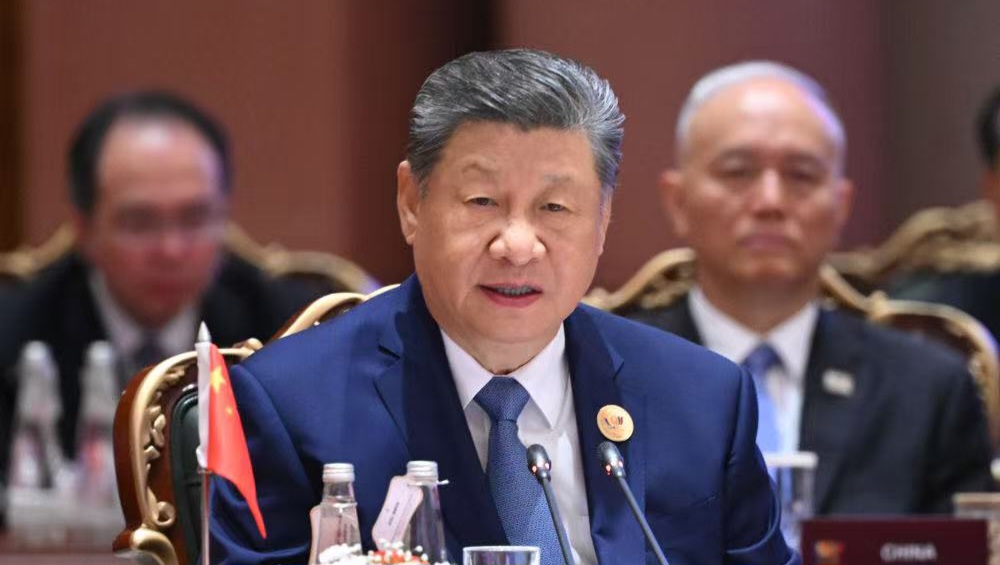
Guterres arrived in Sharm el-Sheikh, Egypt, to attend the Gaza Peace Summit, which is bringing together world leaders. The meeting follows the partial withdrawal of Israeli troops from Gaza as part of a ceasefire agreement brokered by the United States, Qatar, and Turkey.
In a statement published on the social media platform X, the UN chief also called for the return of the bodies of the dead hostages and recalled the need for strict compliance with the terms of the agreement in order to "end the humanitarian nightmare in Gaza."
Increase in humanitarian aid supplies
According to the UN Office for the Coordination of Humanitarian Affairs (OCHA), the delivery of food, medicine and other essential supplies to the Gaza Strip has increased significantly in recent days.
"The mobilization of humanitarian activities continues vigorously," the agency said, noting that Israel had approved the import of 190,000 tons of supplies, including food, medicine, tents, shelters, and fuel—20,000 tons more than previously agreed.
For the first time since March, liquefied cooking gas supplies were also delivered to Gaza. In addition, the humanitarian aid includes frozen meat, fresh fruit, flour, and medical supplies.
According to the UN, humanitarian workers have gained greater freedom of movement in a number of areas, allowing them to pre-position medical supplies and conduct checks for explosive hazards. This also makes it possible to provide assistance to families living in at-risk areas before the onset of the winter season.
UN Humanitarian Response Plan
UN Emergency Relief Coordinator Tom Fletcher said the organization intends to expand humanitarian operations to cover virtually the entire population of the Strip within the first 60 days of the ceasefire.
The plan includes:
-
food aid for 2.1 million people, support for bakeries and restoration of livelihoods for farmers and fishermen;
-
cash payments for 200 thousand families;
-
nutrition programs for children, adolescents and pregnant women;
-
restoration of the healthcare system, provision of medicines and expansion of emergency care;
-
providing water and sanitation to 1.4 million people;
-
providing shelter for the most vulnerable families;
-
resumption of educational programs for 700 thousand children.
Psychological assistance for children
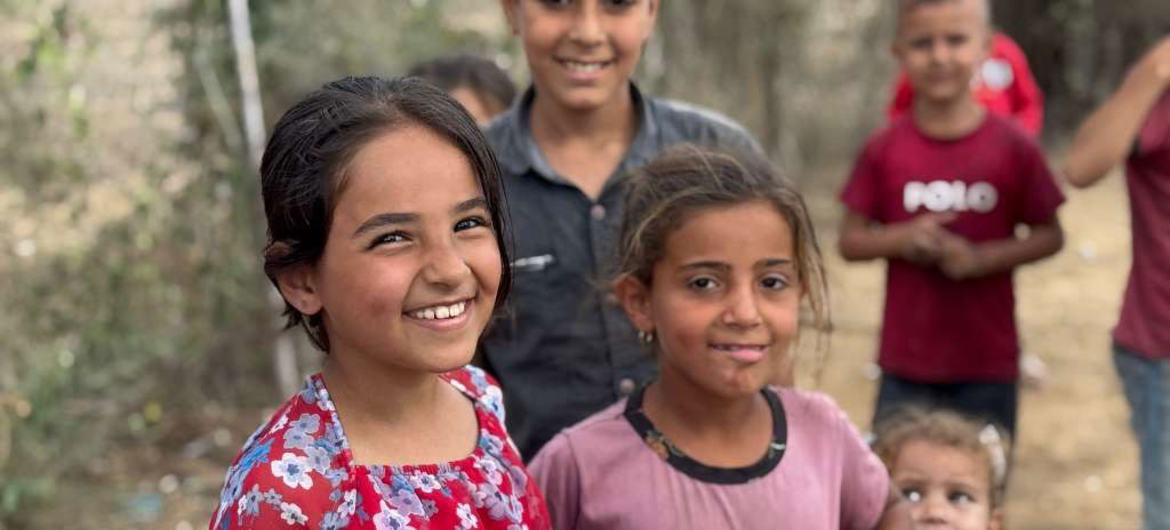
According to the United Nations Children's Fund (UNICEF), over a million children in Gaza require psychosocial support. The organization notes that two years of continuous fighting and bombing have inflicted severe trauma on the region's children.
Many children suffer from severe stress, insomnia, and nightmares. UNICEF programs teach adolescents self-help and psychological stabilization techniques.
"When I was scared, I would put my hand on an imaginary 'safety button' and breathe deeply. This helped me calm down," said 15-year-old Anas, a participant in the program.
According to UNICEF, 80% of children who received psychosocial support in 2025 showed a reduction in post-traumatic stress symptoms.
The UN emphasizes that restoring peaceful life in Gaza requires a comprehensive approach that includes not only physical but also psychological assistance to the region's residents.