Translated with AI



























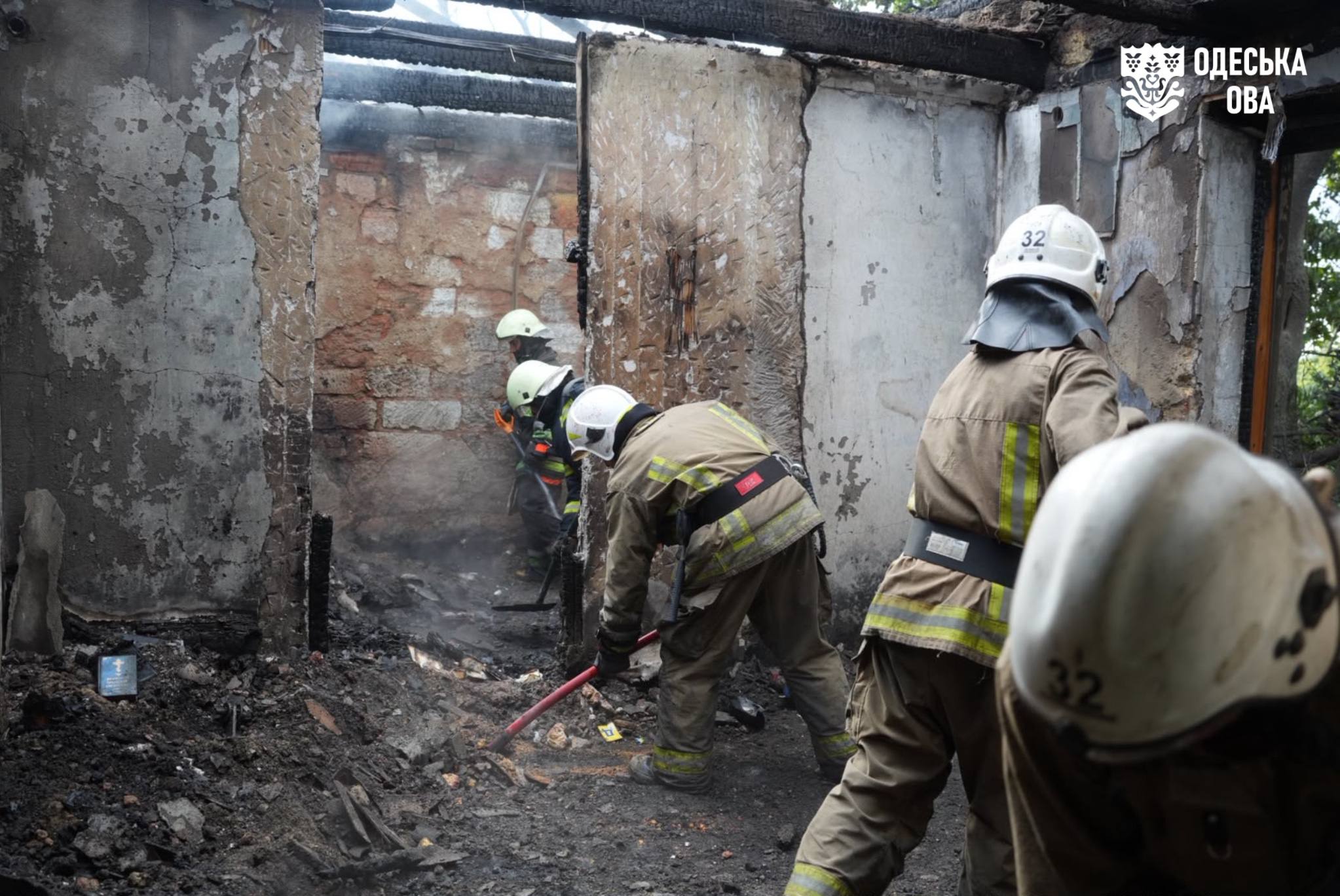
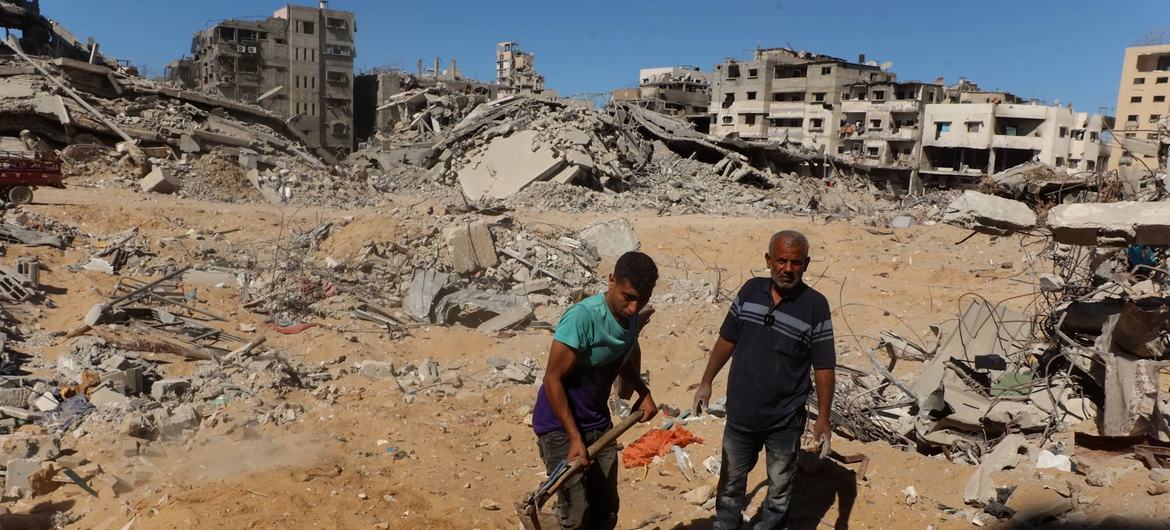
Debris clearance work has begun in the Gaza Strip, UN officials announced . UN Emergency Relief Coordinator Tom Fletcher emphasized on Wednesday that the current situation creates a "moment of great, but fragile, hope" for the implementation of agreements on the Middle East conflict.
Fletcher recalled the Sharm el-Sheikh summit of world leaders, during which a ceasefire agreement was signed in Gaza. According to the coordinator, his conversations with summit participants made it clear that Palestinians, Israelis, and residents of the region are committed to peace.
"Earlier this week, UN humanitarian agencies began increasing aid to Gaza. Food, medicine, fuel, water, cooking gas, and tents have been delivered to the Strip. Some roads have been cleared, and a bakery has reopened," Fletcher said.
However, he said, new obstacles have emerged in the implementation of the humanitarian initiative that could slow the progress that US President Donald Trump, the UN Secretary-General, and other world leaders are insisting on.
Fletcher emphasized the need for the immediate return of all bodies of deceased hostages. He also expressed grave concern over the emerging evidence of violence against civilians in Gaza.
The coordinator noted that Israel is obligated to ensure the delivery of humanitarian aid in accordance with the agreements reached, emphasizing that the lives of many people depend on timely delivery. He called for the opening of more crossing points and the development of a practical approach to resolving the remaining problems.
"Throughout the crisis, we have insisted that aid to civilians cannot be a bargaining chip. Facilitating aid is a legal obligation," Fletcher said.
According to him, UN humanitarian agencies have developed a 60-day plan for delivering aid to Gaza. The agencies will ensure that the aid reaches civilians directly, not armed groups. Fletcher emphasized that no interference in the distribution of aid will be tolerated.
The coordinator also noted that new obstacles may arise ahead, but urged that past failures in conflict resolution be avoided. "Peace has failed so many times before—we must not fail this time," he concluded.