Translated with AI





















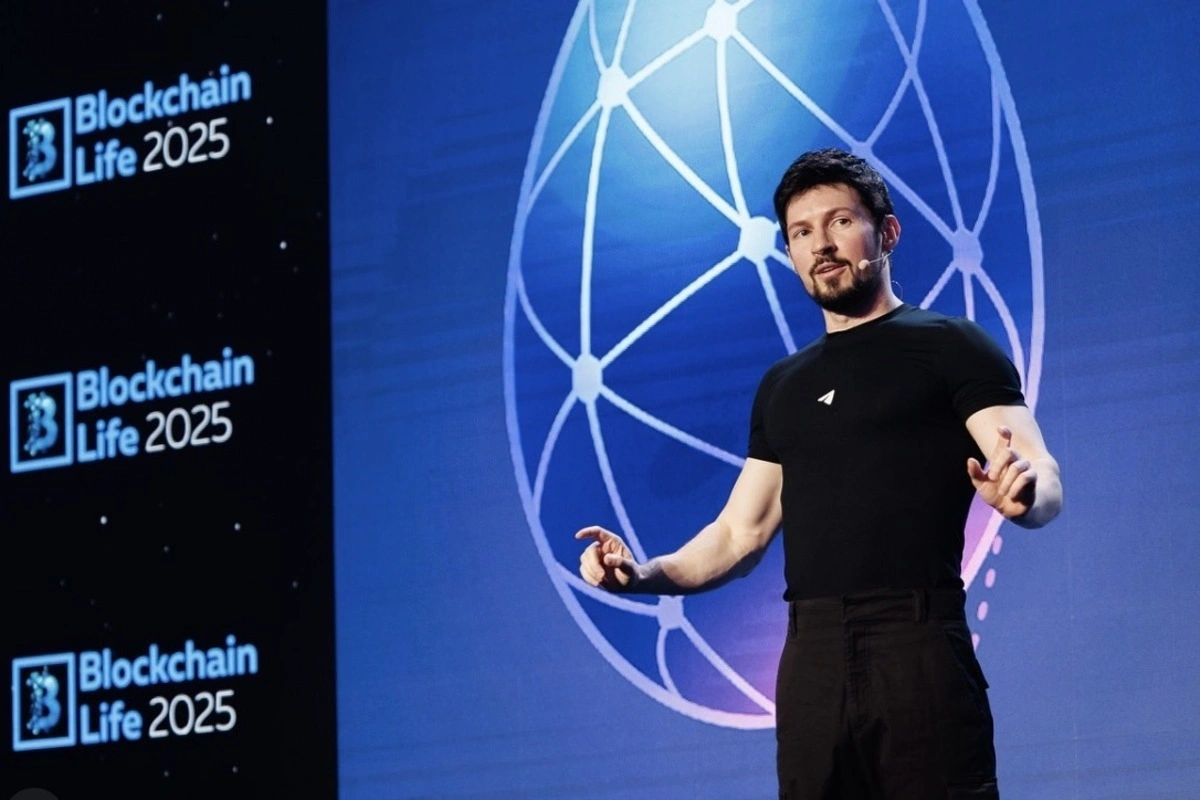
Russian authorities have opened a criminal case against Pavel Durov, the creator of the Telegram messaging app, for "assisting terrorism." He announced this on February 24 on his Telegram channel.
According to Durov, Russian authorities "are coming up with new pretexts every day to restrict Russians' access to Telegram," seeking, as he claims, "to suppress the right to privacy and freedom of speech." He called what is happening "the sad spectacle of a state afraid of its own people."
According to Rossiyskaya Gazeta, citing Federal Security Service (FSB) documents, the perpetrators of the March 2024 Crocus City Hall terrorist attack in the Moscow region coordinated their actions via Telegram. Furthermore, the newspaper claims that the messenger was used to plot the assassinations of Russian propagandists and high-ranking military officials, including Daria Dugina, Vladlen Tatarsky (Maxim Fomin), and General Igor Kirillov.
Amid the war against Ukraine, Russian authorities have introduced a series of restrictive measures against digital services and communications. Since August 2025, calls via Telegram and WhatsApp have been blocked in Russia. Roskomnadzor stated that these measures are related to the use of messaging apps by terrorists and fraudsters.
In October, Roskomnadzor announced the partial restriction of Telegram and WhatsApp, citing the need to combat fraud. In January, Andrei Svintsov, a member of the State Duma Committee on Information Policy, accused Telegram of being "too slow in blocking anonymous channels," but stated that a complete ban on the messenger was not expected. He claimed that anonymous Telegram channels "write all sorts of nonsense and distort facts," and that blocking such channels in Russia was not being carried out quickly enough.
On February 10, Roskomnadzor officially confirmed its intention to deliberately slow down Telegram. The agency announced plans to introduce "sequential restrictions." Officially, the regulator attributes these measures to violations of Russian law and a threat to citizens' safety. Internet censorship experts believe the authorities' real goal is to create conditions for the gradual ousting of Telegram, as happened with YouTube and WhatsApp, and to migrate Russian users to state-controlled messaging apps, primarily Max and VK.