Translated with AI

































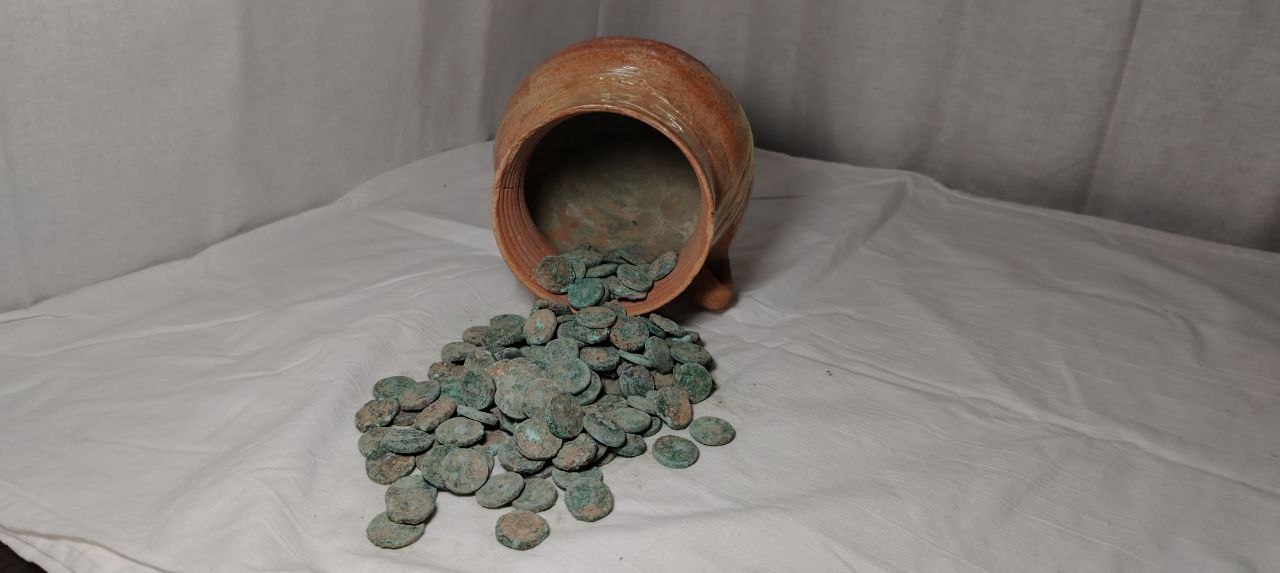
More than 150 copper coins from the Kushan period, dating to the first century AD, were discovered in early 2026 in the Shahritus district of Tajikistan. The discovery was announced at a press conference by Kobiljon Khushvakhtzoda , President of the National Academy of Sciences of Tajikistan .
According to him, the archaeological discovery was made by chance. A local resident, while carrying out farming and land surveying, discovered a ceramic vessel containing a significant number of oxidized copper coins.
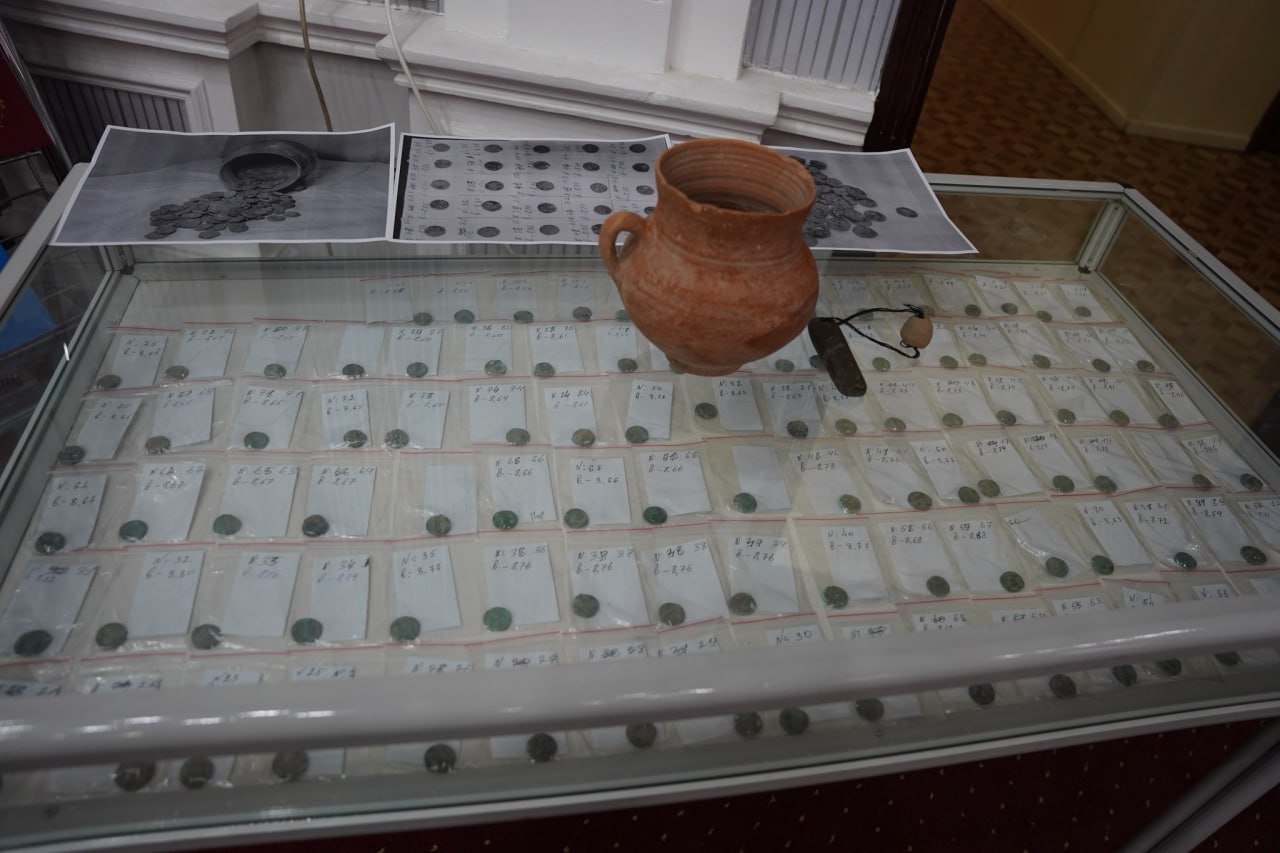
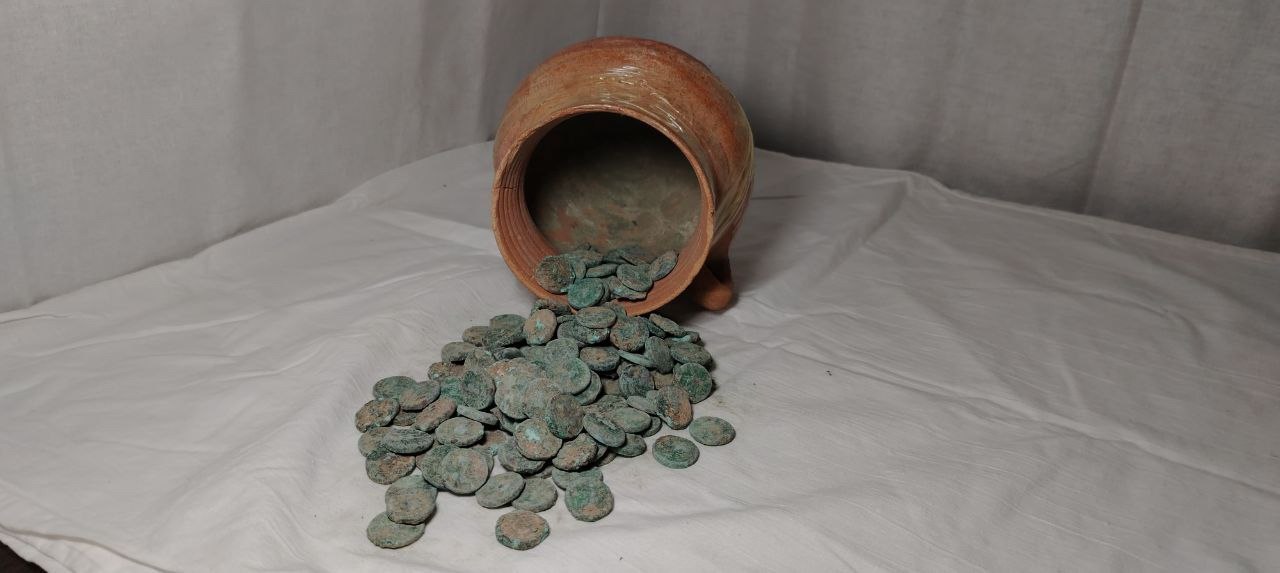
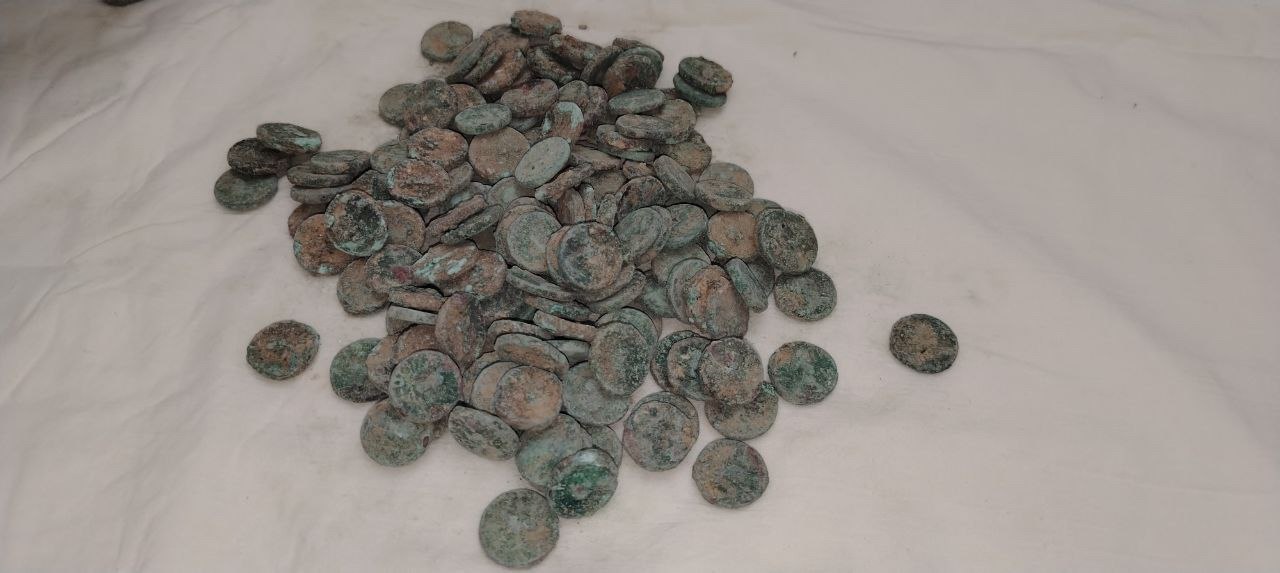
After receiving information about the discovery, a specialized research team was dispatched to the Shahritus district. The discovered treasure was subsequently transferred to the National Academy of Sciences of Tajikistan for scientific study and preservation.
During a press conference, one of the renowned Tajik numismatists, Professor Abduvali Sharifzoda , demonstrated the discovered coins and presented the experts' preliminary findings.
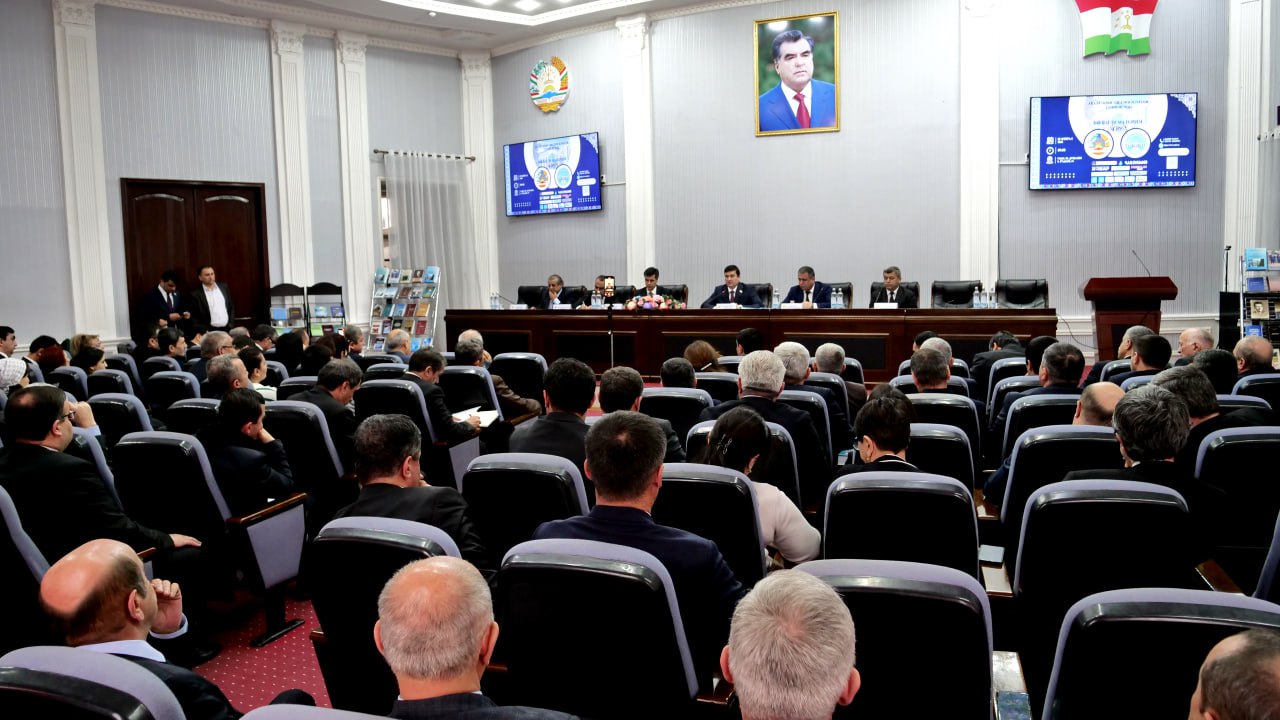

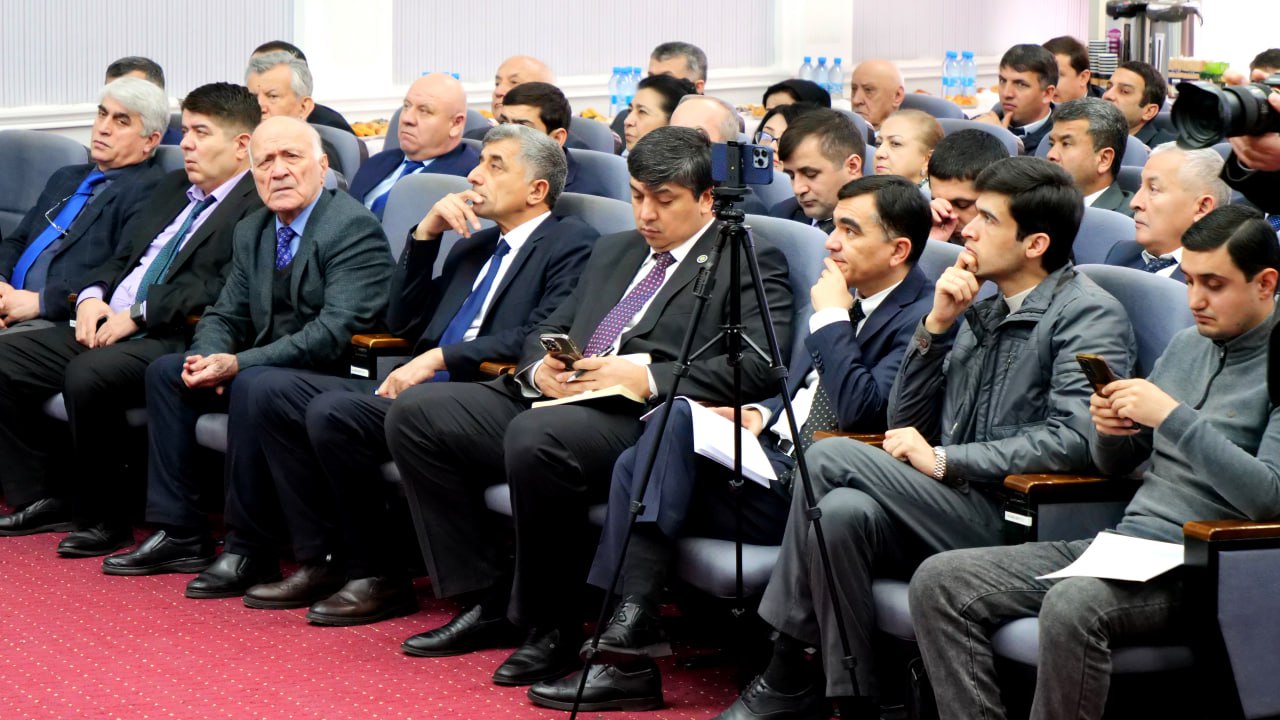
As the scientist noted, the majority of the discovered coins were minted by order of the Kushan king Vima Taktu . Experts estimate the coins to be approximately two thousand years old.
Work to clean and restore the find to its original condition is currently ongoing. The restoration is being carried out by specialists from the Institute of History, Archaeology, and Ethnography of the National Academy of Sciences of the Russian Federation (NAST), Rustam Burkhonov and Manuchehr Rakhmonov . They are conducting comprehensive conservation and scientific processing of the discovered artifacts.