Translated with AI
































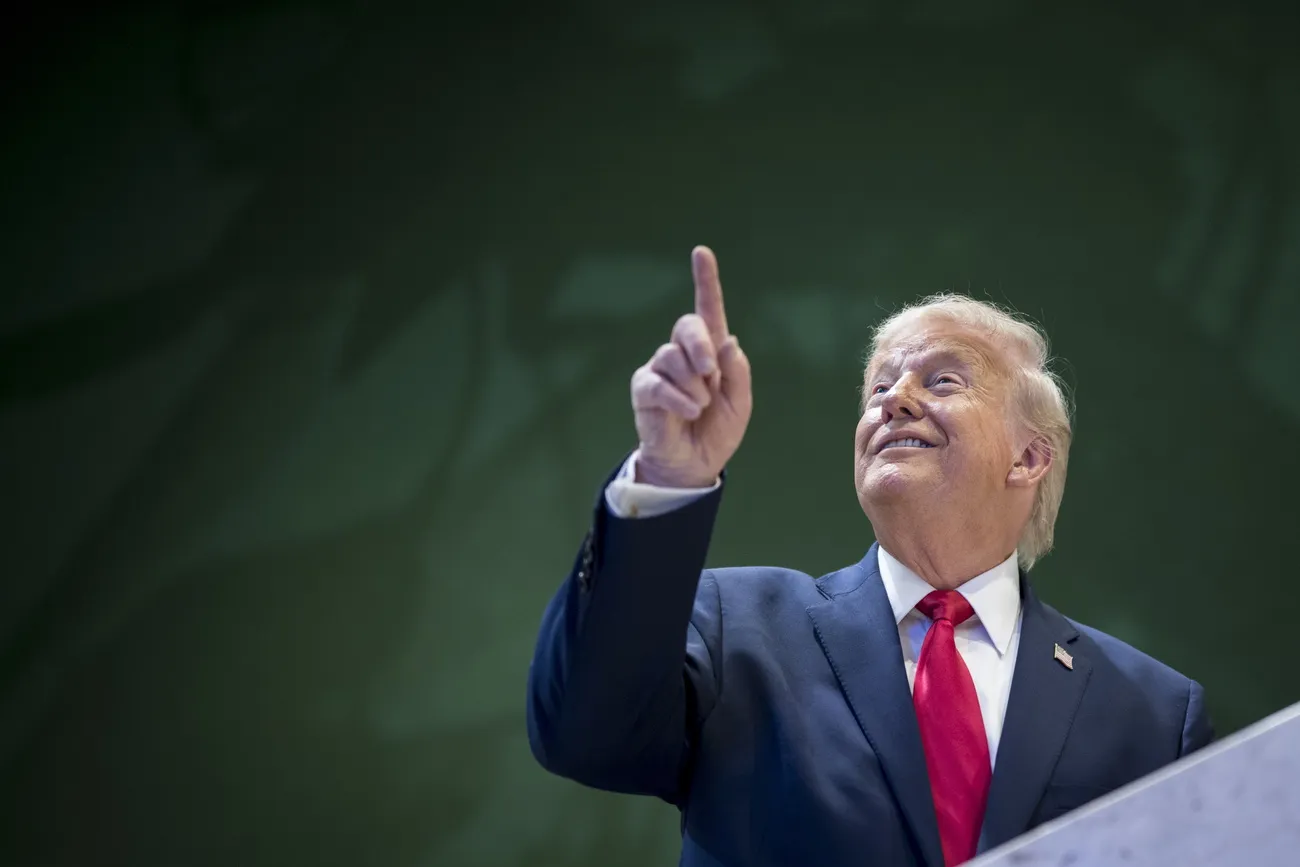
US President Donald Trump is considering launching a new major strike on Iran after preliminary talks between Washington and Tehran to curb Iran's nuclear program and ballistic missile production failed to produce results, CNN reports, citing sources.
On Wednesday, Trump posted a message on the social media platform TruthSocial, calling on Iran to return to the negotiating table for a "fair and just deal—no nuclear weapons." He warned that the next US strike on Iran "will be far worse" than the operation in the summer of 2025, when the US military attacked three Iranian nuclear facilities.
According to sources, potential strike options under consideration include US airstrikes against Iranian leadership and security forces, which Washington holds responsible for the deaths of hundreds of protesters, as well as strikes against Iranian nuclear facilities and government institutions. A final decision has not yet been made.
Earlier this month, the US and Iran exchanged messages, including through Omani diplomats and through channels between Trump's special envoy Steve Witkoff and Iranian Foreign Minister Abbas Araghchi, discussing a possible meeting to prevent an American strike. A face-to-face meeting was also briefly discussed, but never took place. No serious direct negotiations have taken place in recent days.
Washington set preconditions for dialogue, including Iran's final cessation of uranium enrichment, new restrictions on its ballistic missile program, and an end to support for regional proxy forces. The key stumbling block was the US demand that Iran agree to limits on the range of its ballistic missiles, which is particularly significant for Israel, which expended a significant portion of its interceptor stockpile repelling Iranian missile strikes during the 12-day war last June.
Iran rejected this demand and informed the US that it was prepared to discuss only its nuclear program. Washington did not respond, resulting in a deadlock between the two sides. One US official stated that the administration remains open to engaging with Iran if Tehran accepts the terms.
Trump's latest threats have provoked a sharp reaction in Tehran. Iranian authorities have declared an immediate response to any US military action, and a key adviser to Supreme Leader Ayatollah Ali Khamenei has threatened to strike Israel in the event of an attack.
Trump believes that the US military's capabilities have expanded following the arrival of the USS Abraham Lincoln carrier strike group in the region, which entered the Indian Ocean on Monday and continues to sail toward Iran. The Pentagon is also deploying additional air defense systems, including Patriot batteries, and plans to deploy mobile HAAD systems to protect US forces from a possible Iranian response.
Iranian Foreign Minister Abbas Araghchi stated that the country's armed forces are prepared to respond "immediately and forcefully" to any aggression against Iran. Supreme Leader Advisor Ali Shamkhani warned that military action would be considered the beginning of a war and threatened an "unprecedented" response.
According to US intelligence, the Iranian regime is weakened following US and Israeli strikes on targets and allied forces last year, as well as recent mass protests in Iran. US Secretary of State Marco Rubio stated that the regime is "likely weaker than ever." However, sources note that even the removal of the Supreme Leader does not guarantee the collapse of the system of power, and there are no signs of a split within the Iranian security forces yet.
Key US allies in the region, including Saudi Arabia and the United Arab Emirates, have said they would not make their airspace and territory available for a possible operation against Iran.