Translated with AI































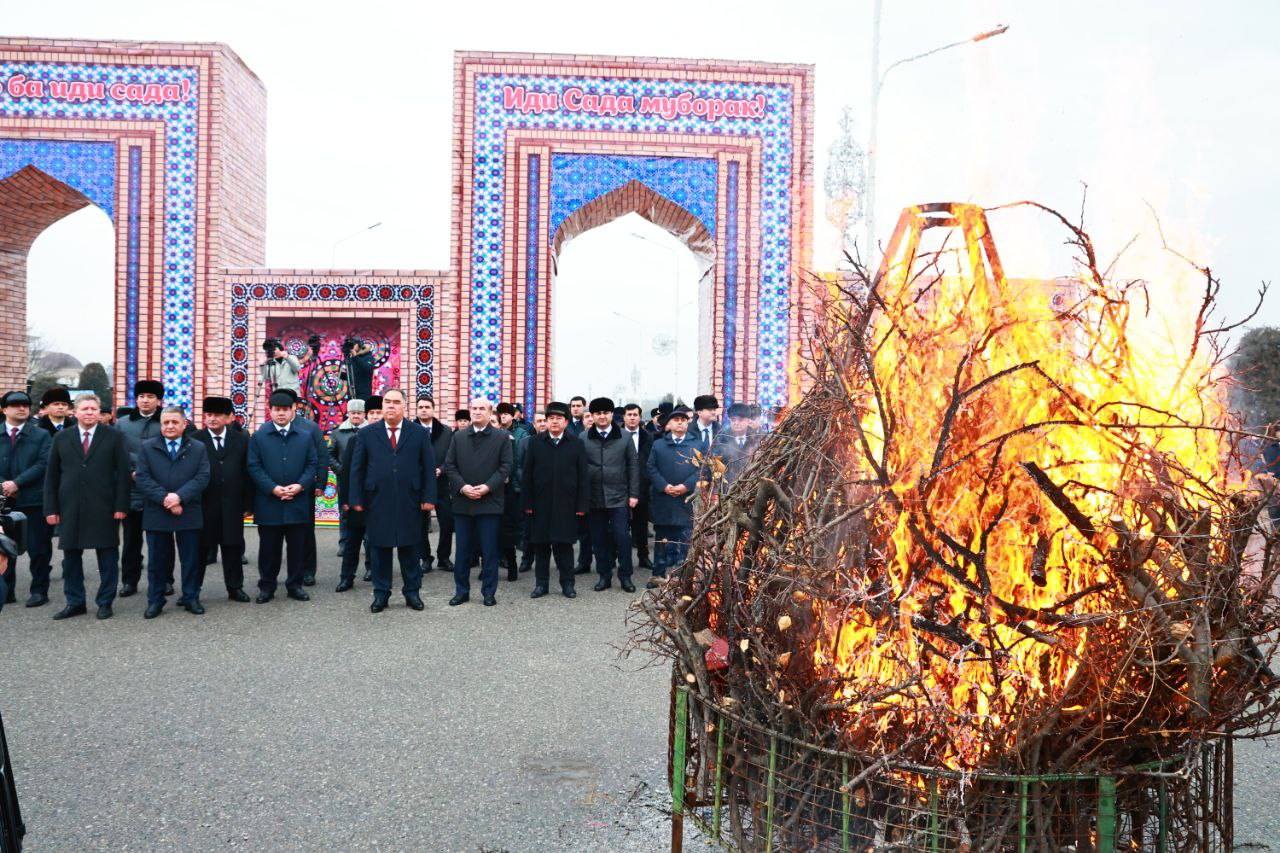
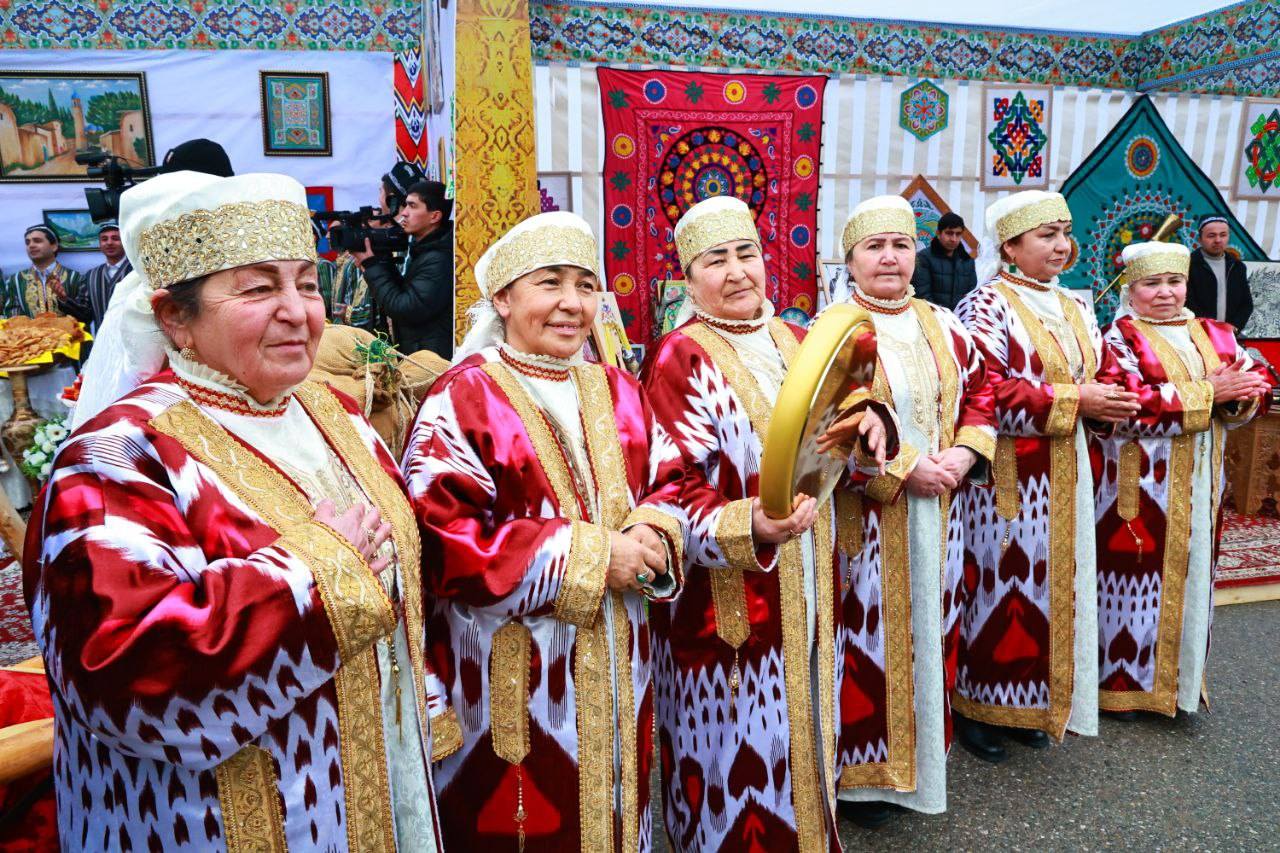
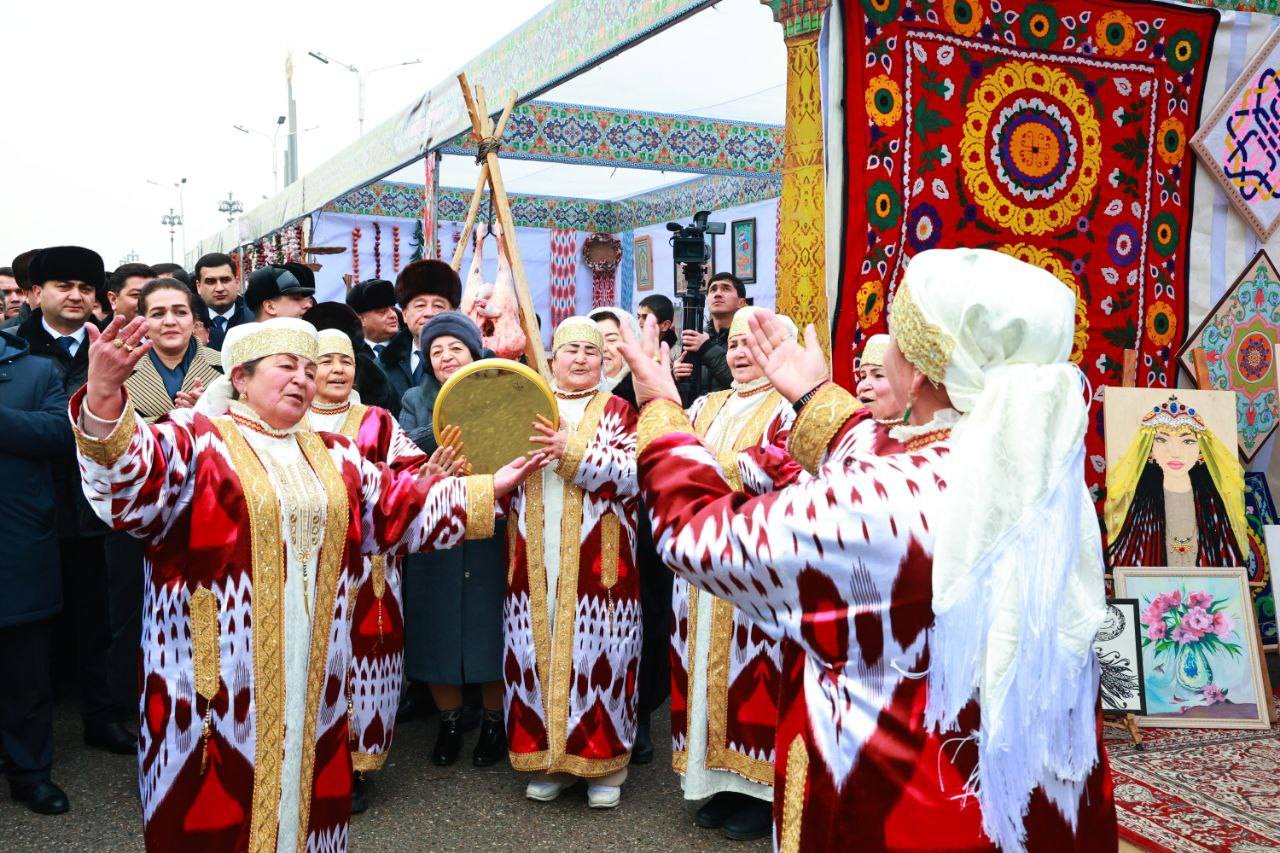
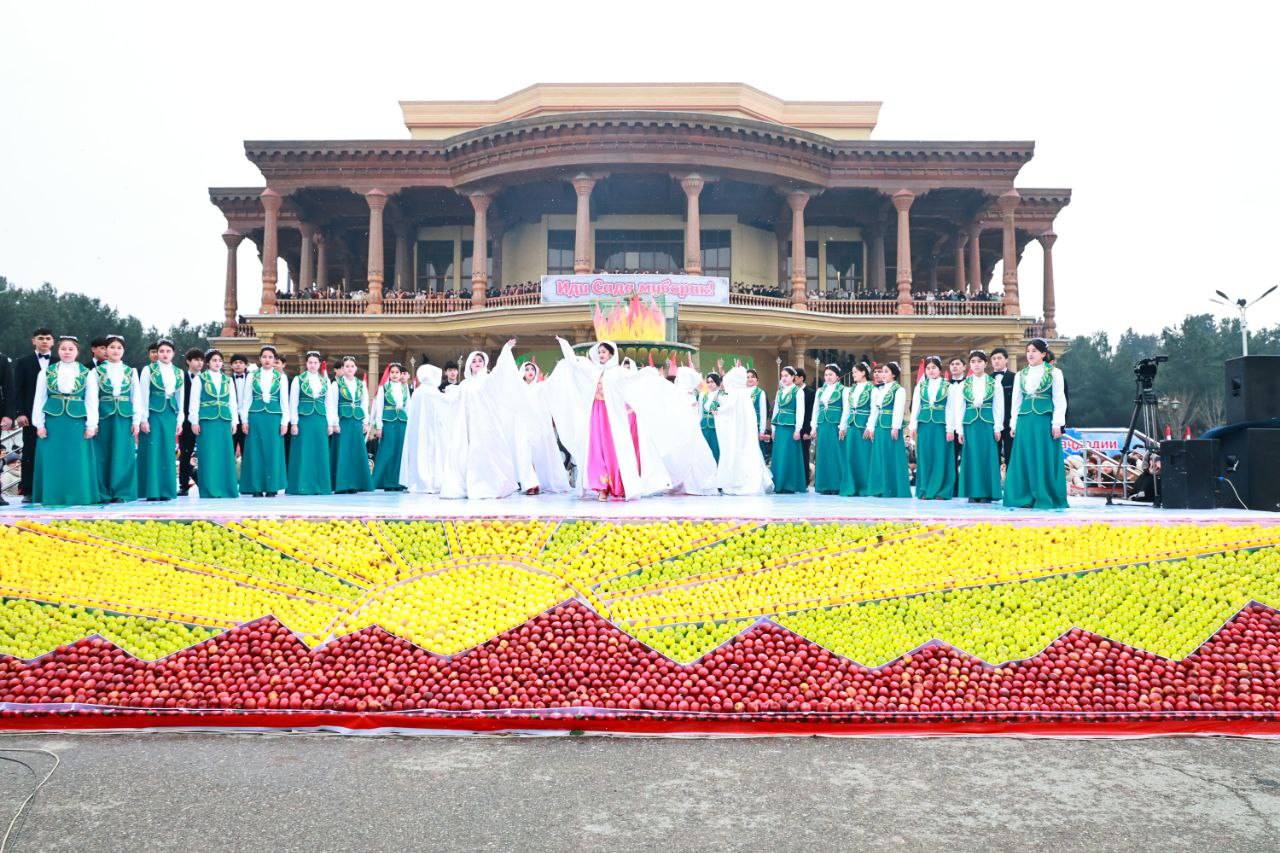
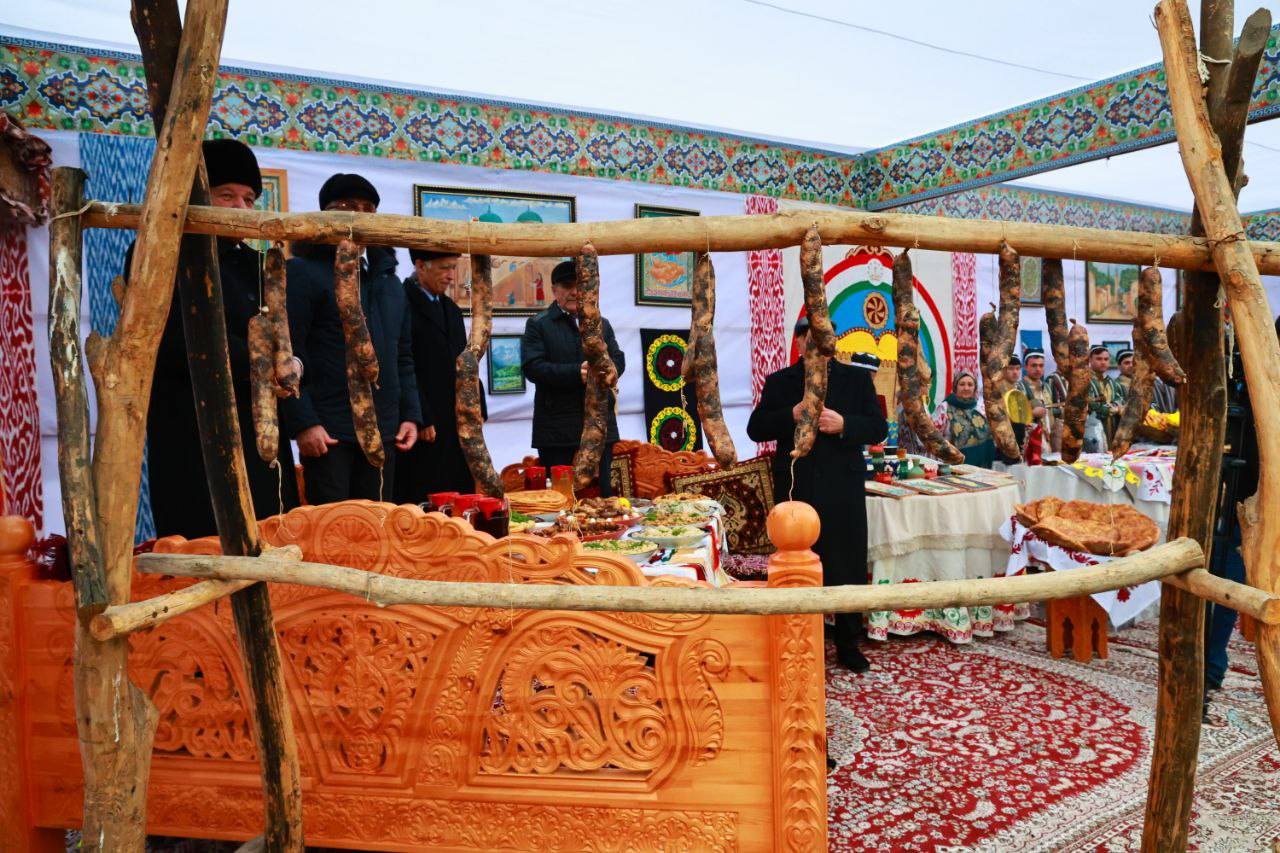
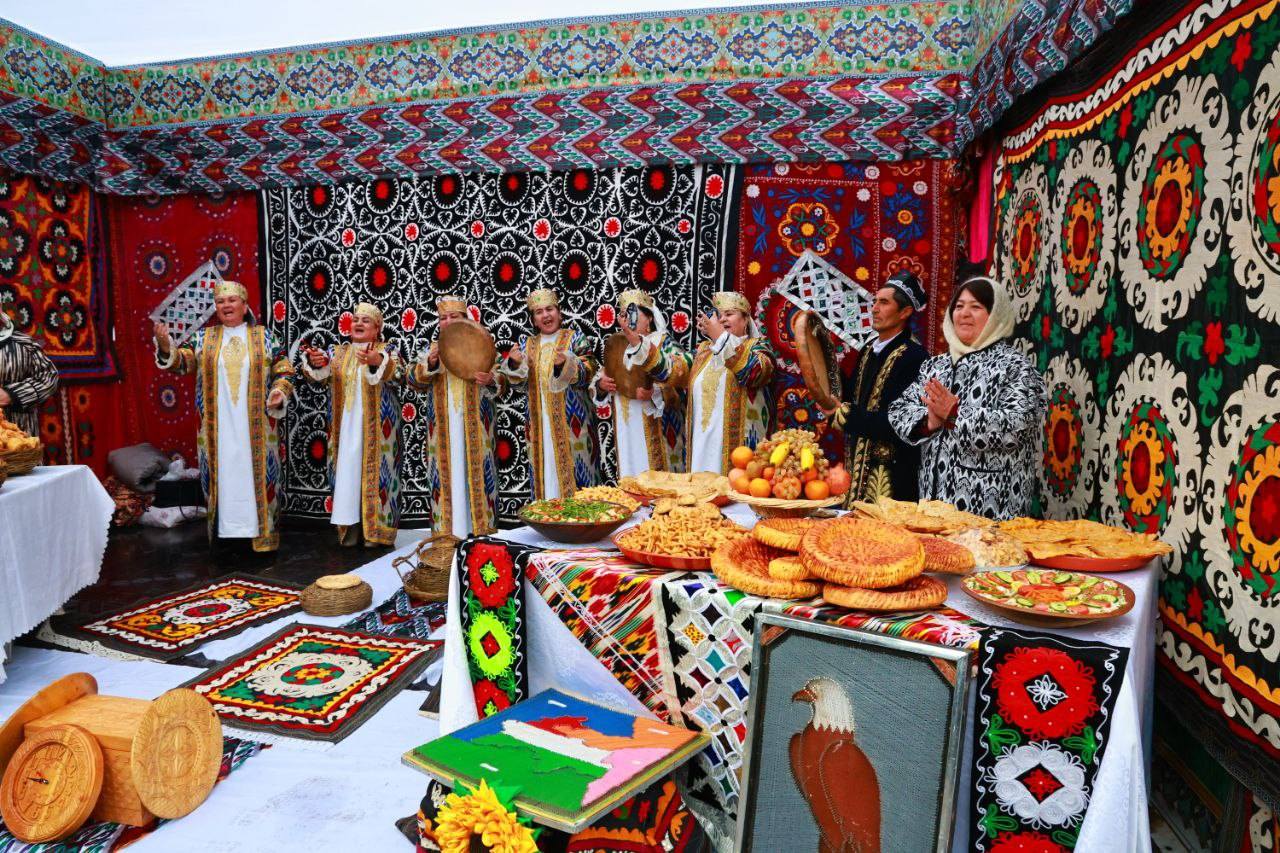
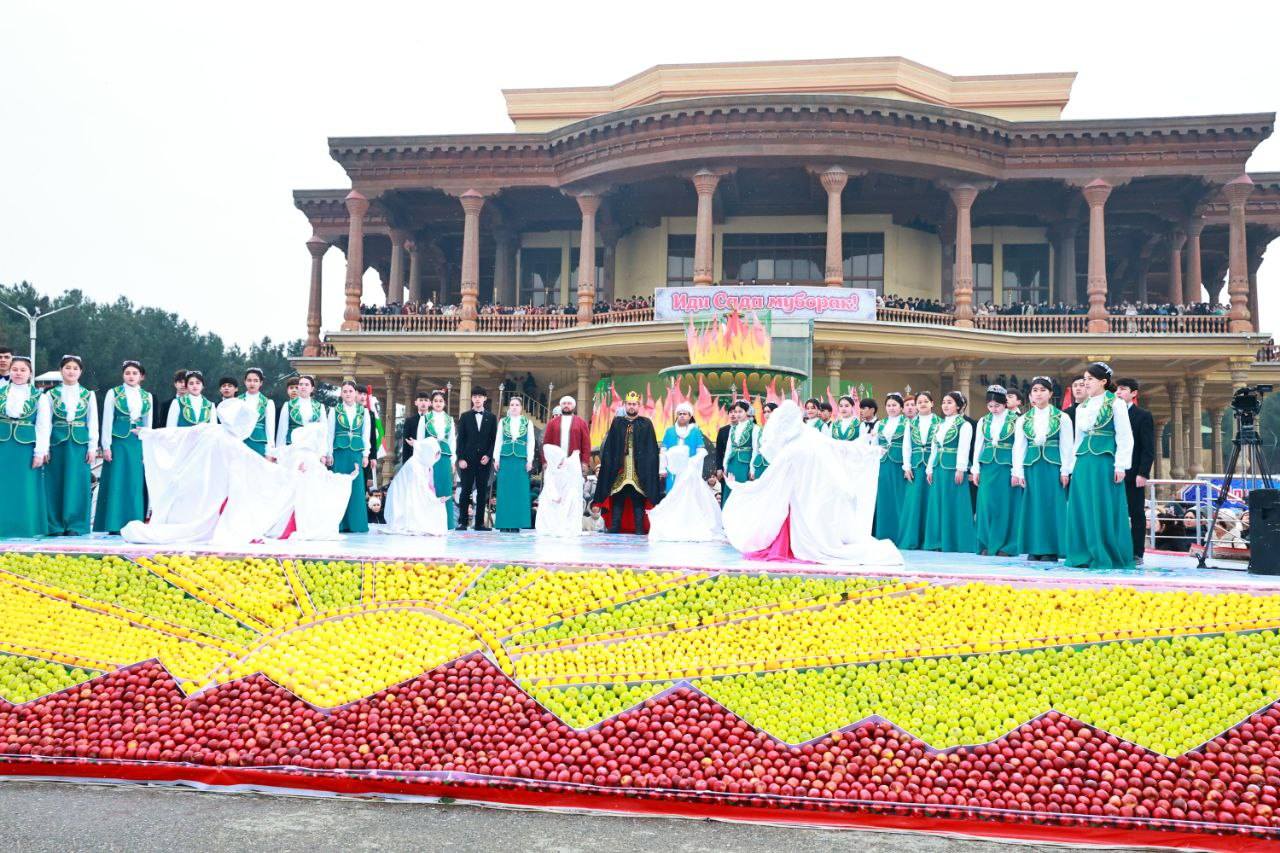
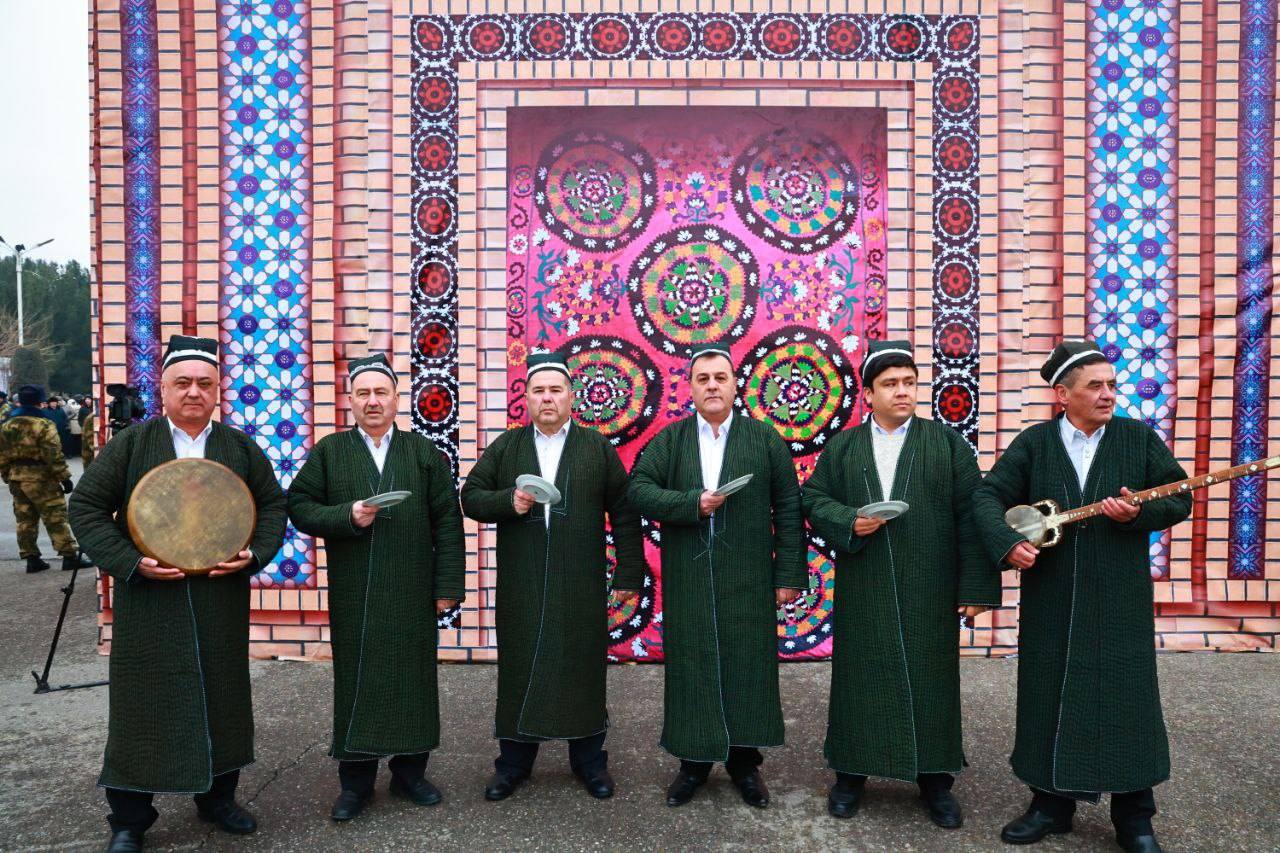
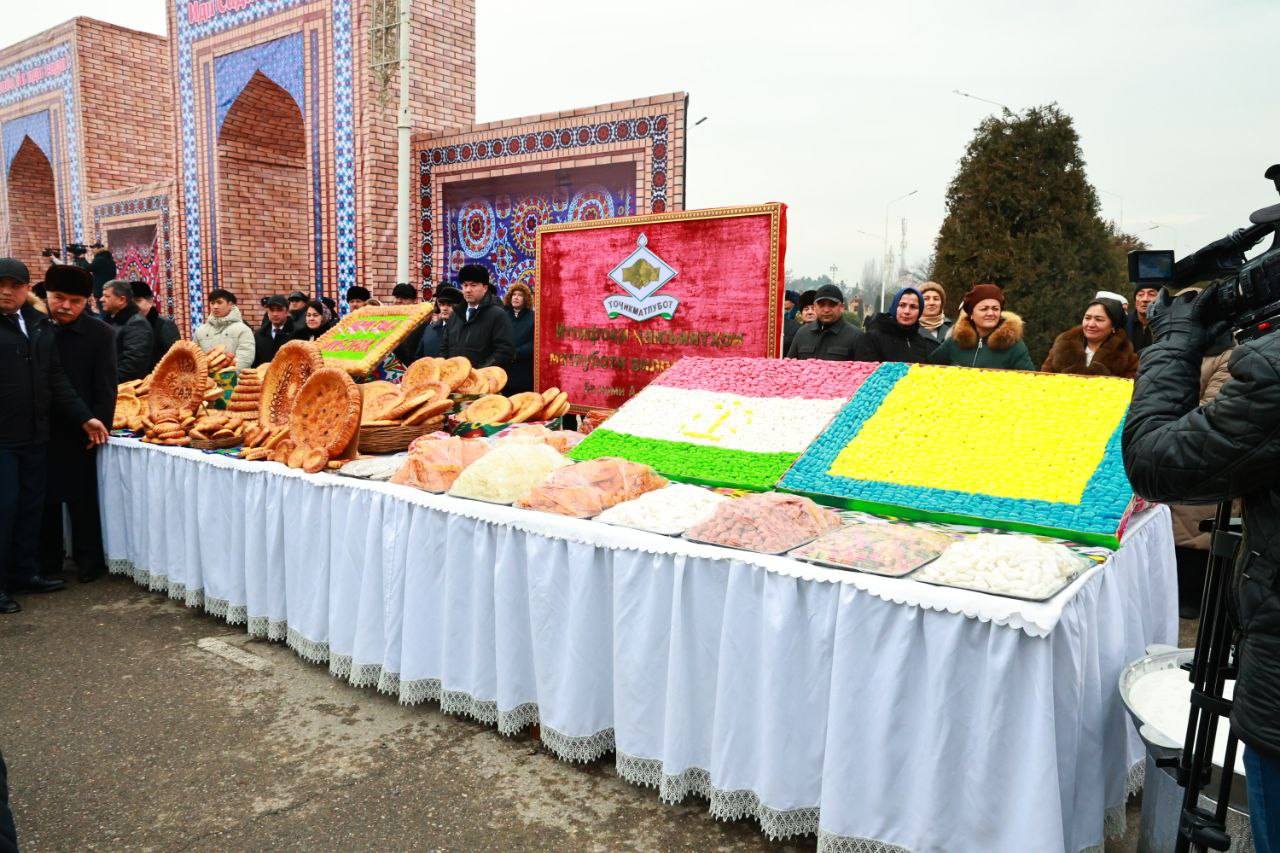
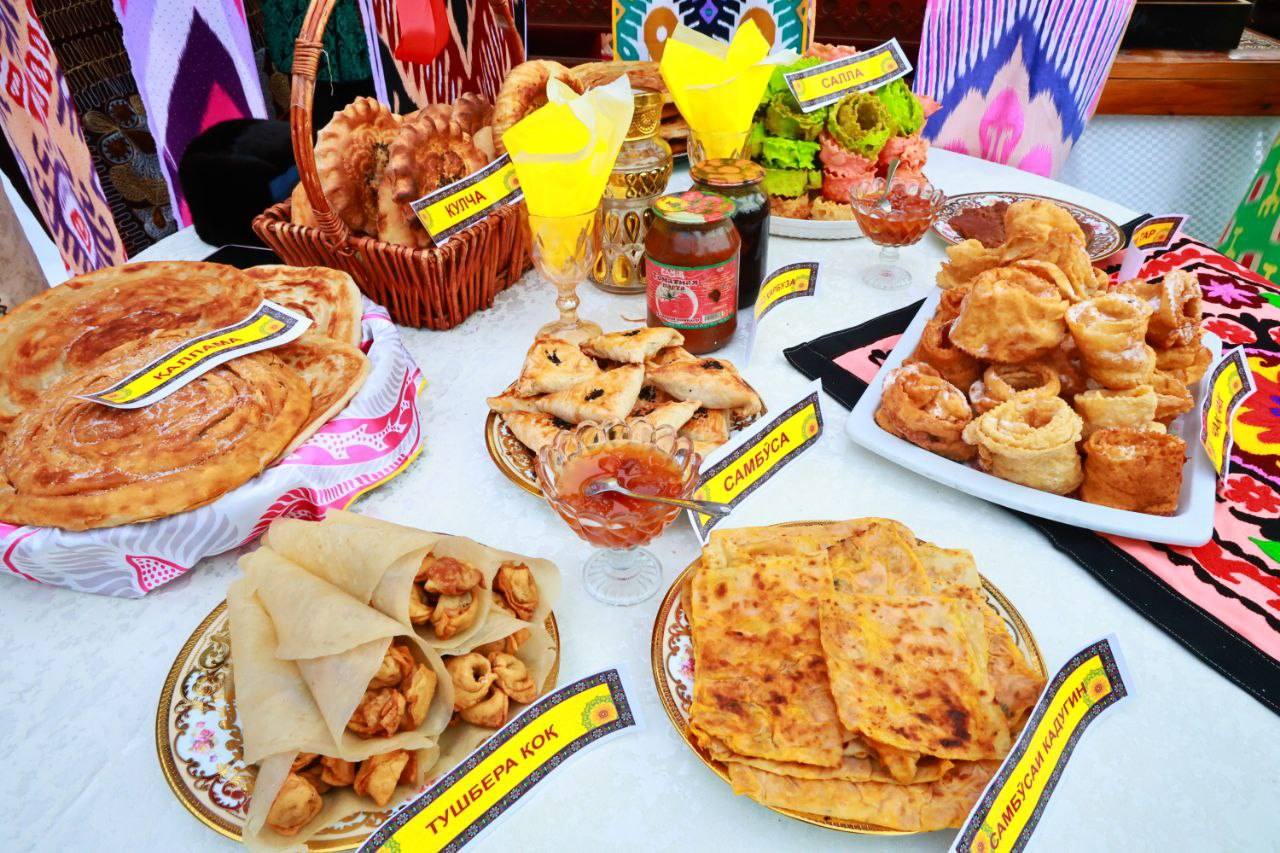
On January 29, 2026, a Garden celebration honoring ancestral traditions was held at the Kasri Madaniyati Arbob teahouse in the Bobojon Gafurov district of Sughd Region. The event featured a display of agricultural equipment, ornamental and fruit tree seedlings, vegetable and useful plant seeds, viticulture tools, grain seeds and sheaves, fresh agricultural produce, dried fruits, agricultural seeds, national dishes, confectionery, and national sweets. This was reported by the press service of the Sughd Region administration.
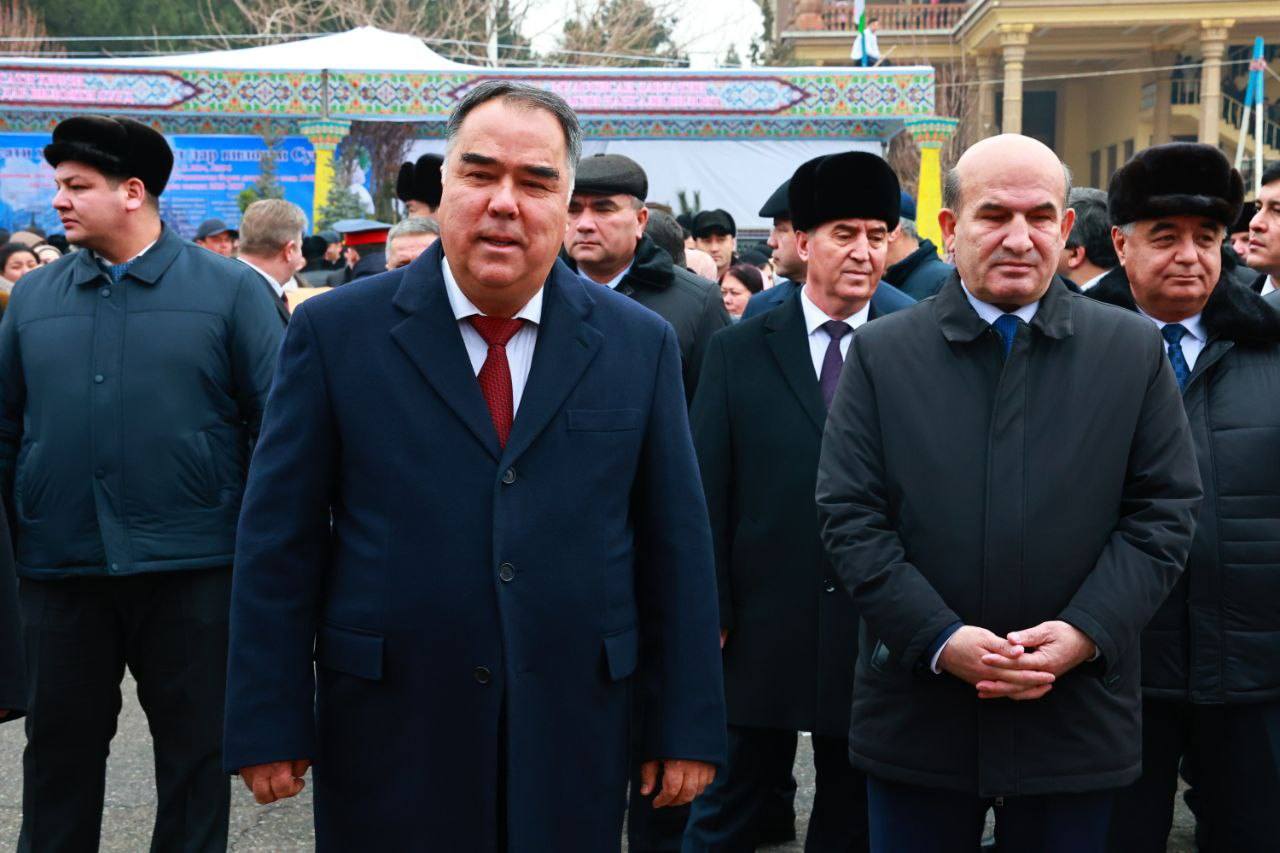
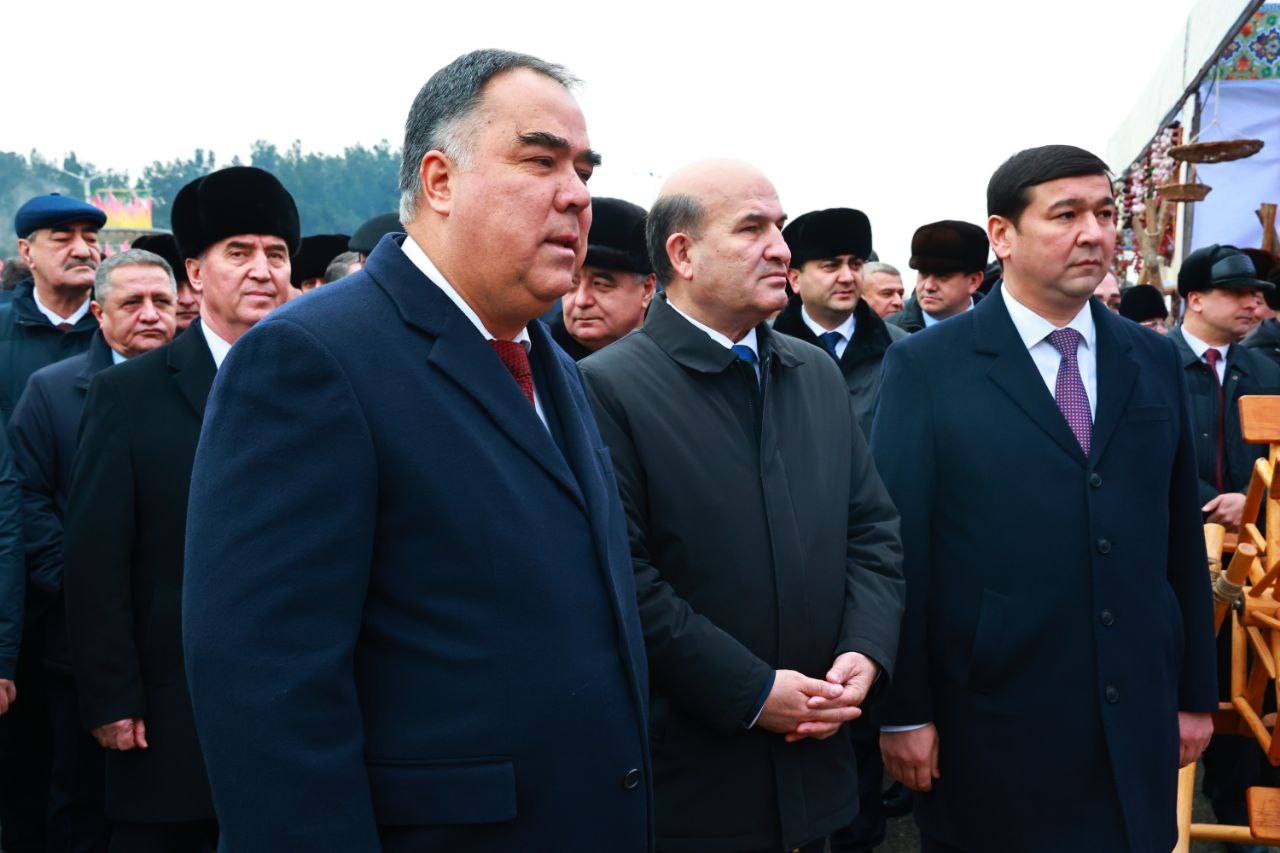
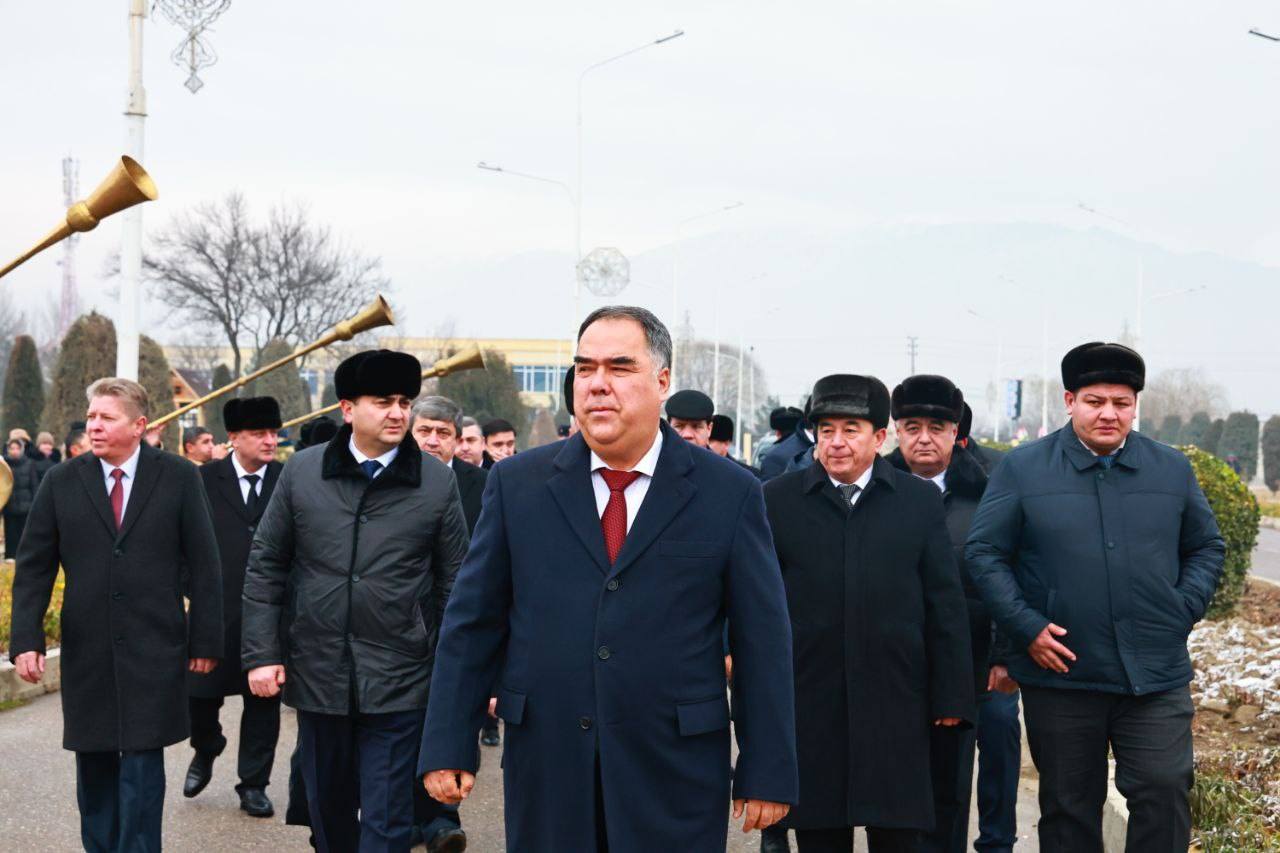
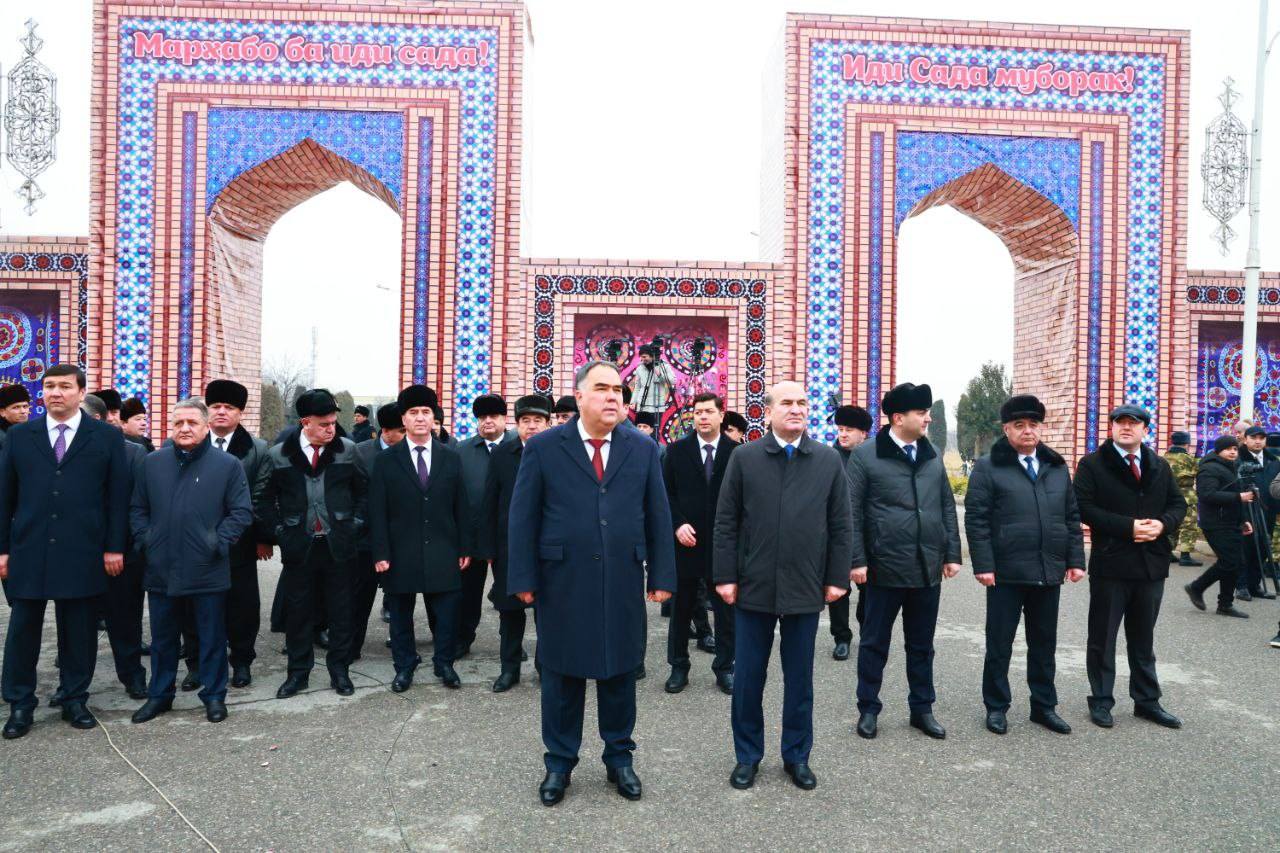
The celebration was attended by the head of the Sughd region, Rajab Akhmadzoda, the first deputy chairman of the People's Democratic Party of Tajikistan, Maliksho Nematzoda, heads of organizations, and other guests.
Rajab Akhmadzoda congratulated the region's residents on the upcoming Sada festival, noting that this holiday is one of the great traditions of Tajik ancestors. He emphasized that during the country's independence, Sada was revived through the efforts of President Emomali Rahmon. At the country's initiative, the holiday was inscribed on the Representative List of the Intangible Cultural Heritage of Humanity at the 18th session of the UNESCO Committee on December 6, 2023.
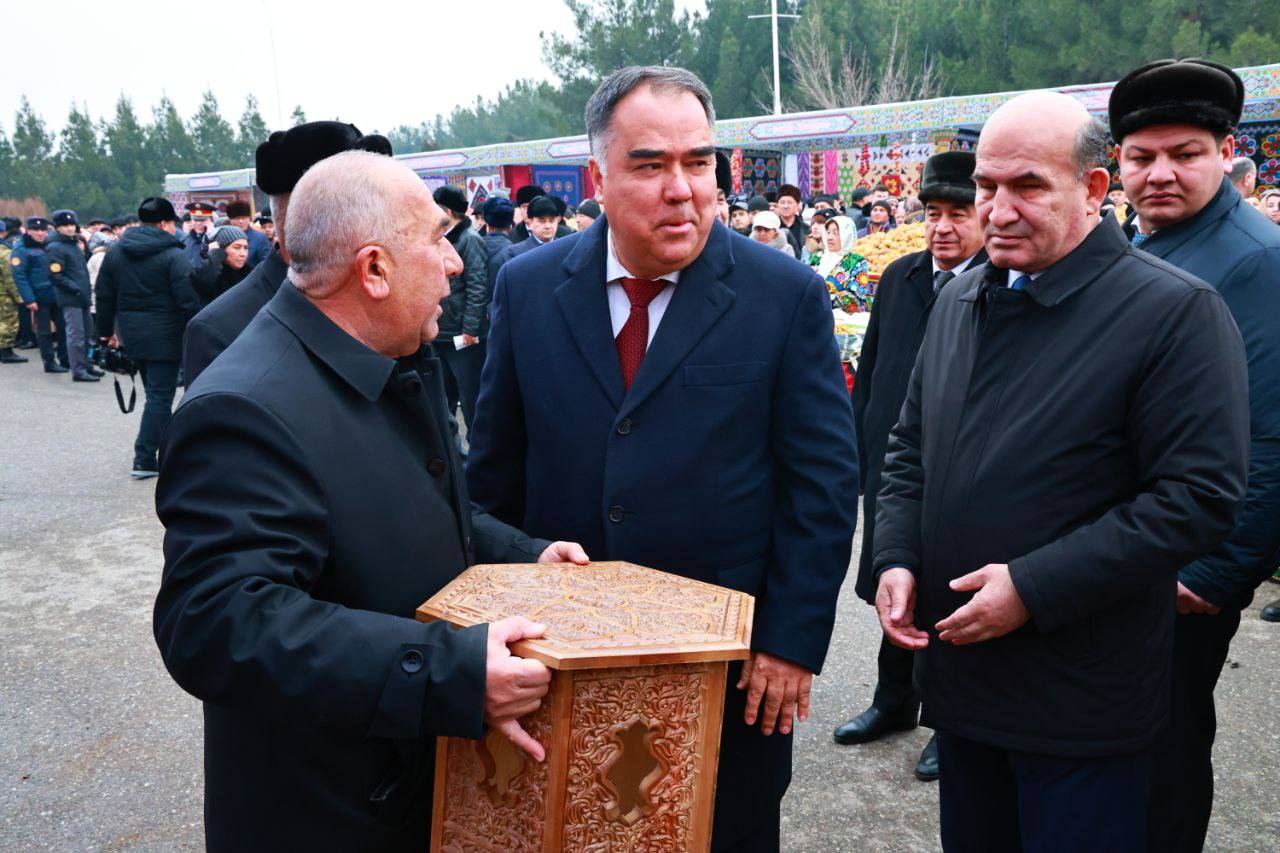
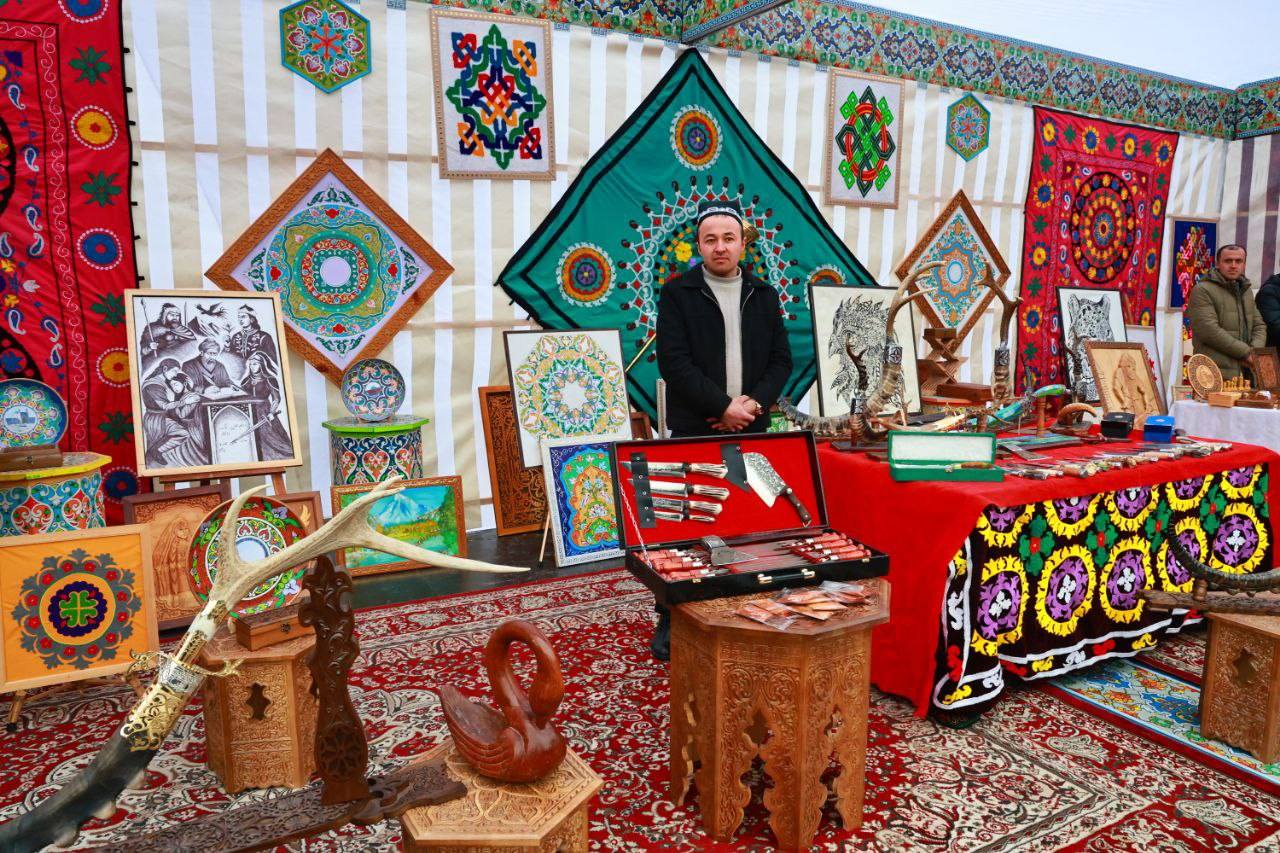
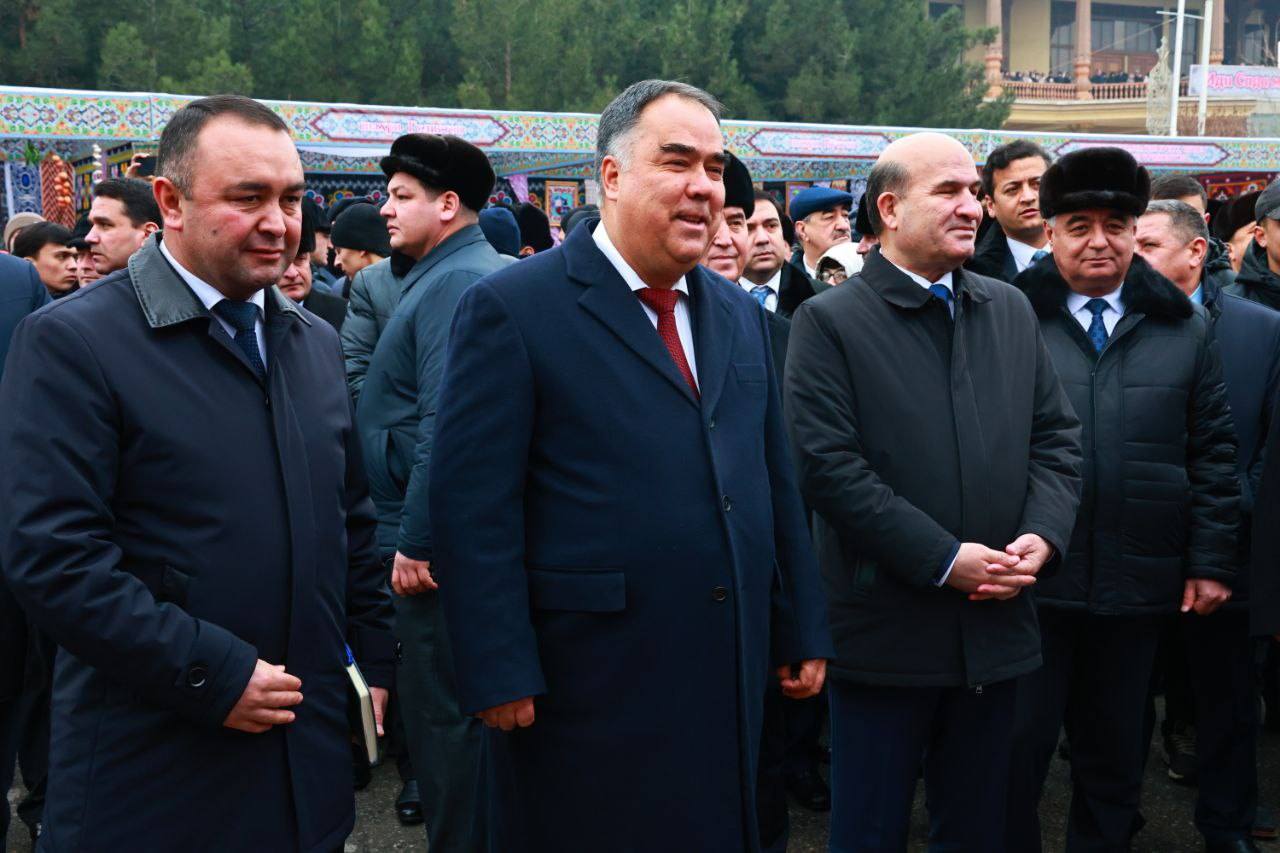
It was noted that the Sada festival has historically had a close connection with nature, agriculture, and the crafts of our ancestors, and as part of the spiritual culture of the Tajik people, it has played an important role in preserving national values, traditions, and customs over the centuries.
According to the traditional Tajik calendar, the Great Chilla—a 40-day period of winter—begins on December 22. Ancestors celebrated it as the arrival of the "Night of Chilla" or "Night of Yaldo," and after the end of the Great Chilla, which falls on January 30, they celebrated Sada. This rite symbolized the end of the cold period, the approach of spring, and the beginning of the sowing season. The main symbol of the holiday—fire—is not associated with Zoroastrian or other religious rites, but rather reflects a direct connection with nature and the victory of warmth and light over cold and darkness.
Scientific and cultural works by our ancestors, such as the works of Abulqasim Ferdowsi, Abu Bakr Narshahi, Abulfazl Bayhaqi, Abu Rayhon Beruni, and others, contain information about the essence of the Sada festival, which symbolizes the victory of light over darkness, warmth over cold, and good over evil. Throughout history, this day has been celebrated by lighting large bonfires and performing joyful rituals.
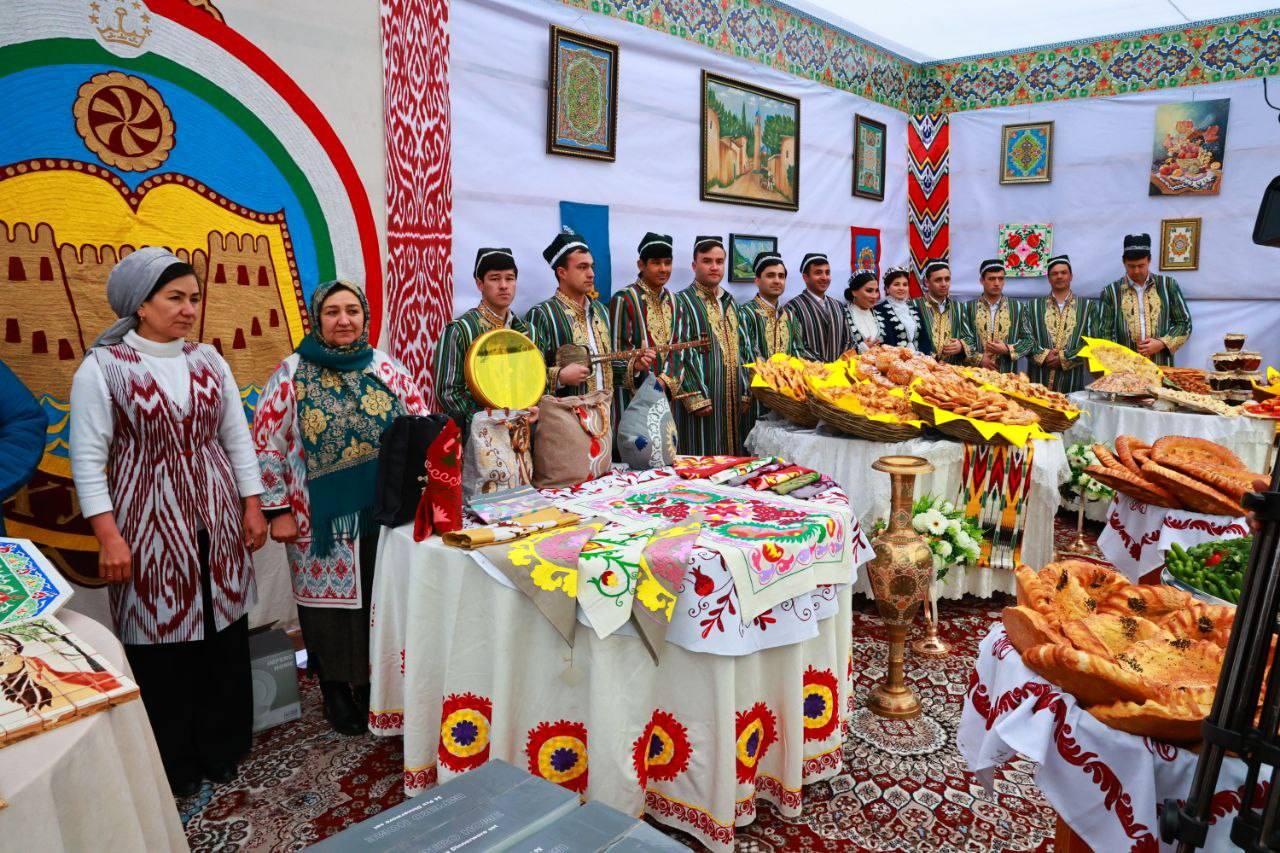
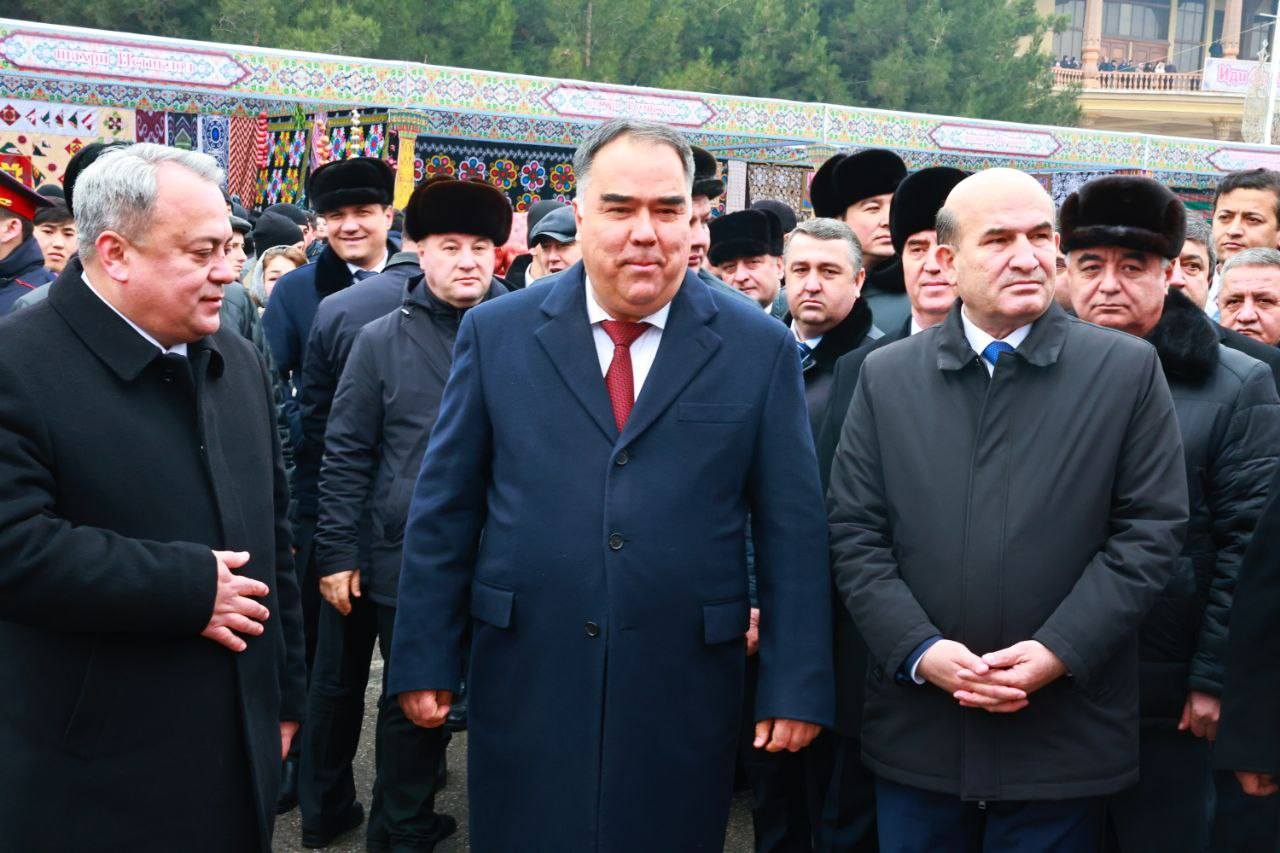
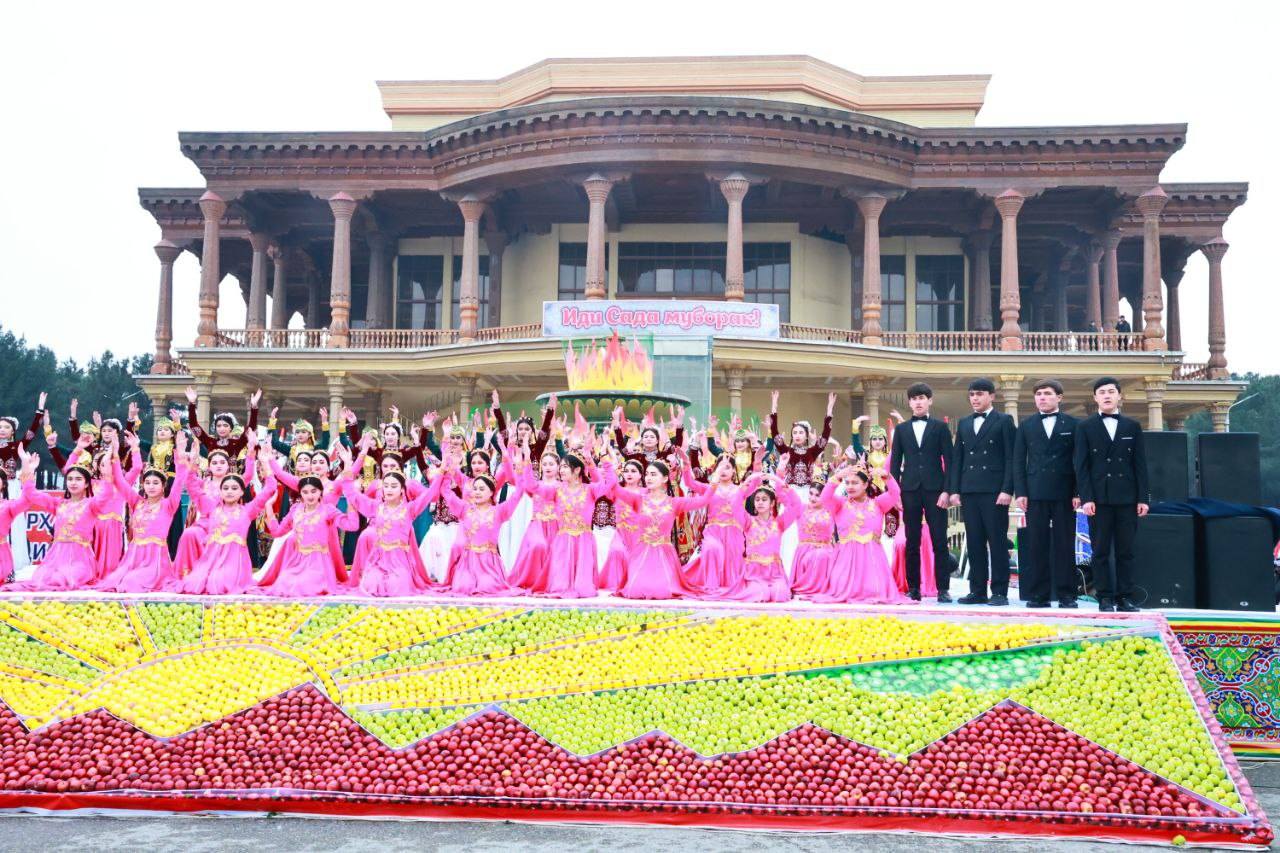
Sada is one of the holidays of Tajik ancestors, reflecting the most important moral and social events, natural events, the victory of light over darkness, and the beginning of the warm season. Despite historical challenges and various obstacles, Sada, like Navruz, Tirgon, and Mehrgon, has retained its creative and civilizational characteristics and has survived to this day.
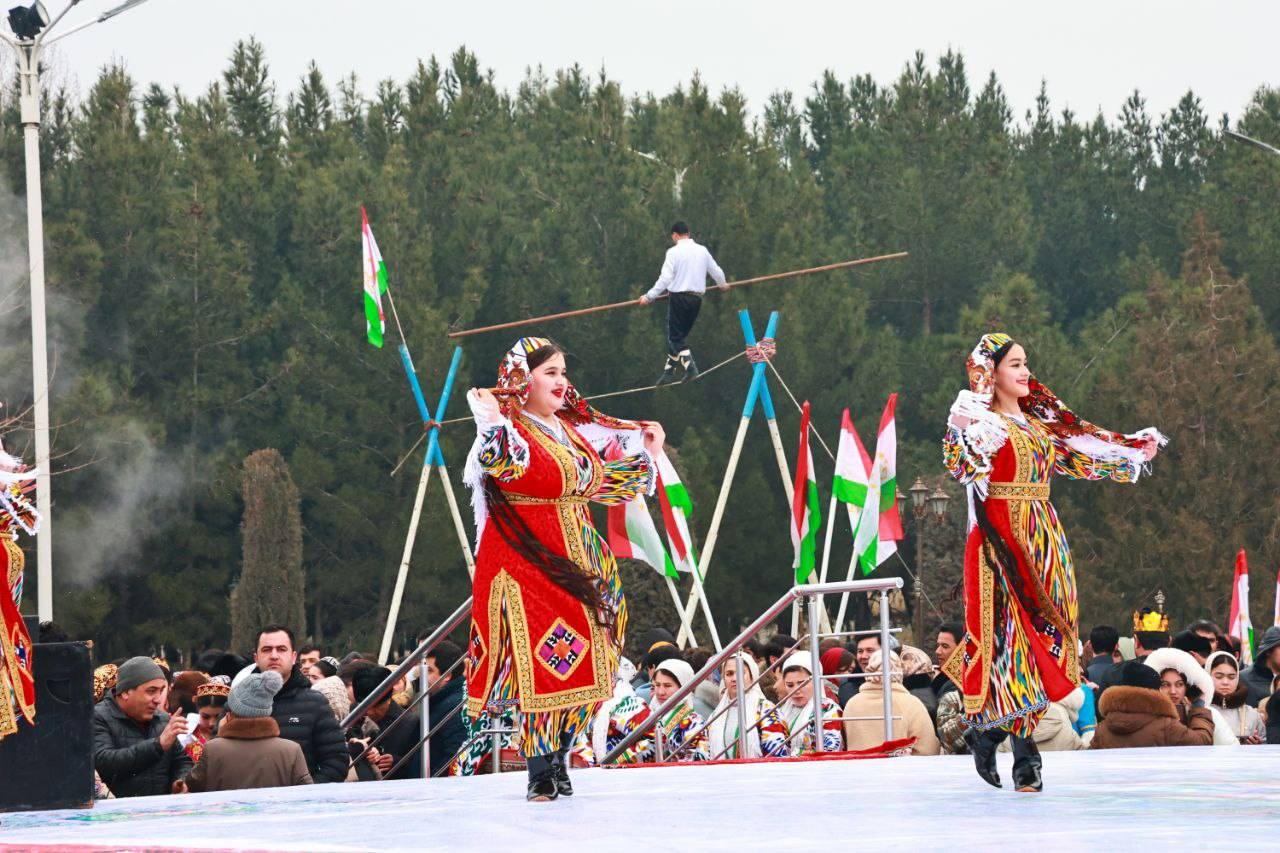
Over time, elements of national culture, such as singing, celebrations, sports and folk games, were incorporated into the celebration of the Garden, which gave the holiday the character of public joy and symbolized high human virtues.
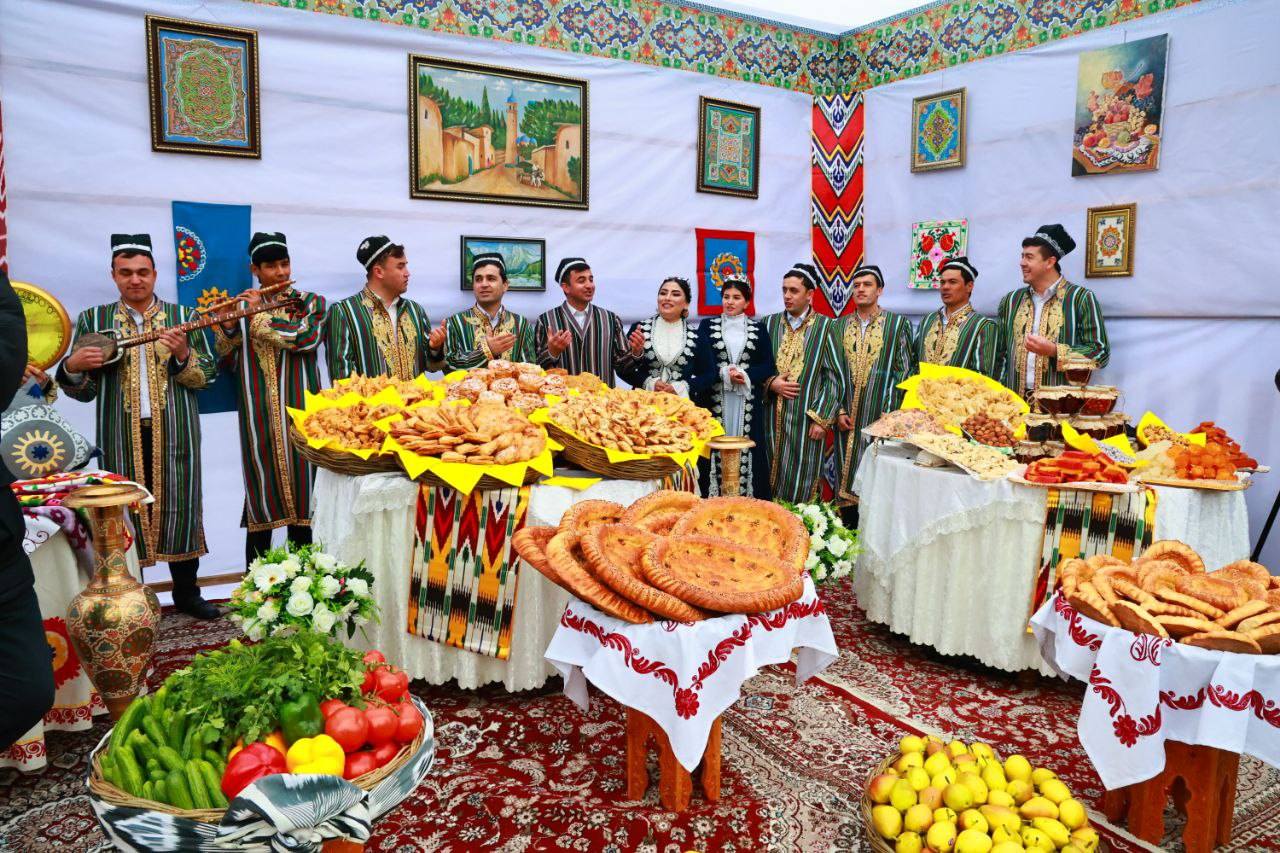
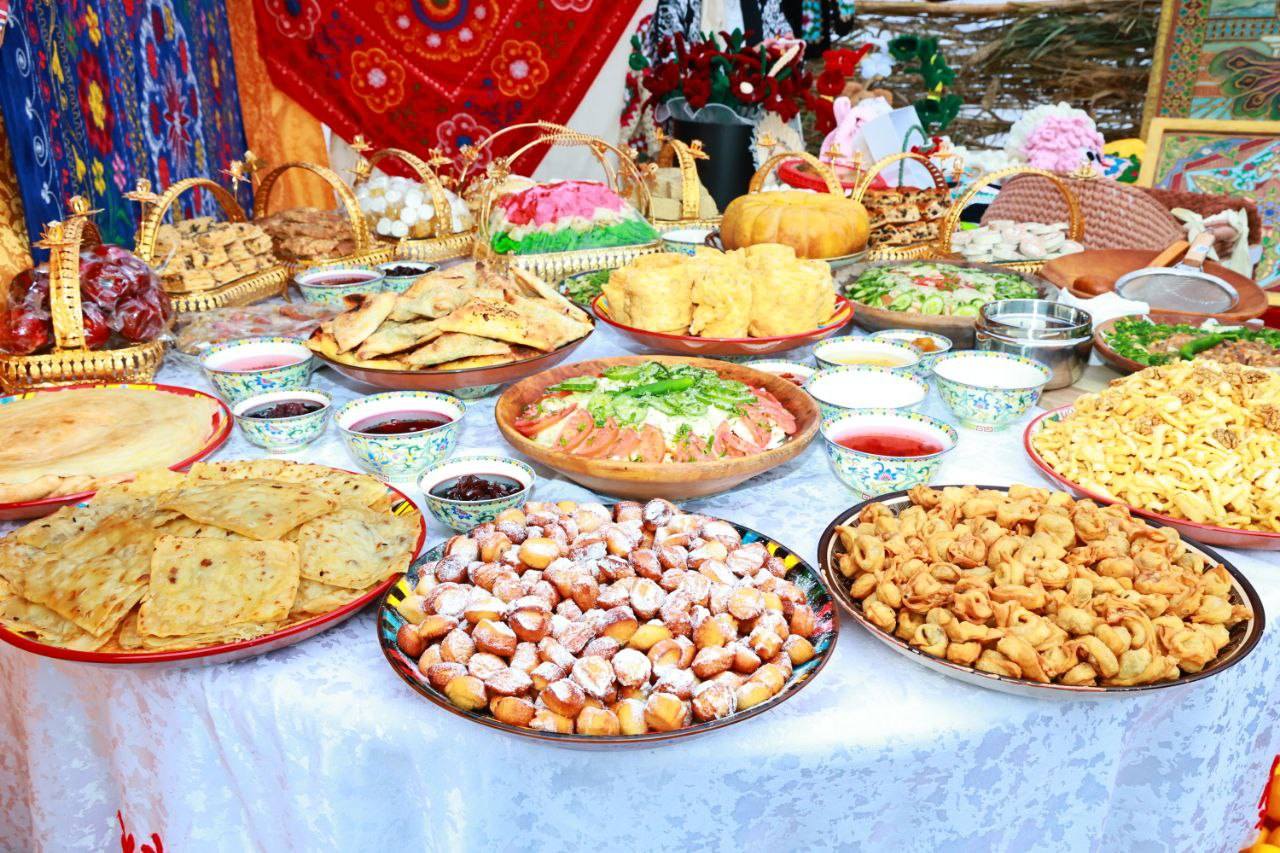
Moreover, the inclusion of certain agricultural rituals in the celebration, such as planting seedlings, cleaning yards and territories, and caring for the surrounding nature and streams, emphasized the practical side of the holiday and secured its status as a great agricultural holiday along with Navruz and Mehrgon.
Confidence was expressed that, in the run-up to the celebration of the 35th anniversary of the state independence of the Republic of Tajikistan, residents will act together and purposefully, with a high national spirit, gratitude, and pride for the country, culture, and great heritage of Tajiks, striving to make the Motherland—Tajikistan—even more prosperous and strengthen its prestige in the international arena.