Translated with AI
























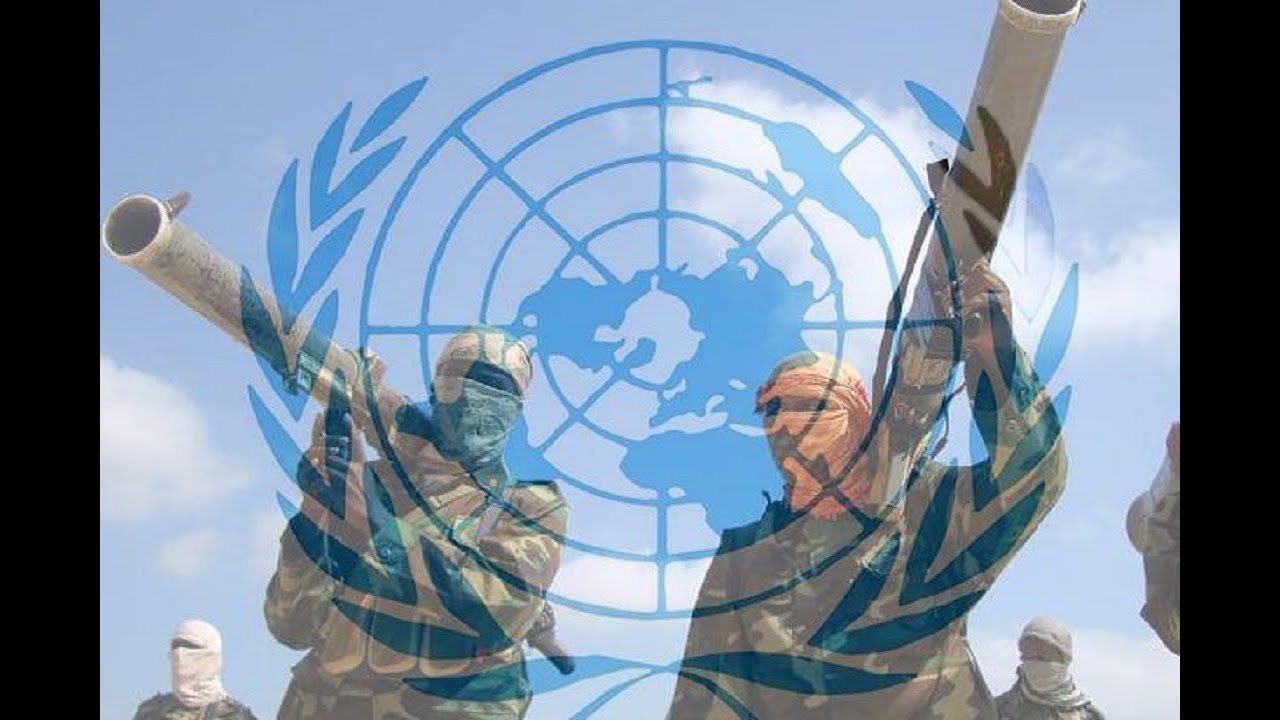
Transnational organized crime has become one of the most serious threats of the 21st century. It kills hundreds of thousands of people, undermines state institutions, destroys ecosystems, and robs communities of a sense of security and faith in the future, according to the UN press service.
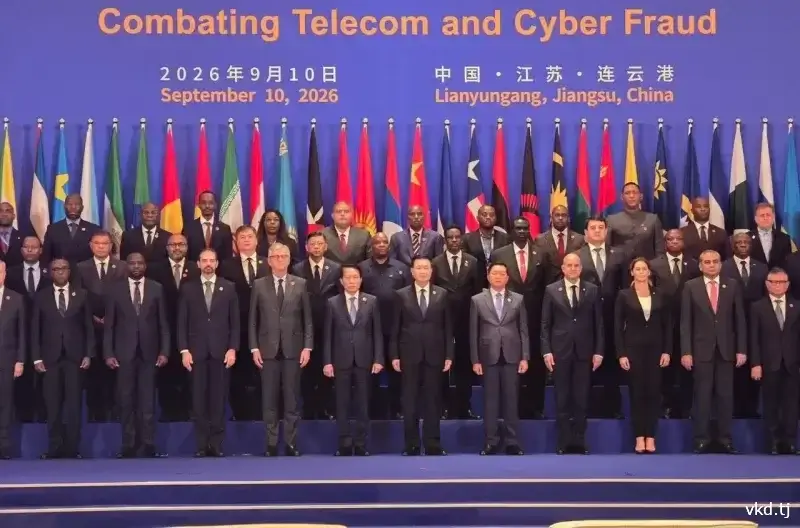
Today, criminal networks operate like well-organized corporations, and modern technology makes them even more stealthy and dangerous. The use of cryptocurrencies, anonymous companies, online platforms, and virtual assets allows them to move funds around the world in seconds.
Illegal trafficking in arms, drugs, rare species of animals and plants, cultural property, counterfeit medicines, human trafficking, migrant smuggling, money laundering, and obstruction of justice all undermine human well-being and economic development.
A global threat requires a global response.
In 2024, the UN General Assembly proclaimed November 15 as the International Day for the Prevention and Combating of All Forms of Transnational Organized Crime. This date is intended to highlight the need for international cooperation and draw attention to the scale of the threat.
Criminal groups have long since evolved beyond traditional mafia structures. They are now flexible networks operating across multiple jurisdictions. Victims, criminals, witnesses, and financial flows are spread across multiple countries, making international cooperation vital.
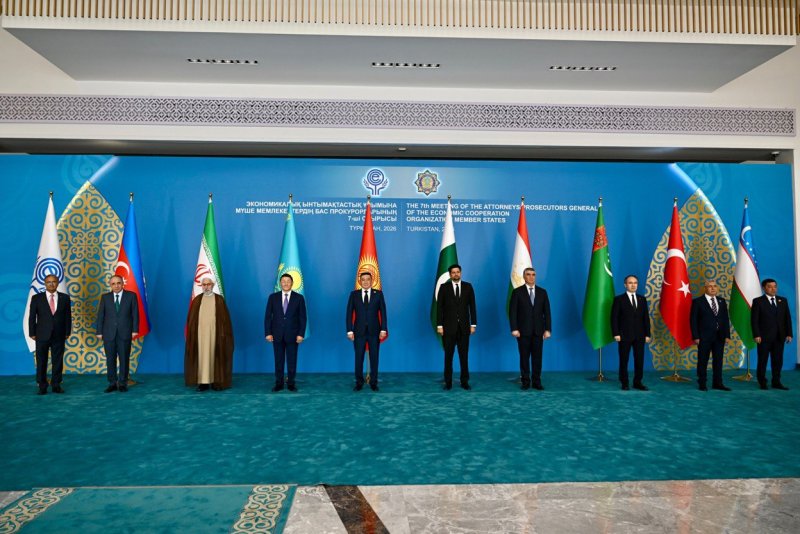
The UN Convention against Transnational Organized Crime remains the key document for this purpose. It covers all serious crimes of a transnational nature and is currently one of the most widely ratified international legal instruments.
The human price
According to the United Nations Office on Drugs and Crime (UNODC), approximately 22 percent of all intentional homicides worldwide—roughly 100,000 deaths per year—are linked to organized crime. But the damage doesn't end there.
Counterfeit medicines threaten the health of millions, illegal logging and mining destroy nature, river and soil pollution undermine food security, cyber fraud deprives people of their savings, and money laundering erodes trust in public institutions.
Blocking the channels of illegal income
The UNODC 2025 campaign focuses on the financial dimension of the problem. Transnational crime generates billions of dollars in illicit profits annually. These funds fuel human trafficking, drug trafficking, corruption, and armed conflict.
Modern technologies allow criminals to conceal the origin of funds, their final recipients, and their routes. Cryptocurrencies, shell companies, and complex cross-border transfer schemes make investigations increasingly challenging.
To effectively combat organized crime, the UN calls for:
Track illicit financial flows;
Destroy the financial structures of criminal groups;
Strengthen international data exchange and cooperation;
Modernize legislation in the area of control of virtual assets;
Increase the investigative capacity of law enforcement agencies;
Return stolen assets to affected states and communities.
Financial investigations can identify the leaders of criminal networks, expose links between various crimes, and deprive groups of their economic base.