Translated with AI

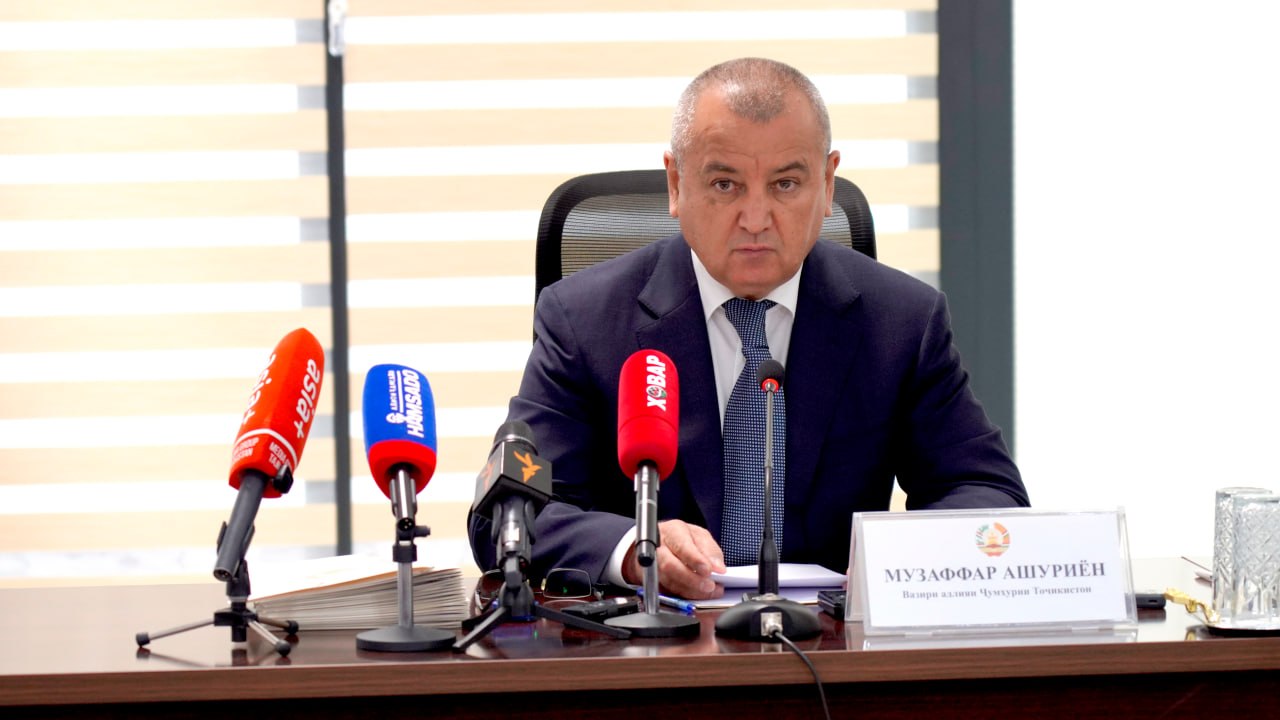
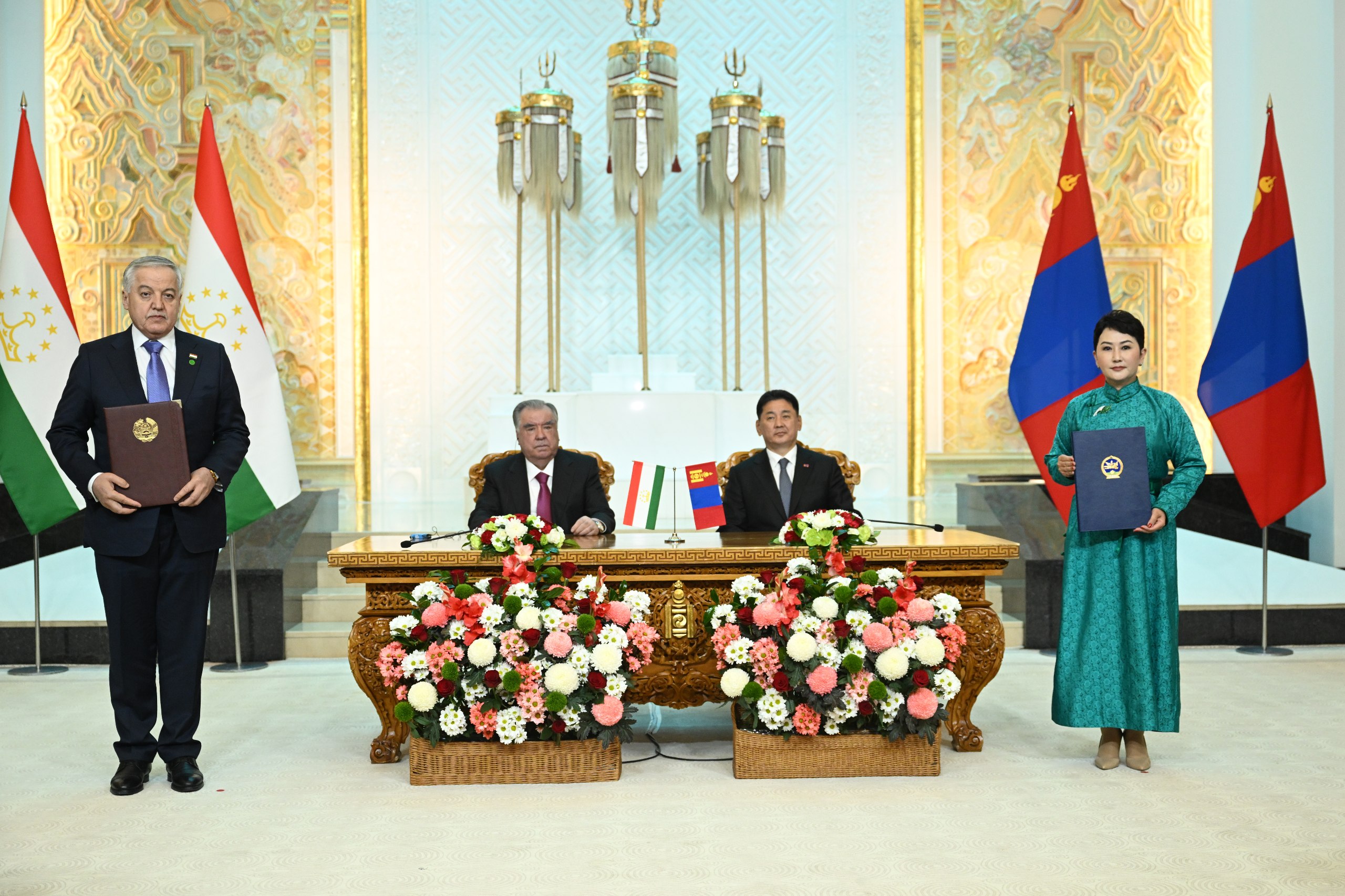








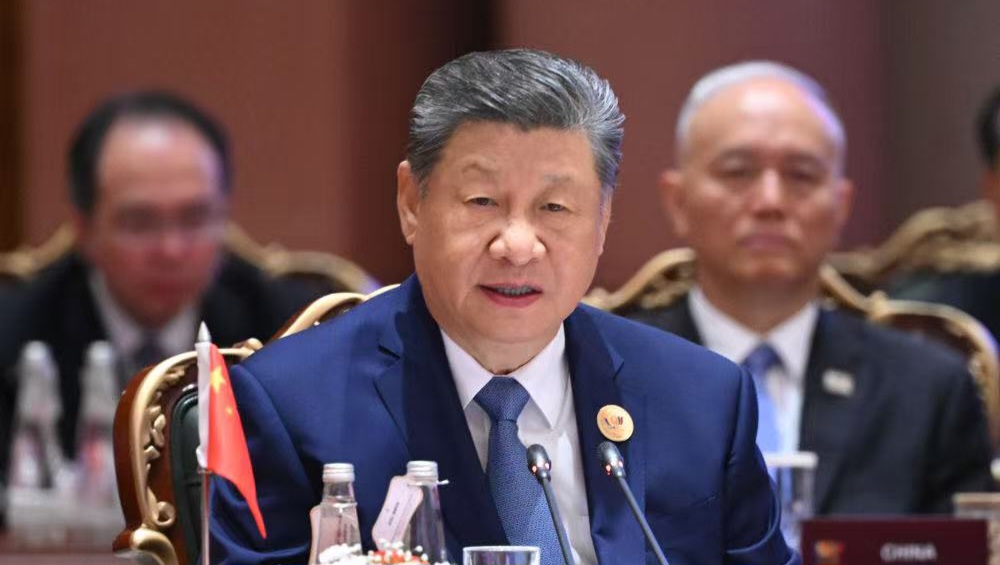





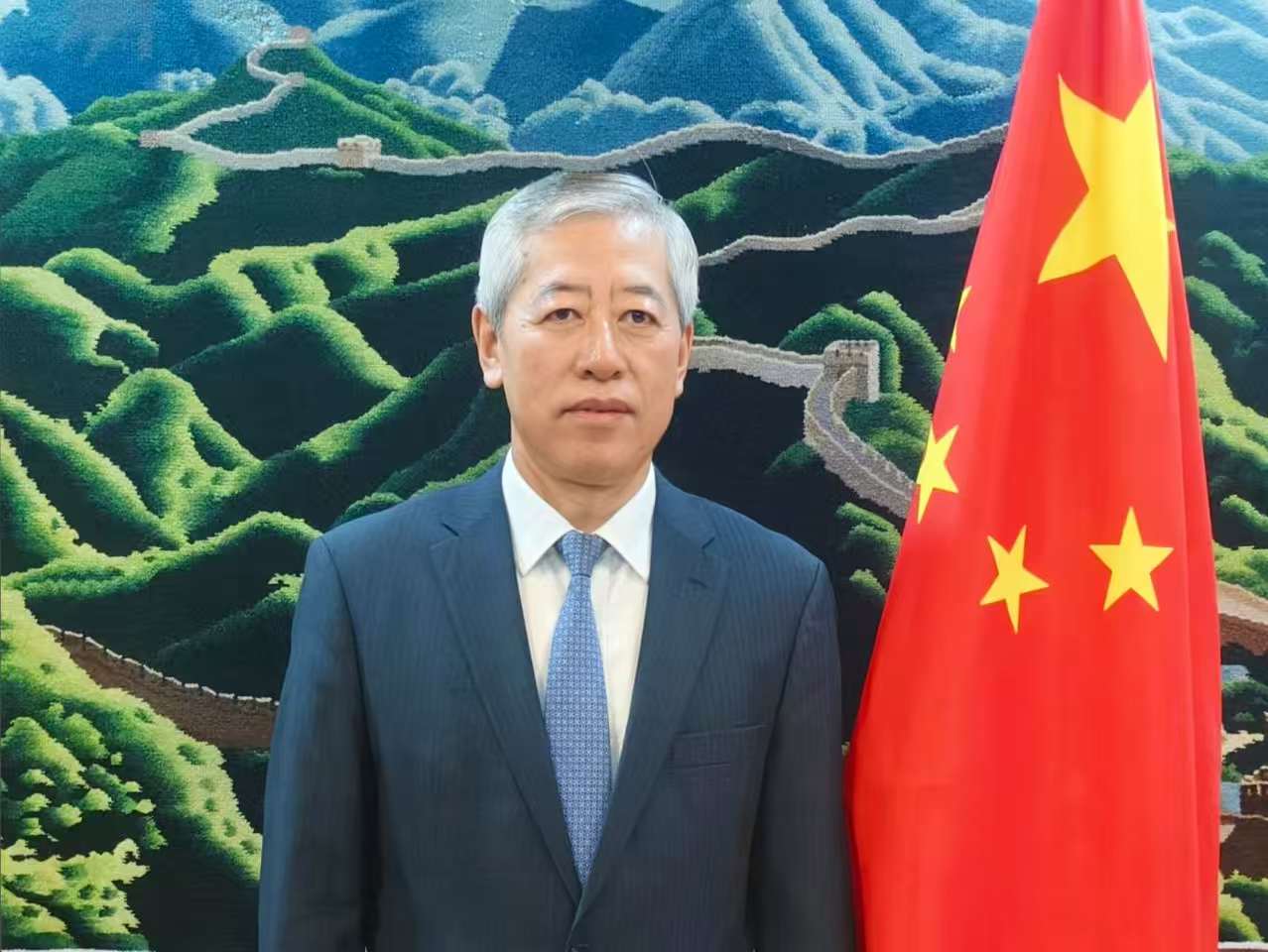
Ambassador Extraordinary and Plenipotentiary of the People's Republic of China to the Republic of Tajikistan Mr. Guo Zhijun recently gave an interview to the Avesta News Agency regarding UN General Assembly Resolution No. 2758.
Question: What is the content of UN General Assembly Resolution 2758 and what is its significance?
Guo Zhijun: At the 26th session of the UN General Assembly in 1971, Albania, Algeria, and 21 other countries proposed a resolution to restore the legitimate rights of the People's Republic of China in the UN and immediately expel representatives of the Chiang Kai-shek faction from all UN organs. The resolution was adopted by an overwhelming majority and became UN General Assembly Resolution 2758. This resolution fully and comprehensively resolved the issue of representation of all of China, including Taiwan, in the UN in political, legal, and procedural terms. It also clarified that the one-China principle is the prerequisite and foundation for the establishment and development of China's diplomatic relations with all countries, an insurmountable red line and criterion whose legitimacy, validity, and authority cannot be challenged.
Question: What is the relationship between UN General Assembly Resolution 2758 and the one-China principle generally adhered to by the international community?
Guo Zhijun: The one-China principle has three fundamental implications: there is only one China in the world; Taiwan is an inalienable part of Chinese territory; and the Government of the People's Republic of China is the sole legitimate government representing the whole of China. The one-China principle is the premise and foundation of UN General Assembly Resolution 2758, which also reaffirms and fully implements the one-China principle. This resolution has broad and authoritative legal force, providing the UN system and its agencies with an authoritative basis for properly handling the Taiwan issue. It has had a broad and far-reaching political impact on international relations, effectively promoting the one-China principle as a fundamental norm of international relations and the broad consensus of the international community. To date, 183 countries have established or are developing diplomatic relations with China based on the one-China principle.
Question: Recently, some countries have stated that UN General Assembly Resolution 2758 "has nothing to do with Taiwan." What is your opinion on this?
Guo Zhijun: Taiwan has been Chinese territory since ancient times. The Cairo Declaration of 1943 and the Potsdam Declaration of 1945 expressly provided for the return to China of Chinese territories stolen by Japan, including Taiwan and the Penghu Islands. On October 25, 1945, the Chinese government declared its "resumption of sovereignty over Taiwan." Based on these international legal documents, China legally and effectively reclaimed Taiwan. Taiwan has no other international legal status than that of China. The text and discussion of UN General Assembly Resolution 2758 demonstrate that both the recognition of representatives of the People's Republic of China and the expulsion of "representatives of Chiang Kai-shek" were carried out simultaneously within the framework of the one-China principle. Resolution 2758 completely excludes any possibility of creating "two Chinas" or "one China, one Taiwan." Currently, some forces, driven by a desire to "use Taiwan to contain China" and manipulate geopolitics, are claiming that the Resolution "has nothing to do with Taiwan." This is complete nonsense, an ulterior motive that reveals their hegemonic nature.
Question: In your opinion, would challenging UN General Assembly Resolution 2758 be a challenge to the international order that emerged after World War II and to the authority of the UN?
Guo Zhijun: The UN is the core of the post-war international order. The return of Taiwan to China is an integral part of victory in World War II and the post-war international order. The restoration of the People's Republic of China's rightful place in the UN marks the return of the Chinese people, representing a quarter of the world's population, to the UN arena. This has profound and far-reaching significance for both China and the world. Any attempt to challenge UN General Assembly Resolution 2758 not only challenges China's sovereignty and territorial integrity but also calls into question the authority of the UN itself. Some countries distort and challenge UN General Assembly Resolution 2758, reviving the false and absurd notion that "Taiwan's status is undetermined." This violates the fundamental principles of international relations, such as the sovereign equality of states and non-interference in internal affairs.
The fourth plenary session of the 20th Central Committee of the Communist Party of China (CPC Central Committee) was recently held in Beijing. The meeting emphasized that the entire Party and people of all ethnic groups in the country must unite to achieve the goals of the 15th Five-Year Plan, promote the peaceful development of cross-strait relations, and advance the great cause of national reunification. I would like to emphasize once again that Taiwan has never been a separate state. The issue of Taiwan's status was finally resolved in 1945 with the victory of the Chinese people in the War of Resistance Against Japanese Aggression. The historical trend that China will ultimately and inevitably achieve reunification is unstoppable. The victory achieved by the Chinese people, including our compatriots in Taiwan, in bloody battles and with enormous sacrifices cannot be undermined by false narratives.
Tajikistan has long maintained an objective and impartial position on the Taiwan issue, firmly adhering to the one-China principle and incorporating it into all bilateral political documents between our countries. The Tajik side has also resolutely supported the Chinese people's efforts to achieve national reunification in the international and multilateral arena, for which we highly appreciate. China stands ready to work with the international community, including Tajikistan, to jointly safeguard the achievements of victory in World War II and the post-war world order. Based on the purposes and principles of the UN Charter and implementing the concept of global governance based on joint consultation, joint development, and shared benefit, we will promote the construction of a more just and equitable system of global governance and work together to build a community with a shared future for mankind.