Translated with AI

































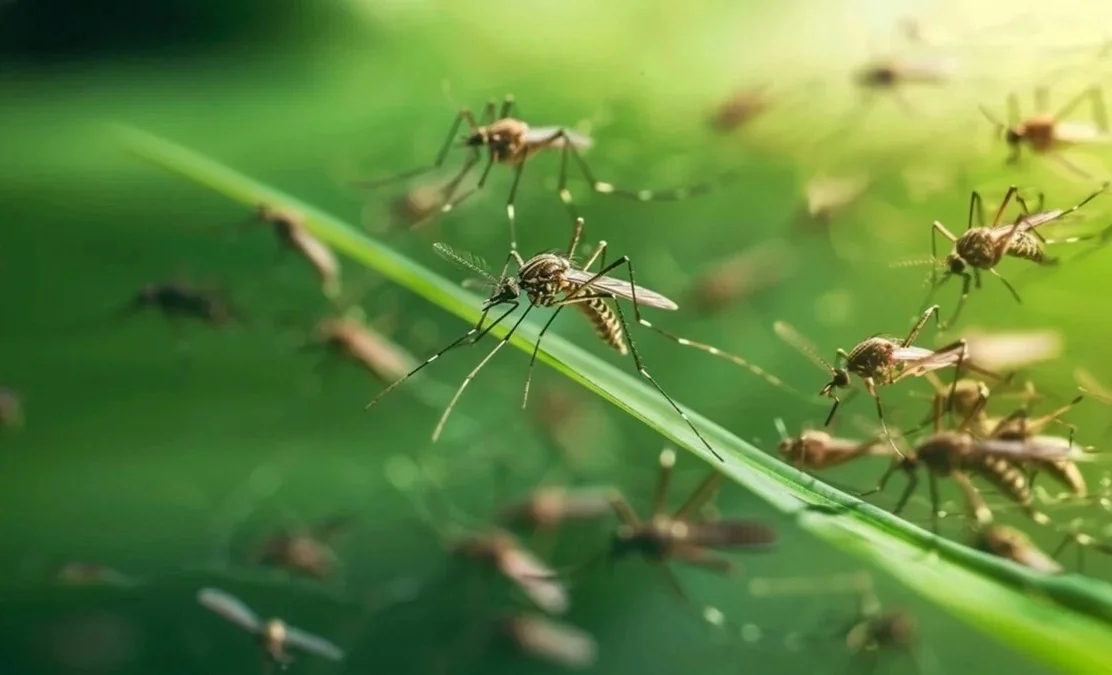
Following a record-breaking hot spring, mosquitoes were detected in Iceland for the first time. Previously, the country was one of only two places on Earth where these insects were absent, the other being Antarctica.
The mosquitoes were discovered by local amateur entomologist Björn Hjaltason in the glacial valley of Kjøs, southwest of Iceland's capital, Reykjavik. He observed the moths for several nights, baiting them with ropes soaked in red wine. On October 16, Hjaltason announced the discovery on social media, posting photos of the insects. He caught a female, a male the following day, and another female the day after that.
All three insects were sent for examination to entomologist Mattias Alfredsson from the Natural History Institute of Iceland, who confirmed that the mosquitoes belonged to the species Culiseta annulata – one of the few species that can successfully survive the cold winter conditions.
"I immediately realized I'd never seen anything like this before," Hjaltason told local media. He added that there may be more insects in the wild than the three individuals discovered.
As Alfredsson noted, the Culiseta annulata species is widespread in parts of Europe and North Africa, but how the mosquitoes arrived in Iceland remains unknown. Hjaltason suggested that the insects may have been accidentally introduced by container ships: the port of Grundartangi is approximately six kilometers from the site of the discovery.
The absence of mosquitoes in Iceland was previously attributed to the cold climate and lack of standing water, which is essential for breeding. However, in the spring of 2025, temperatures in the country reached record highs: the 20°C threshold, which typically lasts no more than two or three days, was exceeded for ten consecutive days. Egilsstaðir Airport recorded its hottest day on record: 26.6°C.
Scientists warn that such climate shifts could have significant impacts on ecosystems adapted to cold climates and facilitate the emergence of new insect species in regions where they were previously not found.